

Maddy summaryHB 4750 requires Michigan's foster care department to use or save existing benefits (such as Medicaid or education funds) for children in foster care when it serves their best interests, directly affecting all children in the state's foster care system. The bill amends Michigan's foster care law to mandate this approach, ensuring benefits are prioritized for the child's well-being rather than other uses. Key provisions include adding a new section (8f) to the existing law, directing the department to make decisions based on each child's specific needs. This policy change clarifies how resources must be managed without specifying new funding or programs.
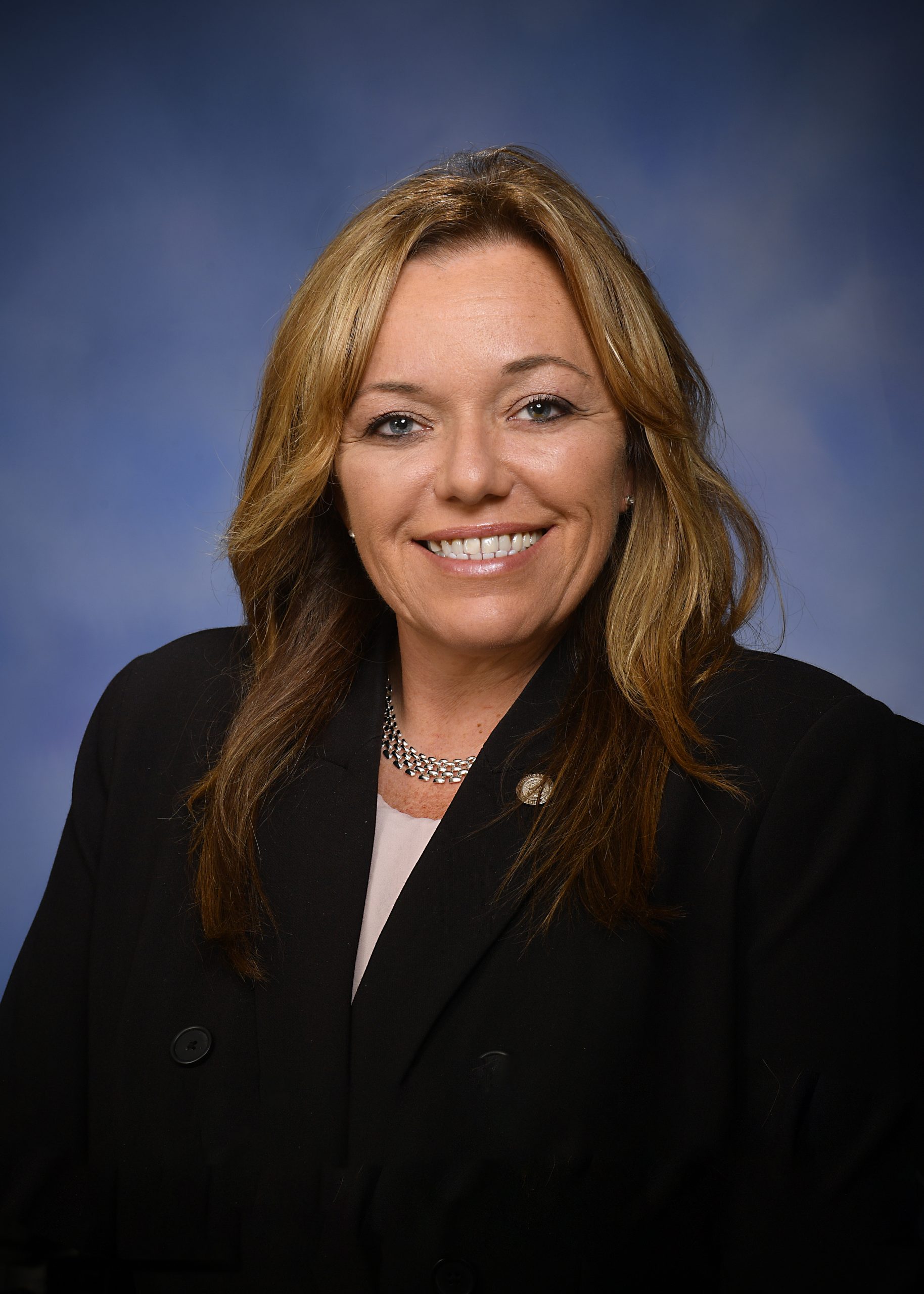
Rep. Jamie Thompson
Sponsored bills
Maddy summaryHB 4101 establishes Michigan's participation in the Physical Therapy Licensure Compact, enabling physical therapists licensed in Michigan to practice in other participating states without obtaining separate licenses. This directly affects physical therapists seeking to work across state lines, particularly those in states already part of the compact. The key mechanism is adopting a standardized licensing framework that allows reciprocal practice privileges among participating states. The bill amends Michigan's public health code to align with the compact's requirements, creating a streamlined process for interstate practice. It does not change existing licensure standards within Michigan but facilitates mobility for licensed physical therapists.
Maddy summaryHB 4350 amends Michigan's Natural Resources and Environmental Protection Act to allow individuals to feed wild birds and other wildlife under specific conditions. This bill permits such feeding if it occurs within 300 feet of a residence and the total amount of feed does not exceed two gallons. It clarifies that this allowance does not apply to activities like baiting for hunting, normal agricultural practices, or feeding conducted in a way that excludes deer and elk. This aims to create limited exceptions for recreational or preventative feeding of wildlife by residents.
Maddy summaryHB 4824 updates Michigan's legal definition of "brand" within liquor regulations. This change directly affects liquor producers and sellers who market products under specific brand names, clarifying how brands are recognized under state law. The bill modifies Section 105 of the 1998 Liquor Code (MCL 436.1105) and adds a new Section 604 to establish clearer rules for brand identification. These changes aim to streamline compliance for businesses without altering existing licensing or sales requirements.
Maddy summaryHB 4187 modifies Michigan's corporate income tax law by adjusting how the tax base is calculated and clarifying revenue distribution. It requires corporations to add back certain taxes and expenses previously deducted for federal purposes (like state taxes or related-party royalties) and eliminates deductions for oil/gas and mineral-related income and expenses. For the 2021-2022 fiscal year, the bill directs $800 million of corporate tax revenue to the Michigan taxpayer rebate fund, while other years’ revenue flows to the general fund. This directly affects corporations operating in Michigan and the state’s budget allocation process.
Maddy summaryHB 5249 creates a new "adaptive care license" for ambulance operations currently licensed only for basic life support (BLS). It allows these operations to gradually upgrade to provide limited advanced life support (ALS) or advanced life support (ALS) services, provided they demonstrate staffing and equipment readiness for higher care levels by January 1, 2025. The license requires annual documentation of progress toward this upgrade, including training and equipment plans, and must be renewed annually alongside the operation's regular license. This applies specifically to ambulance services owned or contracted by local governments that previously provided only BLS for emergency response.
Maddy summaryThis bill creates a state income tax credit for advanced practice registered nurses who serve as preceptors for nursing student clinical rotations in Michigan. Eligible nurses can claim up to $1,500 annually, calculated at $500 for every 250 hours of supervision provided, provided they do not receive separate payment for these duties. To receive the credit, nurses must submit a written statement and documentation verifying their hours to the state tax department. The legislation also requires the state to report annually on the number of claims and total credits issued to assess the program's effectiveness.
Maddy summaryThis bill updates Michigan's civil procedure laws to clarify how much of a person's wages can be taken by creditors through garnishment. It specifically protects certain types of income from being garnished, including public assistance benefits, unemployment compensation, disability payments, and both federal and state earned income tax credits. Additionally, the legislation sets new limits on how much of a weekly paycheck can be seized, capping the amount at 20% of earnings up to a specific threshold and 30% of earnings above that threshold. These changes directly affect individuals whose wages are subject to garnishment and the creditors seeking to collect debts from them.
Maddy summaryThis bill allows licensed practical nurses in Michigan to perform specific intravenous therapy procedures under certain conditions. To qualify, a nurse must complete a board-approved course of at least 20 hours and work under the supervision of a registered nurse, physician, or dentist. The permitted tasks include inserting peripheral IV lines in the hand, forearm, or antecubital area, starting and maintaining fluid infusions, administering IV antibiotics, and monitoring IV sites for complications. However, the law explicitly prohibits licensed practical nurses from handling central lines, blood products, chemotherapy, or total parenteral nutrition.
Maddy summaryHB 4703 requires health insurers in Michigan to cover group prenatal care services for policyholders. This directly affects health insurers offering coverage in the state and pregnant individuals seeking prenatal care. The bill defines "group prenatal care services" as evidence-based, group-based visits that include health assessments, social support, education, and peer interaction in a family-centered setting. Insurers must now provide this coverage for group prenatal care under their health insurance policies.