

Maddy summaryHouse Bill 4381 prohibits electric and natural gas utilities, along with individuals and entities closely associated with them ("covered persons"), from making donations or contributions to specific political organizations. These prohibited recipients include 501(c)(4) and 527 organizations that are controlled by or employ state officials, candidates, or their affiliates, as well as various candidate and political party committees. The bill requires utilities to attest to their compliance in general rate case applications. Violations can result in civil fines ranging from 5 to 10 times the amount of the unlawful contribution, and potentially additional penalties for utilities, such as the denial of rate increase requests.
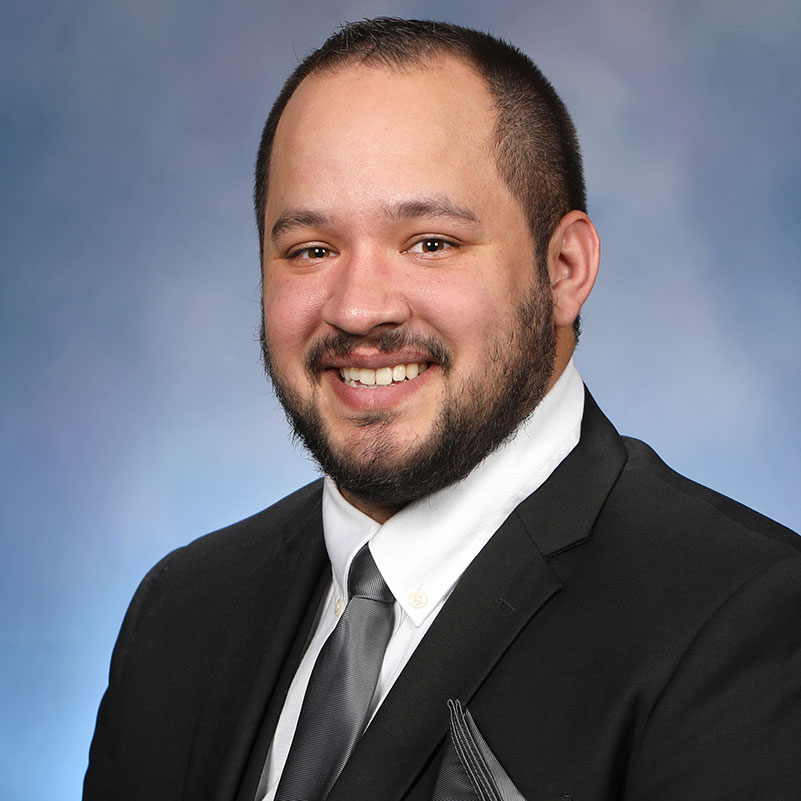
Rep. Dylan Wegela
Sponsored bills
Maddy summaryHouse Resolution 71 declares April 28, 2025, as Workers Memorial Day in the state of Michigan. This resolution honors Michigan workers who have been injured, disabled, or died due to workplace accidents.
Maddy summaryHouse Bill 4357 amends Michigan's election law concerning township officers. The bill modifies the official start date for the terms of office for these elected officials. Specifically, for township officers elected after December 31, 2024, their terms will commence at 12 noon on December 1 following their election, rather than the current November 20 start date. This change affects township officers and the administrative timing of their transition into office.
Maddy summaryHB 4360 modifies the start dates for terms of office for elected officials in Michigan's home rule villages. For village officers elected after December 31, 2024, their terms will begin at 12 noon on December 1 following their election, overriding any conflicting village charter provisions. The bill also specifies that individuals elected to fill a vacancy cannot take the oath of office until the election results have been certified.
Maddy summaryHouse Bill 4329, titled the "medical debt act," aims to regulate how medical debt information is handled for Michigan residents. The bill prohibits consumer reporting agencies from including adverse medical debt information in consumer reports, with an exception for large credit transactions exceeding a specified principal amount. It also requires collection agencies to avoid misrepresenting that medical debt will be reported and to include a specific disclosure statement about these reporting limitations in their initial communications. Individuals can bring a civil action to seek remedies for alleged violations of the act.
Maddy summaryHB 4325 proposes to adjust and supplement state appropriations for various state departments and agencies for the fiscal year ending September 30, 2025. A key provision within this bill is to provide specific funding for the purpose of marketing the attorney general's payroll fraud division. The bill also establishes conditions on how these appropriations can be used and spent.
Maddy summaryHouse Bill 4318 increases the penalties for employers who intentionally fail to pay wages and fringe benefits owed to their employees. It establishes a tiered system where the severity of the punishment depends on the total value of the unpaid wages and benefits. For smaller amounts, employers could face misdemeanor charges with fines and imprisonment. However, for larger unpaid amounts or repeat offenses, employers could face felony charges, with significantly higher fines up to three times the unpaid amount and potential imprisonment for up to 20 years. This bill directly affects employers and their employees and will take effect 90 days after enactment.
Maddy summaryHB 4319 proposes to amend Michigan's code of criminal procedure. The bill aims to establish new sentencing guidelines specifically for violations related to the payment of wages and fringe benefits. If enacted, this would provide courts with specific guidance when sentencing individuals or entities found guilty of these types of offenses. The bill is tied to HB 4318'25, indicating it is part of a broader legislative package.
Maddy summaryHB 4320 amends Michigan's Improved Workforce Opportunity Wage Act, which addresses employee hours and wages. The bill primarily affects employees who file claims alleging wage violations and the state agency responsible for investigating these claims. It adds a new provision stating that if an employee requests it, the state director (or their designee) investigating a wage claim must not disclose the employee's identity to the employer, to the extent allowed by law. This aims to protect the anonymity of employees reporting potential wage violations.
Maddy summaryHouse Bill 4321 proposes an amendment to the existing law governing the payment of wages and fringe benefits to employees. This bill introduces a new provision that allows employees to request that their identity be withheld from their employer when filing a complaint about alleged wage or benefit violations. If such a request is made, the Department of Labor is prohibited from disclosing the employee's identity to the employer, to the extent allowed by law. This change directly affects employees who file complaints by offering them potential anonymity, and employers who will receive complaints without knowing the specific employee's identity if requested.