

Maddy summaryThis bill updates the definition of the "internal revenue code" within Michigan's ABLE savings program to ensure it references the correct version of federal tax law. By specifying that the code is the United States Internal Revenue Code of 1986 as of January 1, 2024, or the version in effect for the current year, the legislation clarifies which federal rules apply to the program. This change directly affects individuals who use ABLE accounts to save for disability-related expenses, ensuring their accounts align with current federal tax definitions. The update helps maintain consistency between state and federal regulations governing these savings plans.
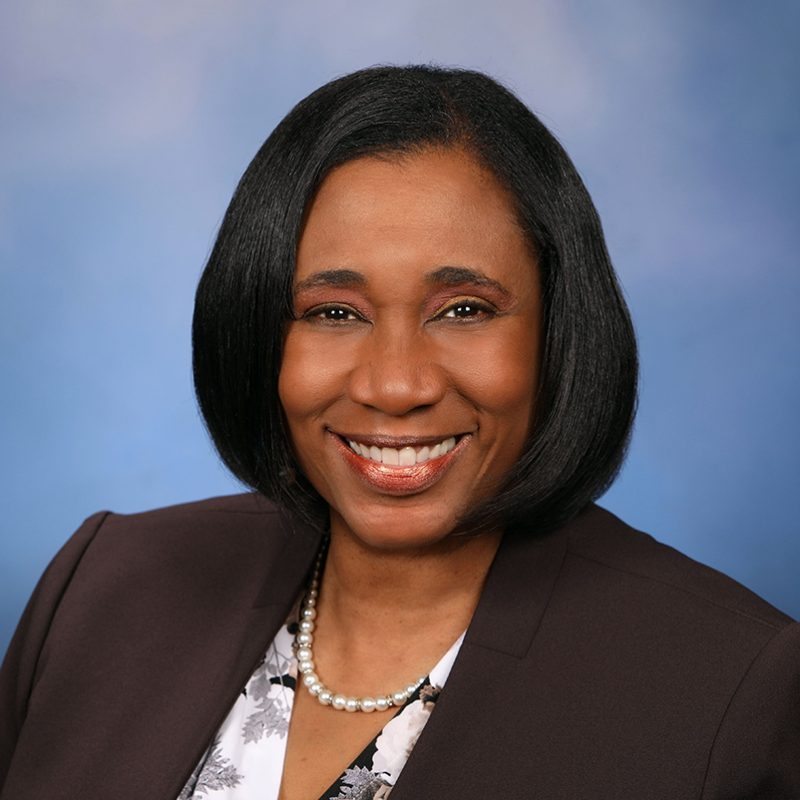
Rep. Stephanie Young
Sponsored bills
Maddy summaryThis bill requires the state to create a program that offers extra reimbursement to public ground emergency medical transportation providers serving Medicaid recipients. To qualify, providers must be owned or operated by a government entity, such as a city, county, or fire authority, and be enrolled as Medicaid providers. The additional payments are calculated based on federal funding rules and are capped so that total reimbursement does not exceed the actual cost of the services provided. Participation in this supplemental reimbursement program is voluntary for eligible providers.
Maddy summaryThis bill modifies the Michigan State Housing Development Authority by removing the requirement for a resident member to have voting rights on the board. The resident member, who must be an adult living in federally assisted housing, can now attend meetings and provide input but cannot vote on any matters. This change ensures that while the perspective of a housing recipient is represented on the authority, all official decisions are made by the appointed officials. The amendment applies to the authority's governance structure and does not alter the funding or operational powers of the agency.
Maddy summaryThis bill requires public and nonpublic schools in Michigan to adopt and implement a standardized plan for response terminology starting in the 2026-2027 school year. The law mandates that school boards and directors use consistent language when communicating about safety incidents to ensure clarity across the education system. However, the bill does not take effect unless it is passed together with a companion bill, HB 4096.
Maddy summaryThis bill would have changed the deadlines for filing petitions to place constitutional amendments, new laws, or laws to be repealed on the ballot. It requires petitioners to submit their signatures 160 days before an election for amendments and 200 days before an election for new laws, while also setting a filing limit for repeal petitions. Additionally, the bill would have required petitioners to sort signatures by congressional district and provide a written estimate of how many signatures come from each district. Because the bill was vetoed by the Governor, these changes were not enacted into law.
Maddy summaryThis bill amends Michigan's medical assistance program to require coverage for mental health screenings during the postpartum period for eligible individuals. It directly affects pregnant and postpartum people receiving state-funded healthcare by ensuring their mental health needs are addressed as part of their medical services. The key provision mandates that the state pay for these screenings under the existing medical assistance plan, aligning with federal standards for reasonable charges. This change expands the scope of covered services without altering the broader structure of hospital, nursing home, or pharmaceutical benefits already available under the law.
Maddy summaryThis bill modifies the Michigan Energy Assistance Program to ensure low-income households receive financial help with energy bills. It mandates that the state department simplify the application process into a single form and requires assistance to prioritize vulnerable populations. The law also directs providers to offer services that help participants budget for energy costs and connect them with weatherization programs to reduce energy waste. Additionally, the bill updates reporting requirements, shifting the deadline for annual program distribution reports to March 1, 2027.
Maddy summaryThis bill updates Michigan's drainage laws to increase the annual spending limits for inspecting and repairing county and intercounty drains. It allows officials to spend up to $10,000 per mile of drain each year without needing a special vote from local governments, with this amount automatically adjusted annually for inflation. If repair costs exceed this limit, the bill requires approval from the affected local townships or cities before additional funds can be used. The legislation also clarifies how surplus funds are managed and ensures that property owners are notified before assessments are levied for major repairs.
Maddy summaryThis bill creates the Michigan Sentencing Commission within the state legislative council to provide oversight and recommendations on criminal sentencing policies. The commission will consist of 15 members representing diverse perspectives, including legislators, judges, law enforcement, prosecutors, defense attorneys, victims' advocates, formerly incarcerated individuals, and mental health professionals. Members are appointed by legislative leaders and the governor, with specific terms ranging from two to four years, and the chairperson must have a professional background in criminal law. The legislation also establishes rules for filling vacancies and requires certain members to declare their political affiliation or lack thereof.
Maddy summaryThis bill requires health insurance companies in Michigan to cover specific hormonal contraceptives, such as patches, self-administered methods, and vaginal rings, when they are prescribed and dispensed by a pharmacist at a network pharmacy. The law mandates that this coverage must include any necessary consultation services and must be consistent with how other prescription drugs are covered under the policy. It applies to insurance policies issued or renewed after December 31, 2025, but will not take effect unless a companion bill is also passed into law.