

Maddy summaryThis bill establishes the "Protection from Intimate Deep Fakes Act" to provide legal remedies for individuals harmed by nonconsensual deep fake images depicting sexual conduct. It allows victims to file civil lawsuits against anyone who creates or shares these realistic but fake videos, provided the creator knew or should have known the content would cause harm and was made using artificial technology rather than physical impersonation. The law defines specific protections for identifiable individuals and clarifies that consent is not a valid defense unless it is documented in a clear, signed agreement describing exactly what the fake image entails. Additionally, the legislation sets rules for where lawsuits can be filed and ensures that plaintiffs can use pseudonyms to protect their privacy during legal proceedings.
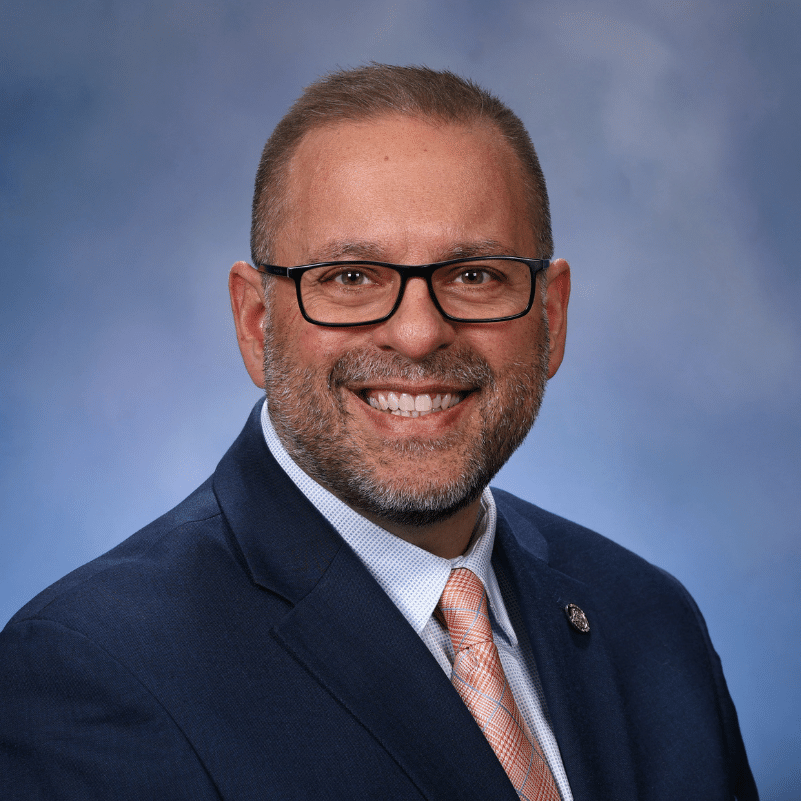
Rep. Mike McFall
Sponsored bills
Maddy summaryHB 5590 amends Michigan's sentencing guidelines to include specific provisions for crimes committed against animals. This change directly affects judges and prosecutors by providing updated rules for determining sentences in cases involving animal cruelty. The bill revises existing legal statutes to ensure that penalties for harming animals are clearly defined within the state's criminal code. By linking this measure to a companion bill, the legislation aims to standardize how such offenses are handled in the judicial system.
Maddy summaryThis bill proposes changes to Michigan's sentencing guidelines specifically for crimes committed against animals. It amends an existing section of the state's criminal procedure code to update how judges determine penalties in these cases. The legislation does not create new crimes but instead modifies the rules used to calculate sentences when animal abuse or neglect is charged.
Maddy summaryThis bill proposes changes to Michigan's sentencing guidelines specifically for crimes committed against animals. It directly affects judges and prosecutors who determine punishments for animal cruelty cases by updating the rules they must follow. The legislation revises the existing legal framework to ensure consistent and updated sentencing standards for these offenses. As a procedural amendment, it does not create new crimes but rather adjusts how penalties are calculated and applied under current law.
Maddy summaryHB 5570 updates Michigan's sentencing guidelines to include specific rules for cases involving the creation or distribution of deepfake sexual images. The bill modifies an existing section of the state's criminal procedure code to ensure that judges and prosecutors have clear standards when determining penalties for these offenses. By adding these provisions to the official sentencing framework, the legislation aims to provide consistency in how courts handle new types of digital sexual exploitation. This change directly affects judges, prosecutors, and defendants involved in cases related to non-consensual deepfake imagery.
Maddy summaryThis bill updates Michigan election laws to clarify procedures for early voting, the use of electronic poll books, and the management of mail-in ballots for military and overseas voters. It also establishes specific rules for handling absent voter ballots that are missing required stubs or have mismatched ballot numbers. Additionally, the legislation sets new requirements for school district election committees to meet regularly and file reports detailing how elections are conducted within their jurisdictions. These changes aim to streamline administrative processes and ensure consistency across various types of elections and voter participation methods.
Maddy summaryThis bill proposes to update Michigan's sentencing guidelines by modifying the specific factors judges consider when determining punishments for various crimes. It directly affects the judicial process by changing how points are assigned for offenses against persons, property, controlled substances, public order, and public safety. The key change involves adjusting which offense variables are scored for different crime categories, though the bill's final effect is currently contingent on the passage of two other related bills.
Maddy summaryThis bill modifies the composition of Michigan's Board of Psychology to include more licensed professionals by replacing public members with psychologists who hold limited licenses. It establishes a new limited license category for individuals with a master's degree in psychology, allowing them to practice under specific supervision and advertising restrictions. To qualify for this limited license, applicants must have a master's degree from an accredited program and complete one year of supervised postgraduate experience in a healthcare setting. The legislation also updates the board's membership requirements to ensure that at least five of its voting members hold a doctoral degree in psychology.
Maddy summaryHB 5588 amends Michigan's Code of Criminal Procedure to update the definitions of specific terms used in sentencing guidelines. The bill clarifies the meanings of words such as aircraft, companion animal, departure, homicide, intermediate sanction, ORV, snowmobile, vehicle, and vessel by referencing their existing definitions in other state laws. These changes ensure that legal documents and sentencing decisions consistently use the current definitions for these terms. The legislation directly affects judges, prosecutors, and defense attorneys who apply these guidelines during criminal proceedings.
Maddy summaryThis bill updates the Michigan Code of Criminal Procedure to include specific sentencing guidelines for early voting violations under state election law. It directly affects judges and prosecutors who must determine appropriate sentences for individuals convicted of these specific election offenses. The legislation amends an existing section to ensure that penalties for early voting infractions are clearly defined within the state's sentencing framework. By modifying the referenced statute, the bill standardizes how courts handle these particular cases without changing the underlying election laws themselves.