

Maddy summaryThis bill amends Michigan's civil rights law to explicitly prohibit housing discrimination based on a person's source of income. It applies to landlords, property managers, and real estate brokers who sell, rent, or lease residential properties. By adding "source of income" to the list of protected categories, the legislation ensures that individuals cannot be denied housing or treated differently because of how they pay their rent, such as using housing vouchers. The law takes effect on April 2, 2025, provided that two companion bills are also enacted into law.
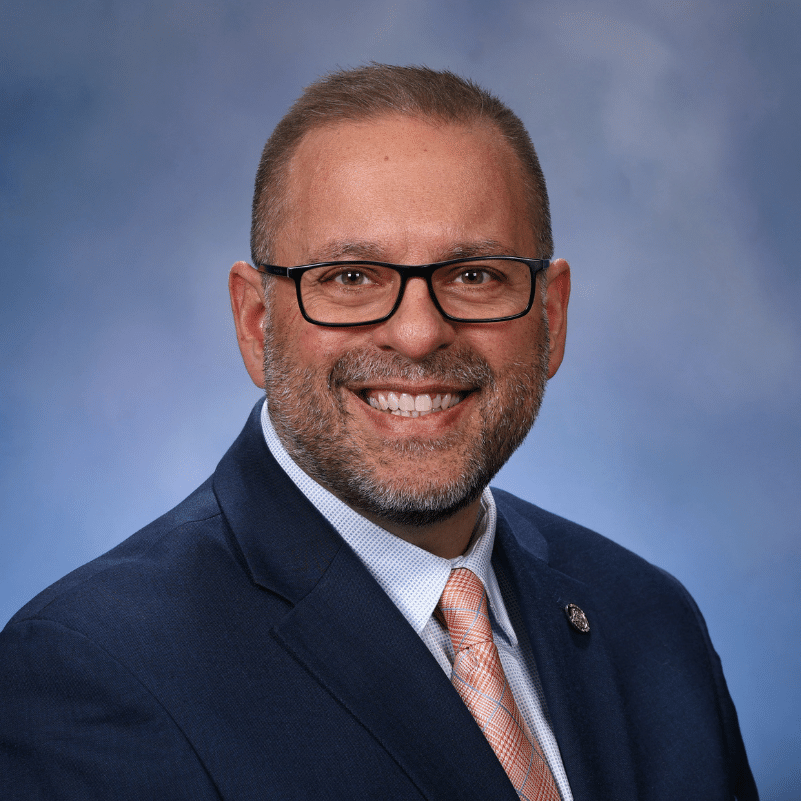
Rep. Mike McFall
Sponsored bills
Maddy summaryHB 4900 updates Michigan laws regarding how courts collect money owed through legal judgments by clarifying definitions and adjusting collection procedures. The bill specifically affects creditors seeking to garnish wages or seize property, as well as individuals whose earnings are subject to such collection efforts. Key changes include refining the definition of "garnishable earnings" to account for specific insurance deductions and establishing a new $1 fee that plaintiffs must pay to the third party holding the debt when serving a garnishment order. Additionally, the legislation clarifies when garnishment proceedings can begin against government entities and individuals who owe money for labor performed.
Maddy summaryThis bill allows certain Michigan state employees in law enforcement roles to voluntarily switch from their current retirement plan to the Michigan State Police retirement system. Between August 4, 2025, and October 17, 2025, eligible workers can submit a written, irrevocable election to make this change, with the transfer taking effect on January 3, 2026. The process requires the signature of the employee's spouse unless waived for special circumstances, and it applies specifically to corrections officers, conservation officers, and state police members who meet specific criteria. Employees who do not submit an election during the designated window will remain in their existing retirement plans.
Maddy summaryThis bill amends Michigan law to allow the Secretary of State to issue official state identification cards directly to individuals currently on parole or recently released from correctional facilities. The program requires the Secretary of State to electronically verify a prisoner's identity using records from the Department of Corrections and issue the card before the individual's projected release date. If the card cannot be delivered in time, the bill mandates that it be mailed to the Department of Corrections for handover to the individual. The legislation also clarifies that applicants who are not U.S. citizens must provide documents proving their legal presence in the United States and prohibits the Secretary of State from displaying Social Security numbers on the cards.
Maddy summaryThis bill designates a specific stretch of Interstate 94 in Wayne County as the "Corporal Mohamed Said Memorial Highway." The designated section runs between Oakwood Boulevard and Outer Drive W. By adding this new section to the Michigan Memorial Highway Act, the legislation officially names the road in honor of Corporal Mohamed Said.
Maddy summaryThis bill creates a new Office of Tribal Legislative Liaison within Michigan's Legislative Council to strengthen government-to-government relationships between the state legislature and federally recognized tribes. The office will be led by a liaison appointed by the council from a list provided by the United Tribes of Michigan, who will be supported by at least two policy advisors. Key duties include visiting each tribe annually, advising lawmakers on how proposed legislation impacts tribal communities, and providing mandatory training for legislators on tribal history and consultation processes. Additionally, the office must submit an annual public report detailing tribal concerns raised during the legislative process to the governor and legislative leaders.
Maddy summaryThis bill removes two specific sections of Michigan's social welfare law that previously required workforce engagement for participants in the Healthy Michigan plan. By repealing these sections, the legislation eliminates the legal mandate that individuals receiving medical assistance must engage in work-related activities as a condition of their coverage. The change directly affects the administration of the state's health program by altering the rules that govern eligibility requirements for enrolled participants.
Maddy summaryThis bill prohibits health insurance companies in Michigan from discriminating against licensed healthcare providers who are acting within the scope of their professional licenses. While insurers must not unfairly exclude these providers from their policies, the law does not force them to contract with every willing provider or to pay the same reimbursement rates to all. The legislation defines discrimination based on existing federal standards and clarifies that "health professional" includes anyone authorized to practice under the state's public health code.
Maddy summaryThis bill establishes a program to issue driver's licenses and state identification cards to individuals who are on parole. It directly affects parolees by allowing them to obtain these documents, which are necessary for daily activities like driving or proving identity. The legislation amends the Michigan Vehicle Code to create the legal framework for this issuance. Although the bill passed both houses of the legislature, it was ultimately vetoed by the Governor.
Maddy summaryThis bill updates Michigan's sentencing guidelines to specify the prison terms for sexual extortion and aggravated sexual extortion. It directly affects individuals charged with these crimes by establishing a tiered system where penalties increase based on whether it is a first, second, or subsequent offense, and by adding higher maximum sentences for cases involving specific aggravating factors. The legislation also adjusts sentencing ranges for other related felonies, such as impersonating public officials and various types of fraud, to align with current legal standards. By amending the Code of Criminal Procedure, the bill provides judges with clearer instructions on how long offenders must serve for these specific violations.