

Maddy summaryHB 4202 amends Michigan's income tax code to update deductions for retirement benefits and education-related payments. It specifically adjusts the maximum deductible amount for retirement/pension benefits (currently $42,240 for singles/$84,480 for couples) to automatically increase annually based on the Consumer Price Index, and clarifies rules for deducting payments made to Michigan's education trust for tuition. The bill affects Michigan taxpayers who claim these deductions, particularly retirees and those using education trust programs. It does not create a new "fetus exemption" (a misstatement in the bill title), but refines existing tax code provisions for retirement income and education savings. The bill is currently in committee after its March 2025 introduction.
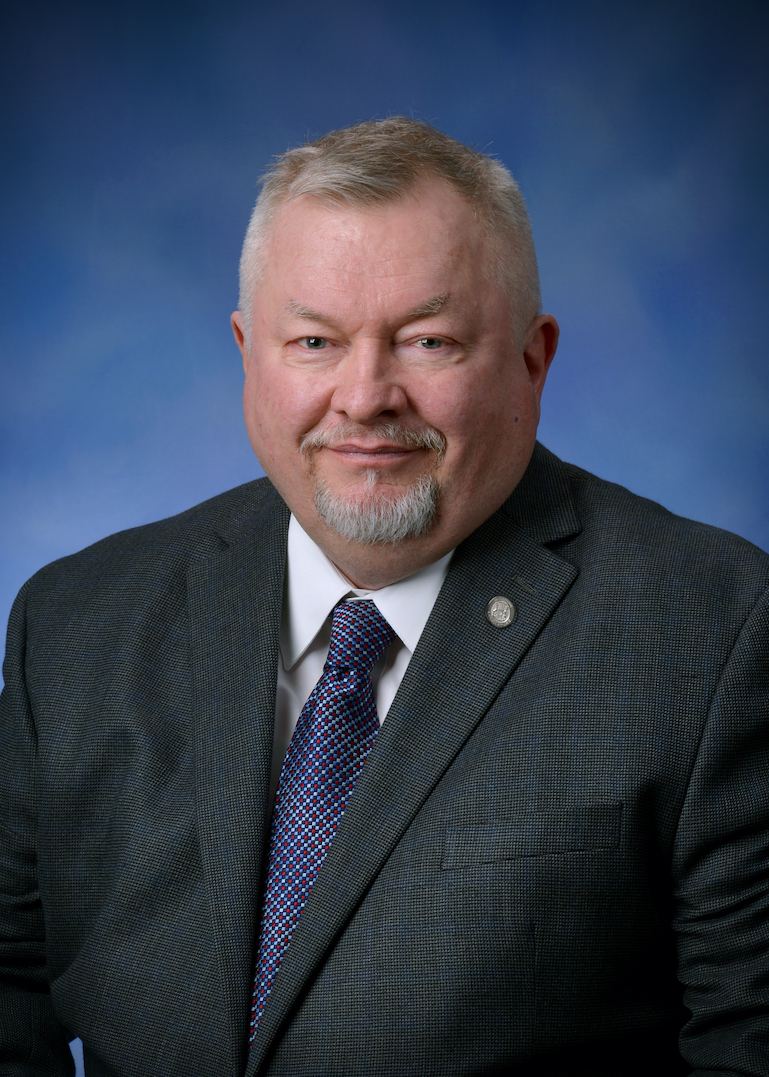
Rep. Greg Markkanen
Sponsored bills
Maddy summaryThis bill prohibits large institutional investors from buying single-family homes in Michigan to prevent corporate ownership of residential properties. It defines these investors as for-profit entities managing or owning over 100 homes statewide with at least $375 million in assets, while allowing exceptions for new construction projects or those that renovate homes with significant improvements. The law applies to various acquisition methods, including mergers and foreclosures, and sets a civil penalty of up to $25,000 per home for any violations.
Maddy summaryHB 5570 would allow single exit stairways in small multi-family buildings (up to 4 floors above ground or 3 floors with an occupiable roof) under strict safety conditions. It applies to buildings with no more than 4 units per floor and 4,000 square feet per floor. Required safety features include fire alarms, smoke detectors in common areas (like hallways and laundry rooms), and sprinklers meeting NFPA standards. This change would affect housing developers building qualifying new or renovated apartment buildings.
Maddy summaryHB 5571 allows single interior exit stairways in multi-family apartment buildings with 4-6 levels (or 3-5 levels with an occupiable roof), directly affecting developers and builders of such structures. The bill requires buildings to have no more than 4 units per level, limit floor area to 4,000 sq ft per level, and ensure exit access travel is ≤125 feet from any point. Key safety provisions include mandatory smoke detectors in common areas (like hallways and laundry rooms), manual fire alarms, automatic smoke detection systems, and sprinklers meeting NFPA standards. It also mandates that the building’s fire department must be accredited by the Commission on Fire Accreditation International and hold a Class 1-2 public protection rating. The bill is contingent on HB 5570 passing into law.
Maddy summaryHB 4064 prohibits Michigan state senators and representatives from receiving extra pay (beyond their regular salary) for directly communicating with government officials to influence legislative or administrative decisions. It specifically bans compensation for lobbying activities involving officials in Michigan's executive or legislative branches, or similar officials in other state or local governments. Violating this rule is a misdemeanor punishable by up to 90 days in jail, a $1,000 fine, or both. The bill amends Michigan's ethics law (MCL 4.411-4.431) and takes effect January 1, 2026.
Maddy summaryHB 4750 requires Michigan's foster care department to use or save existing benefits (such as Medicaid or education funds) for children in foster care when it serves their best interests, directly affecting all children in the state's foster care system. The bill amends Michigan's foster care law to mandate this approach, ensuring benefits are prioritized for the child's well-being rather than other uses. Key provisions include adding a new section (8f) to the existing law, directing the department to make decisions based on each child's specific needs. This policy change clarifies how resources must be managed without specifying new funding or programs.
Maddy summaryHB 4350 amends Michigan's Natural Resources and Environmental Protection Act to allow individuals to feed wild birds and other wildlife under specific conditions. This bill permits such feeding if it occurs within 300 feet of a residence and the total amount of feed does not exceed two gallons. It clarifies that this allowance does not apply to activities like baiting for hunting, normal agricultural practices, or feeding conducted in a way that excludes deer and elk. This aims to create limited exceptions for recreational or preventative feeding of wildlife by residents.
Maddy summaryHB 4187 modifies Michigan's corporate income tax law by adjusting how the tax base is calculated and clarifying revenue distribution. It requires corporations to add back certain taxes and expenses previously deducted for federal purposes (like state taxes or related-party royalties) and eliminates deductions for oil/gas and mineral-related income and expenses. For the 2021-2022 fiscal year, the bill directs $800 million of corporate tax revenue to the Michigan taxpayer rebate fund, while other years’ revenue flows to the general fund. This directly affects corporations operating in Michigan and the state’s budget allocation process.
Maddy summaryHB 5249 creates a new "adaptive care license" for ambulance operations currently licensed only for basic life support (BLS). It allows these operations to gradually upgrade to provide limited advanced life support (ALS) or advanced life support (ALS) services, provided they demonstrate staffing and equipment readiness for higher care levels by January 1, 2025. The license requires annual documentation of progress toward this upgrade, including training and equipment plans, and must be renewed annually alongside the operation's regular license. This applies specifically to ambulance services owned or contracted by local governments that previously provided only BLS for emergency response.
Maddy summaryHB 4309 establishes a licensure compact for physician's assistants, allowing them licensed in one participating state to practice in other participating states without needing separate licenses. This directly affects physician's assistants seeking to work across state lines and patients in states participating in the compact. The bill creates legal mechanisms by amending existing law to enable reciprocal licensing agreements between states, removing barriers for PAs to provide care in multiple jurisdictions. It provides the framework for states to join the compact through mutual recognition of licenses, streamlining practice for qualified professionals.