

Maddy summaryHB 4108 amends Michigan's tort law to grant legal immunity to individuals who provide emergency bleeding control during medical crises. It directly protects ordinary citizens (not just professionals) who act in good faith to stop severe bleeding, such as at accident scenes or public events. The key provision shields these helpers from lawsuits for unintentional harm caused while applying bleeding control techniques, like using tourniquets or pressure dressings. This change applies specifically to bleeding control efforts during emergencies, not general emergency assistance.
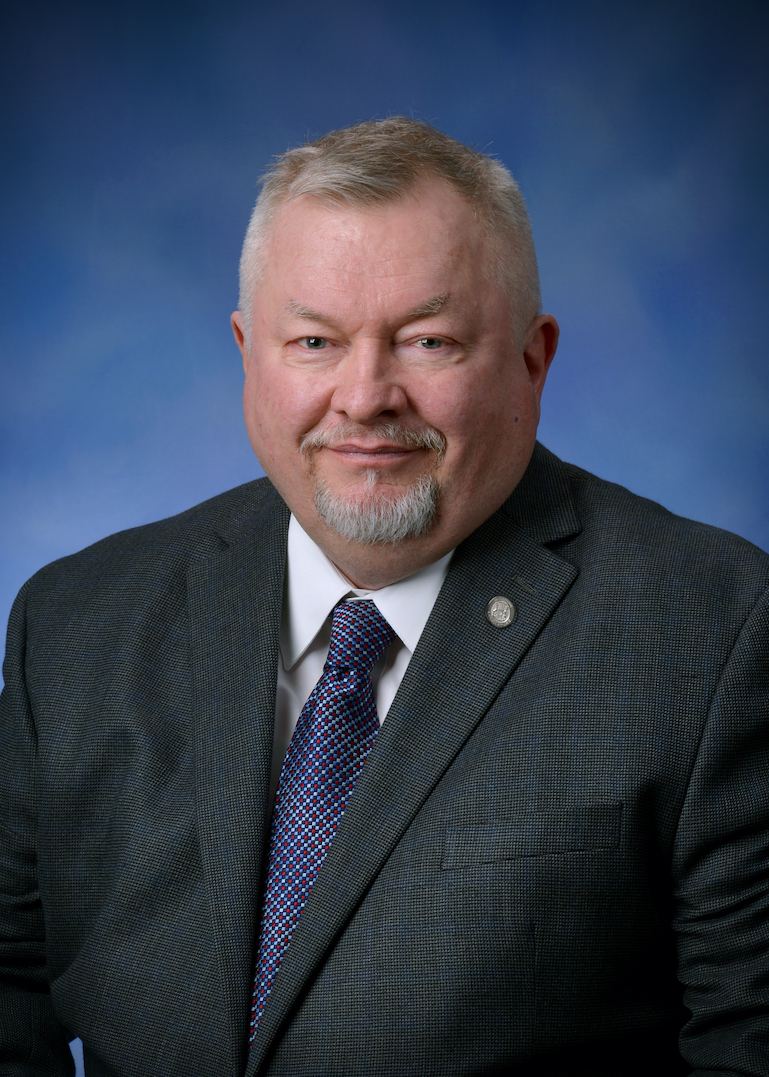
Rep. Greg Markkanen
Sponsored bills
Maddy summaryHB 4847 removes a legal requirement for health club staff to provide emergency medical assistance using on-site AEDs (automated external defibrillators). It directly affects health club owners, operators, and employees by granting them immunity from liability if they do not render such aid. The bill amends existing law to clarify that health clubs have no duty to use AEDs during medical emergencies on their premises. This change does not impact other emergency medical service laws (like 1963 PA 17) but specifically limits health clubs' obligations regarding AED use. The bill passed the House in 2025 and is now moving through committee review.
Maddy summaryHB 4937 creates a new "backup shooter" license for bear hunting in Michigan, allowing a secondary hunter to participate if the primary hunter is unable to hunt. This directly affects bear hunters who hunt in groups or partnerships, providing flexibility when the main hunter cannot participate. The bill amends existing law to establish this license type, specifying eligibility and usage rules for backup shooters during bear hunting seasons. The change updates hunting regulations to accommodate group hunting scenarios without requiring a separate license for each participant.
Maddy summaryHB 4857 amends Michigan’s Public Health Code to strengthen confidentiality protections for emergency service providers receiving critical incident stress management (CISM) services. The bill ensures conversations between first responders (such as police, firefighters, EMTs, and dispatchers) and CISM teams remain private, preventing disclosure in court, investigations, or other proceedings. Exceptions include situations where a provider poses an imminent threat to themselves or others, reports abuse, or explicitly waives confidentiality. This change directly affects emergency workers accessing mental health support after traumatic incidents, ensuring they can seek help without fear of their disclosures being used against them. The law applies to all CISM services provided under the existing framework, including peer support, debriefings, and referrals.
Maddy summaryHB 4351 designates a specific segment of US-41 in Menominee County as the "SPC David Anthony Wilkey Jr. Memorial Highway." The bill adds Section 1087 to Michigan's Memorial Highway Act, naming the stretch between US-2 and County Road 374. This is a symbolic, commemorative measure with no policy changes or direct impacts on residents or programs. The bill passed unanimously in the Michigan House on December 2, 2025, with immediate effect.
Maddy summaryHB 5290 requires public employers to negotiate minimum staffing levels as a mandatory topic in collective bargaining agreements for firefighters and other public employees covered under Michigan's 1969 firefighting safety law (MCL 423.231-423.247). This change applies specifically to units where employees face firefighting hazards, making staffing levels part of required negotiations. Employers may opt out of bargaining on staffing levels only if they face budget shortfalls from state revenue or property tax declines, or if a millage increase would be needed to cover costs. The bill amends sections 11 and 15 of Michigan's 1947 Public Employment Relations Act to update mandatory bargaining requirements.
Maddy summaryHB 4420 creates a standardized form requiring Michigan legislators to disclose any spending items they direct to specific projects or organizations. This requirement applies directly to all state legislators and state agencies when allocating funds based on legislative direction. The key mechanism mandates that this disclosure form be completed for every instance of directed spending, ensuring consistent public transparency. The bill aims to clarify and document how lawmakers influence state fund allocation without altering the underlying spending authority.
Maddy summaryThis bill is a ceremonial resolution (not a law) declaring November 23, 2025, as "Christ the King Sunday" in Michigan. It does not create new policies or affect any individuals, organizations, or government programs. The resolution encourages Michiganders to reflect on moral and spiritual values associated with the observance, as noted in the House's adopted text. It follows a longstanding tradition recognized by Christian communities and references historical context from the 1925 papal decree. As a symbolic gesture, it has no binding effect on state actions or residents.
Maddy summaryThis is a ceremonial resolution (not a law), declaring November 15, 2025, as "Hunting Heritage Day" in Michigan. It recognizes hunting's cultural significance, economic impact (supporting 135,000 jobs and contributing $8.9 billion annually), and role in wildlife management and community programs like Hunters Feeding Michigan. The resolution does not create new laws or affect regulations; it solely serves to honor hunting traditions and its contributions to Michigan. It was introduced and adopted by the Michigan House of Representatives.
Maddy summaryHB 5231 designates the "Honor and Remember flag" (created by Honor and Remember, Inc.) as Michigan's official state emblem for honoring military members who died in service. This procedural bill directly affects Michigan's official symbols by replacing the current emblem with this specific flag for remembrance purposes. It does not create new programs or alter existing laws, only formally adopting the flag as the state's designated symbol of remembrance. The bill is currently in committee referral after its introduction on November 6, 2025.