

Maddy summaryHB 4786 creates the Upper Peninsula Natural Resources Commission under Michigan's Natural Resources and Environmental Protection Act. The commission, appointed by the governor from lists provided by UP legislators, will make rules specifically about game and sport fish management that affect only the Upper Peninsula. Members serve two-year terms without pay but receive expense reimbursement. This bill requires three related bills (HB 4783, 4784, and 4785) to also pass before taking effect.
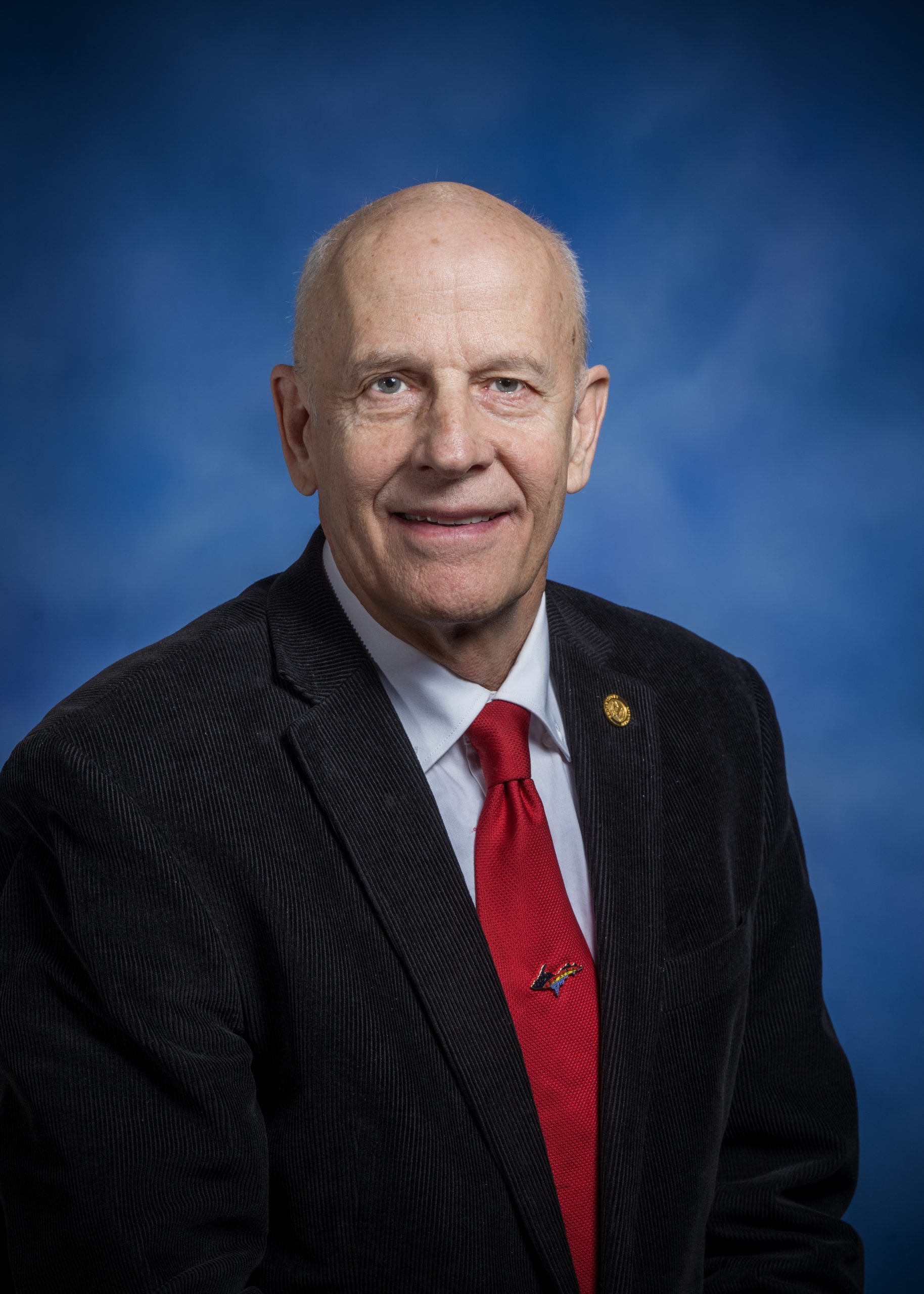
Rep. Karl Bohnak
Sponsored bills
Maddy summaryHB 4784 gives Michigan's Upper Peninsula Natural Resources Commission (UP Commission) new authority to manage wildlife specifically in the Upper Peninsula. It authorizes the UP Commission to establish the first hunting seasons for moose and wolves in the region, while requiring all decisions to follow scientific wildlife management principles. The bill also grants the UP Commission exclusive authority over game species that primarily affect the Upper Peninsula or have minimal impact outside the region. This change directly affects the UP Commission's management decisions, hunters pursuing moose or wolves in the UP, and wildlife conservation efforts focused on the Upper Peninsula. The law mandates public hearings and scientific review before implementing hunting regulations.
Maddy summaryHB 4785 creates the Upper Peninsula natural resources commission (UP commission) by amending Michigan's Natural Resources and Environmental Protection Act to define it as a new entity. The bill also amends section 40102 to authorize the UP commission to issue orders regarding deer or elk feeding, a specific wildlife management issue. This commission will provide a regional decision-making body for natural resource matters in the Upper Peninsula, particularly concerning wildlife impacts on local ecosystems. The bill is tied to three other related bills (HB 4784, HB 4786, and HB 4783), requiring all to pass together.
Maddy summaryHB 4712 creates a new program through which the Michigan Department of Military and Veterans Affairs will reimburse eligible Michigan National Guard members for premiums paid toward Tricare Reserve Select or Tricare Dental coverage. The program allows the department to award grants to qualifying members who apply using a department-provided form, covering premiums for these specific health plans. It directly affects Guard members who are not on active duty and lack other employer or private health insurance. The bill establishes the framework for administering these reimbursements but does not specify funding amounts or application deadlines.
Maddy summaryHB 4426 amends Michigan's Motor Carrier Safety Act (MCL 480.12d) to set a minimum age of 21 for drivers transporting hazardous materials requiring placards under federal rules. It maintains the existing 18-year-old minimum for most commercial driving but specifically raises the age requirement for hazardous materials transport. The bill does not change medical waiver or grandfathered driver provisions. This change directly affects commercial drivers operating in Michigan who transport hazardous materials requiring placards.
Maddy summaryHB 4654 provides supplemental state funding to assist Baraga County with recovery efforts following recent flooding. It allocates specific emergency funds for flood-related repairs and local recovery initiatives within Baraga County. The bill creates a new appropriation act to manage this emergency funding allocation for the fiscal year ending September 30, 2025. This direct funding targets Baraga County residents and local government responding to flood damage.
Maddy summaryHR 131 is a ceremonial resolution introduced by Rep. Bruck and adopted on June 12, 2025, to honor the 250th anniversary of the U.S. Army's founding on June 14, 2025 (marking the 1775 establishment of the Continental Army). It recognizes the Army's historical role in the Revolutionary War, its mission, and its current status as a key military force. The resolution has no legal effect or policy changes - it is purely symbolic, expressing congressional admiration without impacting any laws, funding, or specific groups.
Maddy summaryHB 4597 amends Michigan's Vehicle Code to allow local governments (counties, townships, cities, and villages) to set or change speed limits on local highways without requiring a traffic engineering study. Instead, local authorities must first obtain written approval from the chief law enforcement officer (or county sheriff if none exists) and hold a public hearing with at least 14 days' notice. Speed limits established under this bill must be in 5 mph increments and consider factors like public safety, community input, road features, and environmental concerns. This change streamlines local speed limit adjustments while maintaining oversight through law enforcement approval and public engagement.
Maddy summaryThis bill amends Michigan's Natural Resources and Environmental Protection Act to clarify that fur harvester license holders may hunt coyotes year-round. It directly affects licensed hunters who hold a fur harvester's license, removing ambiguity about year-round coyote hunting eligibility. The key change updates Section 43531(4) to explicitly permit year-round coyote hunting under the existing license framework, without altering fees or other license requirements.
Maddy summaryThis bill proposes a constitutional amendment to Michigan's budget rules (Article IX, Section 28), directly affecting how the state sets annual spending limits. It replaces current spending caps with a new formula tying budget growth to inflation, population changes, and voter-approved revenue increases. Any state revenue exceeding this calculated limit must be refunded to taxpayers via law. The amendment modifies how the legislature calculates yearly spending authority, requiring excess funds to flow back to citizens rather than remaining in the state budget.