

Maddy summaryHB 4774 amends Michigan's procurement rules for state contracts involving architects, engineers, and land surveyors. It requires state agencies to use a competitive, qualifications-based selection process - evaluating firms on expertise, experience, and past performance - rather than lowest-cost bidding for these services. The bill mandates publishing project details, ranking qualified firms, and negotiating contracts with the top-ranked firm, with limited waivers allowed for emergencies or projects under $250,000. This directly affects state agencies and qualified professional firms when procuring these services for public projects.
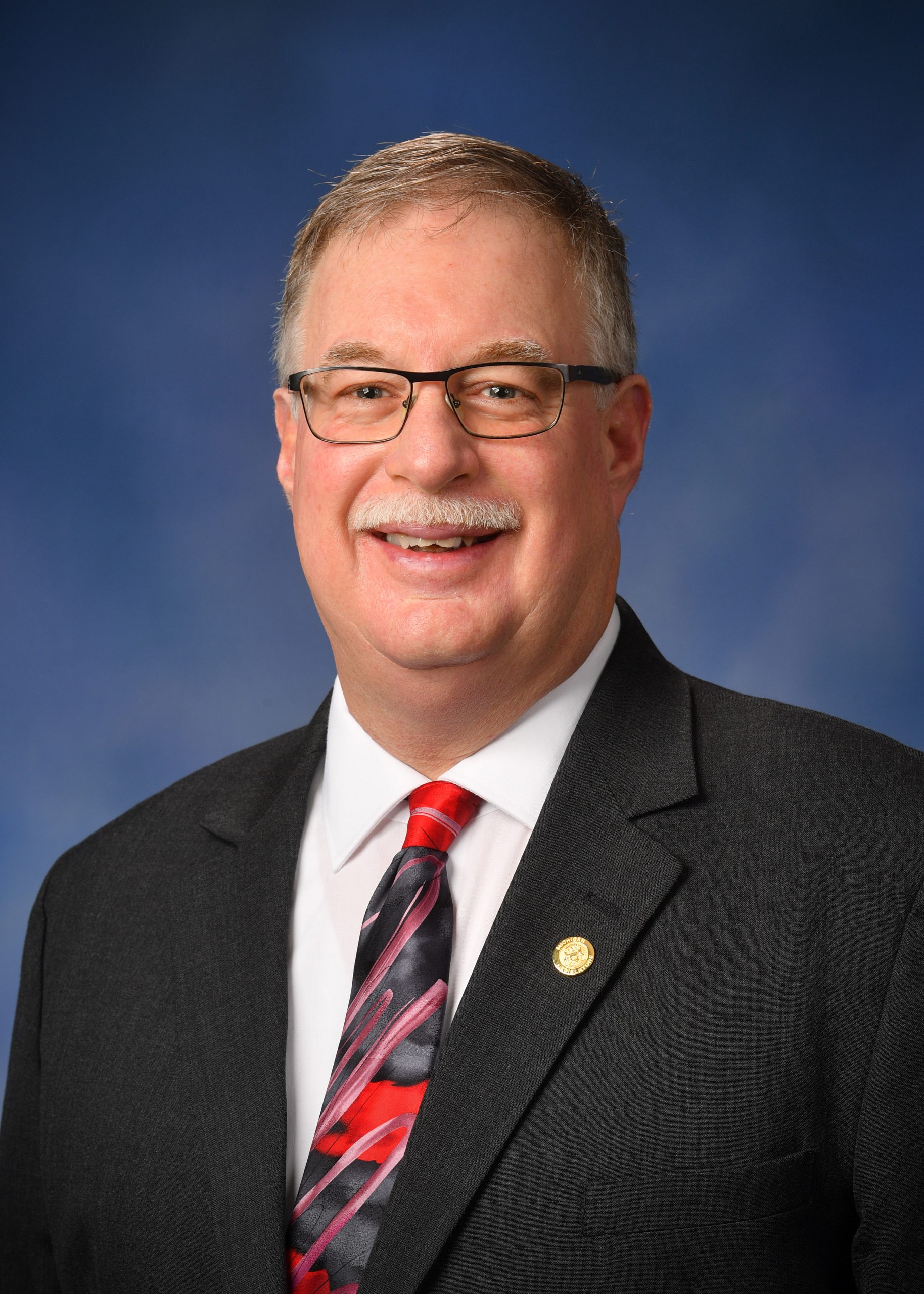
Rep. J.R. Roth
Sponsored bills
Maddy summaryHB 5429 is a supplemental appropriations bill that allocates additional state funding for the autism navigator program. It directly affects the program by providing dedicated financial resources to support its operations and services. The bill creates a new appropriation act to fund this specific initiative within the state budget for fiscal year 2026. This is a procedural funding measure, not a policy change, and it remains pending in the Appropriations Committee after its introduction on December 23, 2025.
Maddy summaryHB 4282 amends Michigan's liquor licensing law (MCL 436.1513) to change requirements for businesses selling alcohol for on-premises consumption. It directly affects restaurants, bars, and similar establishments seeking or holding licenses to serve alcohol at their locations. The bill modifies specific statutory provisions governing these licenses but does not specify new categories or additional restrictions. This change alters the existing legal framework for these permits without altering broader licensing categories.
Maddy summaryHB 5078 designates a specific segment of M-22 in Leelanau County (from North Stallman Road to North Putnam Road) as the "Company K Indian Veterans 1st Michigan Sharpshooters Civil War Memorial Highway." The bill amends Michigan's Memorial Highway Act to add this official name, directly affecting signage and official records for that highway stretch. It is a purely commemorative measure with no policy changes or funding mechanisms, solely honoring the Civil War unit known as the 1st Michigan Sharpshooters.
Maddy summaryHB 5357, the "Age-Appropriate Design Code Act," requires businesses meeting specific thresholds (e.g., $25 million+ annual revenue or handling data of 50,000+ consumers) to design online services, products, or features accessed by known minors (under 18) with privacy and safety as defaults. It prohibits "dark patterns" that manipulate user choices, bans collecting precise geolocation data without consent, and mandates age-appropriate settings for minors. The law applies to businesses operating in Michigan that process personal information of minors, creating civil penalties for violations. It establishes a fund to support enforcement and defines key terms like "known minor" and "business" to clarify compliance requirements.
Maddy summaryHouse Bill 4425 creates the Sustainable Aviation Fuel Incentive Program in Michigan. This program aims to encourage companies to produce or blend sustainable aviation fuel (SAF) within the state by offering corporate income tax credits. The Department of Environment, Great Lakes, and Energy (EGLE) will administer the program, certifying SAF that meets specific criteria, including source materials, technical standards, and a minimum 50% reduction in life-cycle greenhouse gas emissions compared to traditional jet fuel. The bill sets an annual cap on the total amount of tax credits approved, starting at $4.5 million for the 2025-2026 fiscal year and increasing to $9 million annually thereafter.
Maddy summaryHouse Bill 4424 proposes a new corporate income tax credit for businesses that produce or blend sustainable aviation fuel (SAF) within Michigan. Qualified taxpayers can claim a credit of $1.50 per gallon for SAF produced or blended in the state and sold for use in aircraft departing from Michigan airports. This credit can increase up to $2.00 per gallon based on the SAF's life-cycle greenhouse gas emission reductions. If the credit amount exceeds a company's tax liability, the difference will be refunded.
Maddy summaryHB 4314 amends Michigan's environmental law to allow property owners and communities to remove free-floating debris and uprooted vegetation from shorelines without a permit. Specifically, it permits mechanical or manual removal between the ordinary high-water mark and the water's edge, as long as the activity doesn't impact the lakebed. This change directly affects residents, shoreline property managers, and local groups maintaining areas along Great Lakes and Lake St. Clair shorelines. The exemption does not apply to the St. Clair River delta area in Clay Township, St. Clair County, as defined in 1899 PA 175.