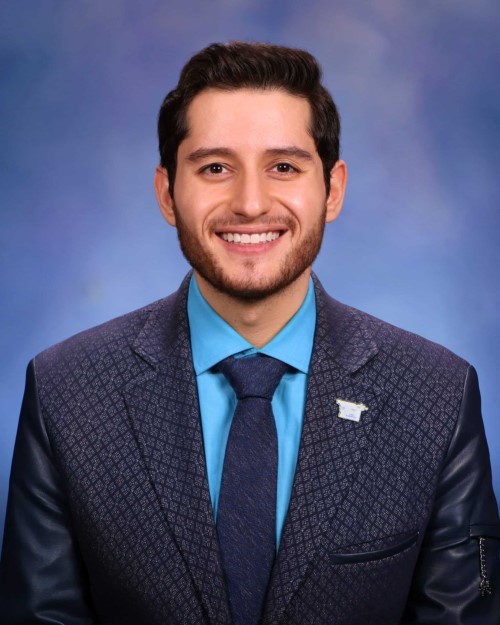
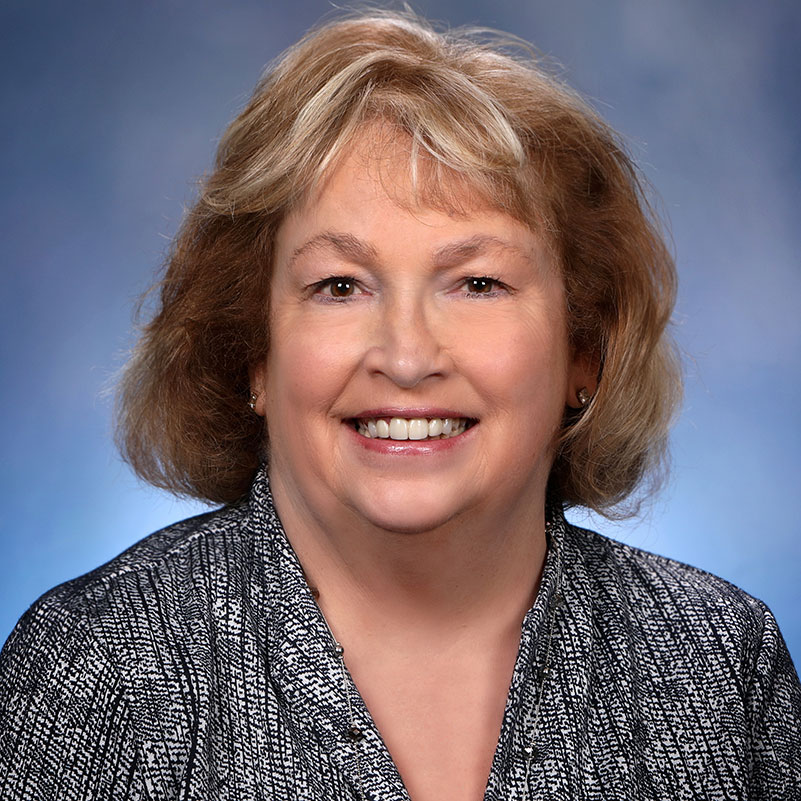
HB 4180 removes the sales tax requirement for motor fuel sales in Michigan by amending the state tax code. It directly affects gas stations and fuel retailers by exempting motor fuel transactions from the standard sales tax. The bill creates a new tax exemption provision (Section 4gg) in the tax code, specifically excluding motor fuel sales from taxable transactions. This change became effective immediately upon the Governor's approval on October 7, 2025.
HB 4390 expands Michigan's vehicle code to allow testing of oral fluid (such as saliva) for controlled substances, alongside blood, breath, or urine, when determining impairment. It directly affects commercial drivers who refuse chemical tests for controlled substances or alcohol while operating commercial vehicles. The bill adds a new definition of "other bodily fluid" to include oral fluid and creates a process for "preliminary oral fluid analysis" conducted by certified experts at the scene. This change updates existing suspension rules for commercial drivers who refuse testing, ensuring consistent enforcement for controlled substances alongside alcohol. The policy change specifically targets commercial motor vehicle operators who decline chemical tests for drugs or alcohol.
HB 4391 expands Michigan's vehicle code to allow law enforcement to test for intoxication using other bodily fluids beyond blood or breath, such as urine or saliva. It directly affects drivers suspected of operating a vehicle while impaired, updating sections 625a, 625c, and 625g of the 1949 Michigan Vehicle Code (MCL 257.625a et seq.). The bill amends existing testing methods to include these additional fluids, providing more flexibility for officers during DUI investigations. The bill passed the Michigan House on July 17, 2025, with immediate effect.
HB 4214 would have modified Michigan's vehicle code (MCL 257.601b & 257.682) to change the procedures drivers must follow when approaching a school bus displaying yellow flashing lights. The bill directly affected all drivers operating vehicles in Michigan who encounter school buses with yellow lights, which typically indicate the bus is preparing to stop for loading/unloading children. It aimed to adjust the specific actions drivers must take during this phase of bus operation. The bill was defeated in the legislature on June 26, 2025, with a vote of 52-51.
House Resolution 91 is a resolution expressing support for President Trump’s policies aimed at increasing the nation’s energy infrastructure and security. The resolution specifically highlights how these policies have facilitated emergency permitting for the Enbridge Line 5 tunnel project, intended to replace an existing pipeline under the Straits of Mackinac.
HB 4185 changes how Michigan's general sales tax revenue is distributed. It directs 15% of the 4% sales tax to cities, villages, and townships through the Glenn Steil Revenue Sharing Act. Sixty percent goes to the state school aid fund (including all 2% tax from aviation fuel sales), while 27.9% of 25% from vehicle/fuel sales funds the transportation system. Additionally, it requires $9-12 million annually from computer software sales to the Michigan health initiative fund.
HB 4184 increases Michigan's excise tax on aviation fuel from 3.10 cents to 4.00 cents per gallon. It directly affects fuel sellers, airlines, and airport operators by changing how this tax revenue is distributed. The bill modifies Section 203 of the Aeronautics Code to require 35% of the tax revenue to fund the state aeronautics fund and 65% to fund qualified airports. It also retains the 1.5-cent refund for airlines operating interstate flights and the exemption for fuel used in leaded racing fuel production.
HB 4230 creates a new "neighborhood road fund" in Michigan's state treasury, funded by $100 million annually from income tax revenues (specifically from Section 695 of the 1967 Income Tax Act). This fund directly affects county road commissions, city and village road agencies, and the local bridge advisory board. Key provisions require $100 million yearly to be reserved exclusively for repairing closed, restricted, and critical bridges (managed by the advisory board), while the remaining funds are distributed to road agencies based on their road mileage - $100,000 per county commission plus a mileage-based share for all counties, and similarly for cities/villages. The bill specifies these funds must cover road preservation, maintenance, and preventative work without requiring local matching funds.