






Issue · Immigration

Immigration (Driver Licenses & IDs)

Every immigration bill, vote, and legislator stance in Michigan, automatically classified by Maddy, our AI policy reader.

Total bills
11
2025-2026 Regular Session
Top supporter
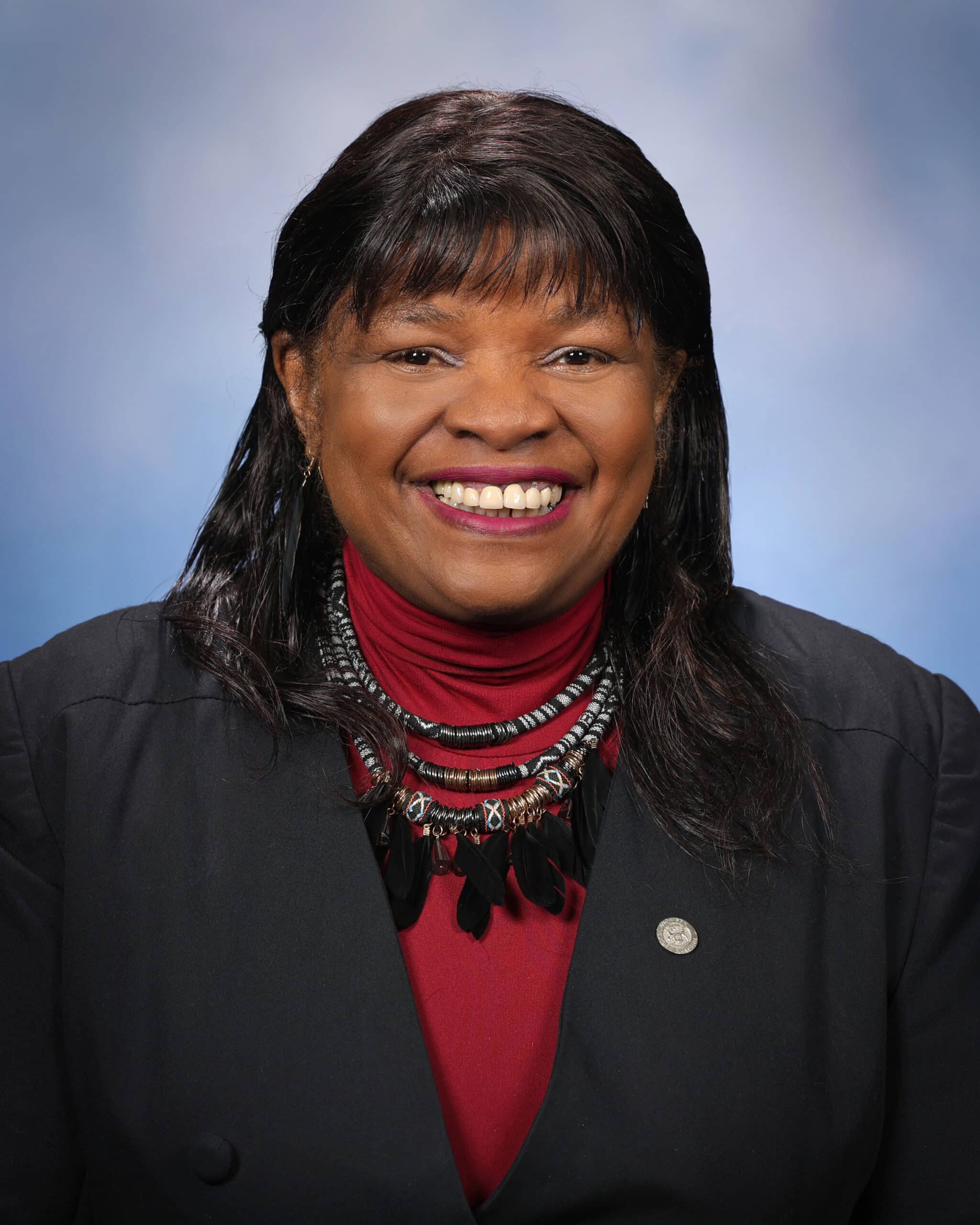
Betsy Coffia
100% support rate
Top opponent
Alicia St. Germaine
0% support rate
Ranked legislators
10
5 support · 5 oppose
Key legislators

Who's moving driver licenses & ids in Michigan

Legislators moving driver licenses & ids in Michigan
Legislator Party Stance Support rate Votes
Betsy Coffia
Betsy Coffia House · District 103
D
Strong +
100% 3
Brenda Carter
Brenda Carter House · District 53
D
Strong +
100% 3
Carol Glanville
Carol Glanville House · District 84
D
Strong +
100% 3
Carrie Rheingans
Carrie Rheingans House · District 47
D
Strong +
100% 3
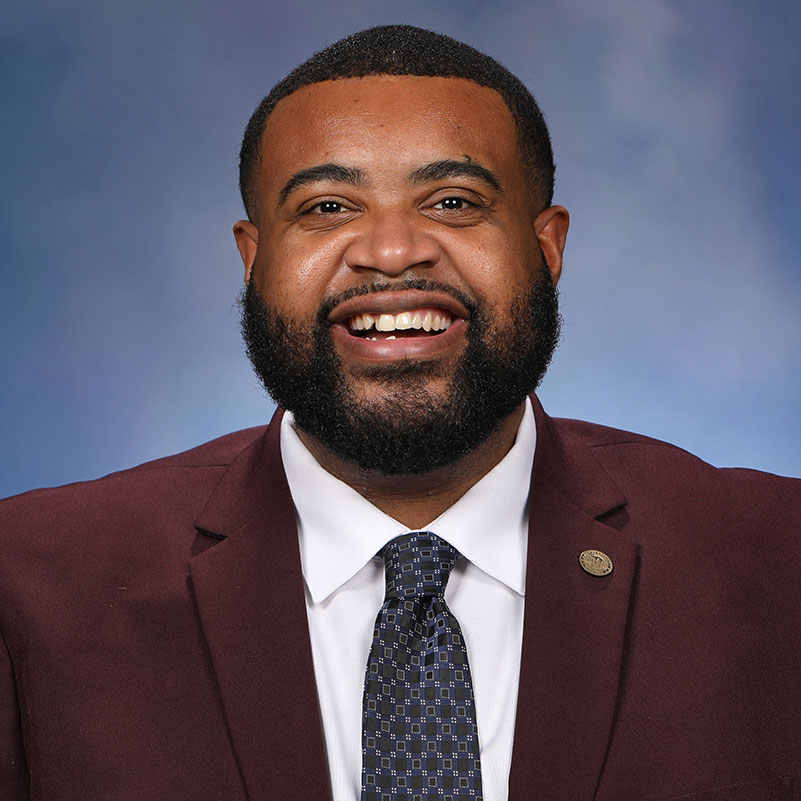
Donavan McKinney
Donavan McKinney House · District 11
D
Strong +
100% 3
Alicia St. Germaine
Alicia St. Germaine House · District 62
R
Strong −
0% 3
Angela Rigas
Angela Rigas House · District 79
R
Strong −
0% 3
Ann Bollin
Ann Bollin House · District 49
R
Strong −
0% 3
Bill Schuette
Bill Schuette House · District 95
R
Strong −
0% 3
Brad Paquette
Brad Paquette House · District 37
R
Strong −
0% 3
Showing 11–11 of 11 bills

All immigration bills

in committee · Michigan · Senate Mar 25, 2026

SR 86: A resolution to urge the United States Congress to pass legislation to require immigration officers to display visible identification, prohibit immigration officers from covering their faces, and limit immigration enforcement actions in sensitive locations.

Senate Resolution 86 urges the U.S. Congress to pass two specific bills: the "VISIBLE Act" (S.2212) requiring immigration officers to display visible identification (including agency and badge number) and prohibiting face coverings during public enforcement, and the "Protecting Sensitive Locations Act" (S.455) limiting enforcement actions in places like schools, hospitals, places of worship, and courthouses. The resolution directly affects federal immigration officers and the public interacting with them, aiming to increase transparency and protect privacy in sensitive settings. It references existing congressional proposals to codify longstanding enforcement policies that have been used under multiple administrations. The resolution does not create new law but calls for federal legislative action to standardize these requirements.
Showing 11 to 11 of 11 bills