Issue · Healthcare

Healthcare

Every healthcare bill, vote, and legislator stance in Michigan, automatically classified by Maddy, our AI policy reader.

Total bills
530
2025-2026 Regular Session
Top supporter
Veronica Klinefelt
96% support rate
Top opponent
Jim Runestad
8% support rate
Ranked legislators
10
5 support · 5 oppose
Key legislators

Who's moving healthcare in Michigan

Legislators moving healthcare in Michigan
Legislator Party Stance Support rate Votes
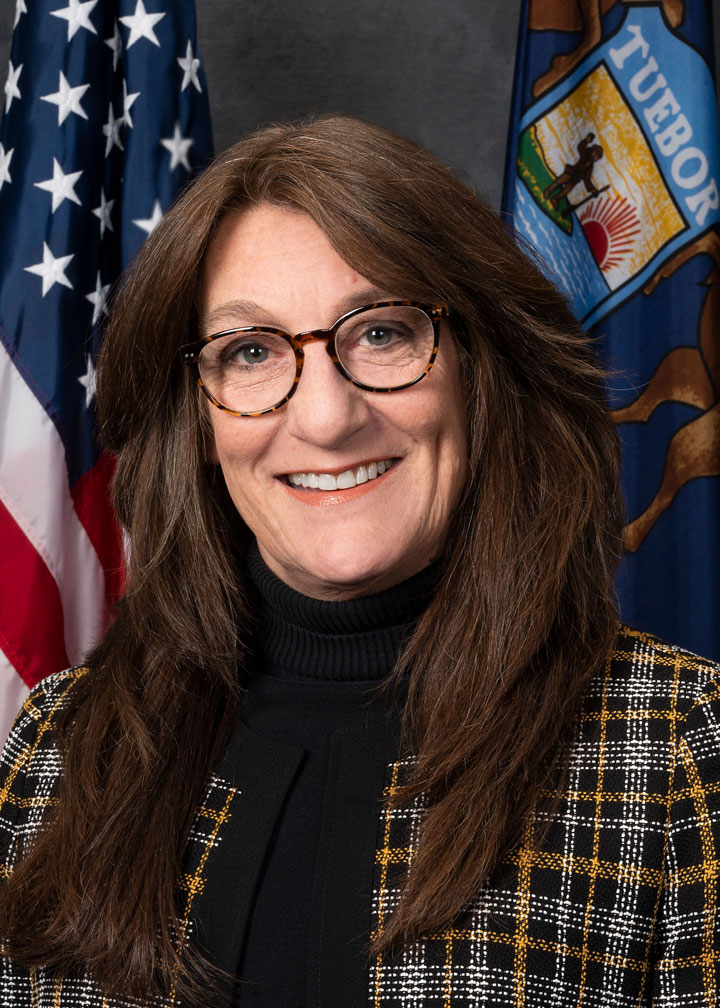
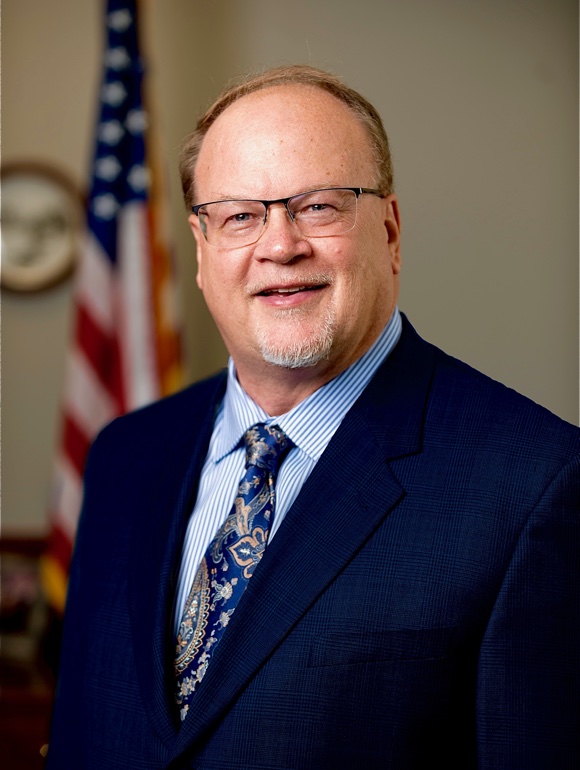
Veronica Klinefelt
Veronica Klinefelt Senate · District 11
D
Strong +
96% 60
Winnie Brinks
Winnie Brinks Senate · District 29
D
Strong +
93% 64
Mallory McMorrow
Mallory McMorrow Senate · District 8
D
Strong +
93% 60
Kevin Hertel
Kevin Hertel Senate · District 12
D
Strong +
93% 63
Jeremy Moss
Jeremy Moss Senate · District 7
D
Strong +
93% 62
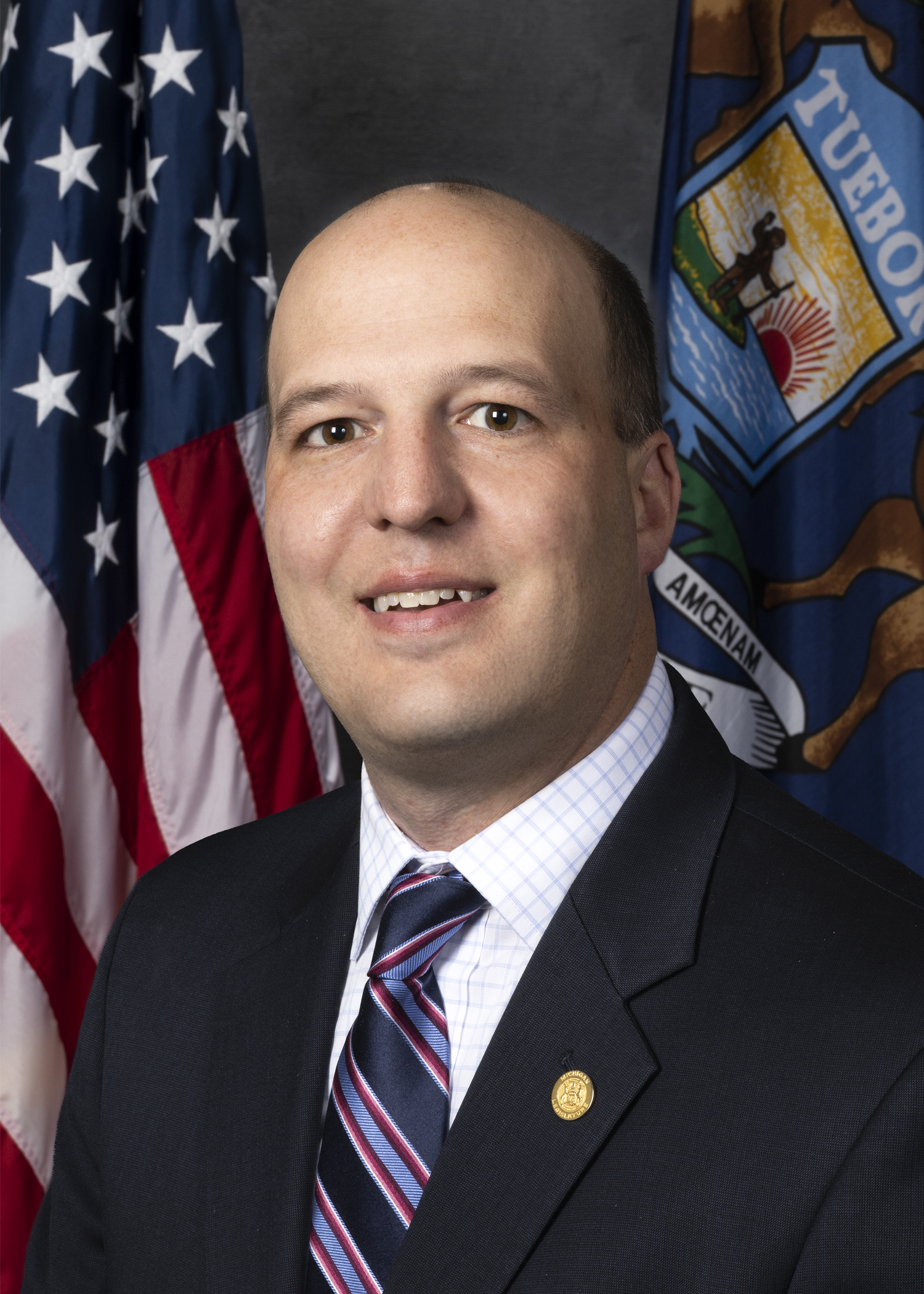
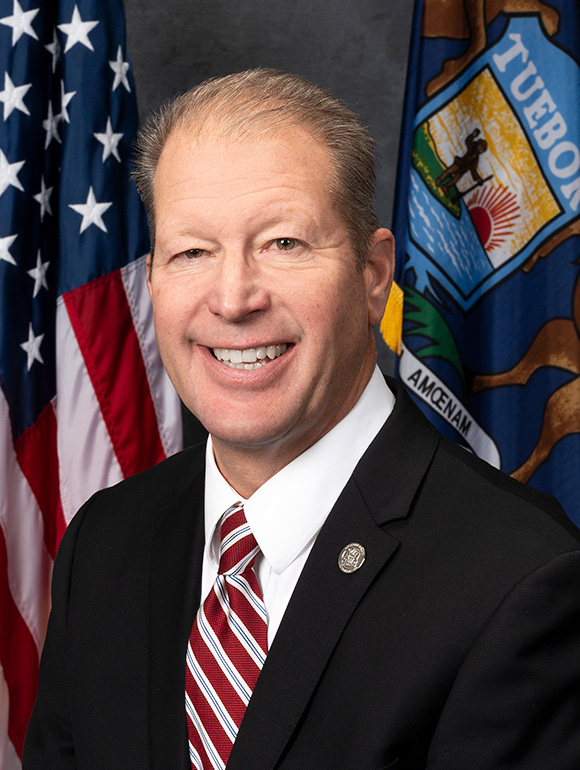
Jim Runestad
Jim Runestad Senate · District 23
R
Strong −
8% 49
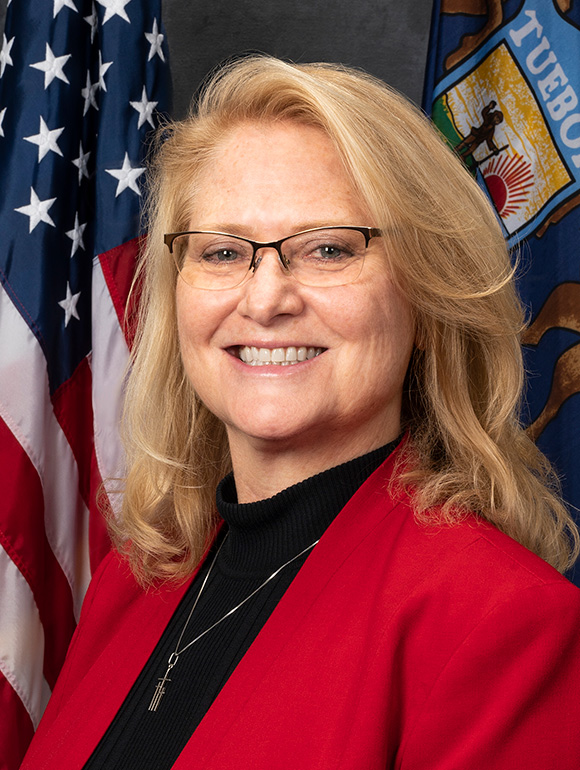
Michele Hoitenga
Michele Hoitenga Senate · District 36
R
Strong −
17% 62
Dan Lauwers
Dan Lauwers Senate · District 25
R
Strong −
17% 63
Thomas Albert
Thomas Albert Senate · District 18
R
Strong −
17% 61
Lana Theis
Lana Theis Senate · District 22
R
Strong −
19% 59
Showing 81–90 of 530 bills

All healthcare bills

in committee · Michigan · Senate Apr 22, 2026

SB 914: Insurance: health benefits; application of amount paid by the insured or other certain parties when calculating the insured’s co-pay for a prescription drug; require under certain conditions. Amends 1956 PA 218 (MCL 500.100 - 500.8302) by adding sec. 3406nn.

This bill requires health insurance plans in Michigan to count payments made by patients or on their behalf toward meeting out-of-pocket maximums and cost-sharing limits for prescription drugs. It applies to both standard plans and high-deductible health plans, though it includes a specific rule for high-deductible plans to ensure compliance with federal health savings account regulations. The law takes effect for policies delivered, issued, or renewed after December 31, 2025, and explicitly defers to federal law if any conflict arises.
in committee · Michigan · House May 13, 2026

HB 5946: Health occupations: massage therapists; continuing education requirements for massage therapists; modify. Amends secs. 16148 & 17965 of 1978 PA 368 (MCL 333.16148 & 333.17965). TIE BAR WITH: HB 5947'26

This bill modifies Michigan's Public Health Code to require massage therapists to complete specific continuing education on identifying victims of human trafficking as a condition for renewing their licenses. It mandates that the state board establish rules for these training standards, which must be included in the required 18 hours of continuing education every three years. The legislation also clarifies the board's authority over training program accreditation and voting procedures for health profession subfields. Additionally, it includes a provision that prevents certain long-serving nursing faculty members from needing a baccalaureate degree in nursing science to meet faculty requirements. The bill is tied to a companion measure and will not take effect unless both are enacted into law.
Sub-Topics Public Health
passed · Michigan · House May 14, 2026

HR 317: A resolution to declare May 15, 2026, as Arts for Mental Health Awareness Day in the state of Michigan.

This Michigan House resolution designates May 15, 2026, as Arts for Mental Health Awareness Day to highlight the connection between creative arts and mental well-being. The measure acknowledges how participation in the arts can help reduce stress, anxiety, and feelings of isolation while supporting recovery from trauma. It specifically recognizes the roles of artists, art therapists, and arts organizations in building community resilience and improving public safety. By officially declaring this date, the legislature aims to encourage public awareness of arts-based health initiatives without mandating any specific actions or funding.
in committee · Michigan · House May 13, 2026

HB 5941: Health: pharmaceuticals; reports on certain costs and other information associated with prescription drugs; require manufacturers of prescription drugs to file with the department. Creates new act.

This bill requires prescription drug manufacturers in Michigan to submit detailed reports to the state Department of Insurance and Financial Services before raising drug prices by significant amounts. The reports must include data on research and development costs, government funding received, advertising and lobbying expenditures, and patent information for drugs costing more than $40 per treatment course. Additionally, companies must notify the department within three days of launching new high-cost specialty drugs, providing details on their development status and acquisition costs. The state will compile this information into an annual report for legislative review while keeping specific company data confidential to protect proprietary interests, with fines of up to $100,000 per month for non-compliance.
Sub-Topics Prescription Drugs
in committee · Michigan · Senate May 21, 2026

SB 1000: Human services: medical services; certified community behavioral health clinics; provide certification and funding for. Amends 1939 PA 280 (MCL 400.1 - 400.119b) by adding secs. 109w & 109x. TIE BAR WITH: SB 1001'26

This bill amends Michigan's social welfare act to establish a new prospective payment system that funds certified community behavioral health clinics based on anticipated costs rather than individual services. It requires the state department to develop payment rates using actuarial methods and mandates that any new clinic sites approved starting in 2028 undergo a review process to prevent service duplication and ensure geographic distribution. The legislation defines eligible clinics as nonprofit or government-run entities and prioritizes approval for sites operated by community mental health services programs. Additionally, the bill outlines specific policies to mitigate conflicts of interest, define retaliatory actions, and create a dispute resolution process, while noting that implementation depends on future legislative funding.
in committee · Michigan · House Jun 2, 2026

HB 6019: Insurance: health insurers; closure or removal of a health system considered a qualifying event for a special enrollment period; provide for. Amends 1956 PA 218 (MCL 500.100 - 500.8302) by adding sec. 3406ww.

This bill requires health insurers in Michigan to treat the closure or removal of a health system from their network as a qualifying event for a special enrollment period. Under this rule, individuals who lose access to their current doctors or hospitals due to these changes would be allowed to sign up for new health insurance plans outside of the usual annual open enrollment window. The legislation defines a "health system" broadly to include hospitals, physician practices, and other related care facilities that operate under common ownership or control. By codifying this requirement, the bill aims to ensure that people can maintain continuous coverage when their existing healthcare options are no longer available.
Sub-Topics Hospitals Insurance
in committee · Michigan · Senate Apr 23, 2026

SB 927: Human services: medical services; coverage for behavioral health transportation; provide for. Amends 1939 PA 280 (MCL 400.1 - 400.119b) by adding sec. 109y. TIE BAR WITH: SB 0928'26

This bill directs the state's medical assistance program to cover transportation costs for individuals with behavioral health needs. It requires the department to ensure that transport agencies follow existing mental health code regulations regarding these services. The legislation defines key terms such as behavioral health transport and eligible individuals by referencing current state laws. However, the bill will not become effective unless a companion bill, SB 0928, is also passed into law.
Sub-Topics Mental Health
in committee · Michigan · House Apr 28, 2026

HB 5884: Human services: medical services; automatic enrollment and renewal for certain individuals under the medical assistance program; provide for. Amends 1939 PA 280 (MCL 400.1 - 400.119b) by adding sec. 10h.

This bill updates Michigan's medical assistance program to streamline how people sign up and renew their coverage. It requires the state to use a faster enrollment method for minors and adults under 21, allowing the use of existing data from food and cash assistance programs to determine eligibility. The legislation also permits the state to automatically renew coverage for eligible individuals and gives the department authority to expand these data-driven methods to more people in the future. By relying on electronic records, the bill aims to reduce the paperwork and time needed for both initial applications and periodic eligibility checks.
in committee · Michigan · House Apr 22, 2026

HB 5828: Insurance: health insurers; invoking suicide clauses in insurance policies; prohibit if in compliance with death with dignity act. Amends secs. 3905 & 4037 of 1956 PA 218 (MCL 500.3905 & 500.4037) & adds secs. 3406rr. TIE BAR WITH: HB 5825'26

HB 5828 prohibits health insurers in Michigan from denying or limiting coverage for individuals who intend to end their lives in accordance with the state's Death with Dignity Act. The bill amends existing insurance code sections to ensure that suicide clauses in long-term care and universal life policies do not apply to deaths resulting from this specific medical aid-in-dying process. By adding a new section to the insurance code, the legislation clarifies that ending one's life under the Death with Dignity Act is not considered a suicide for the purposes of insurance exclusions.
in committee · Michigan · House Apr 22, 2026

HB 5823: Mental health: facilities; video monitoring and recording in certain care settings; allow. Amends sec. 724 of 1974 PA 258 (MCL 330.1724).

HB 5823 updates Michigan's mental health code to allow video monitoring in psychiatric hospitals for safety and security purposes, provided specific rules are followed. The bill permits recording in common areas like hallways and activity rooms only after a facility creates written policies on access, retention, and notification to patients and visitors. It also clarifies rules for taking fingerprints, photographs, and audio recordings, requiring consent from the patient, their guardian, or parent before using these methods for services or research. Additionally, the law mandates that video footage cannot be used for treatment purposes and must be kept separate from clinical records, while archived recordings are generally limited to 30 days unless an investigation is underway.
Sub-Topics Mental Health
Showing 81 to 90 of 530 bills
Previous 1 8 9 10 53 Next