Issue · Healthcare

Healthcare

Every healthcare bill, vote, and legislator stance in Michigan, automatically classified by Maddy, our AI policy reader.

Total bills
493
2025-2026 Regular Session
Top supporter
Veronica Klinefelt
96% support rate
Top opponent
Jim Runestad
8% support rate
Ranked legislators
10
5 support · 5 oppose
Key legislators

Who's moving healthcare in Michigan

Legislators moving healthcare in Michigan
Legislator Party Stance Support rate Votes
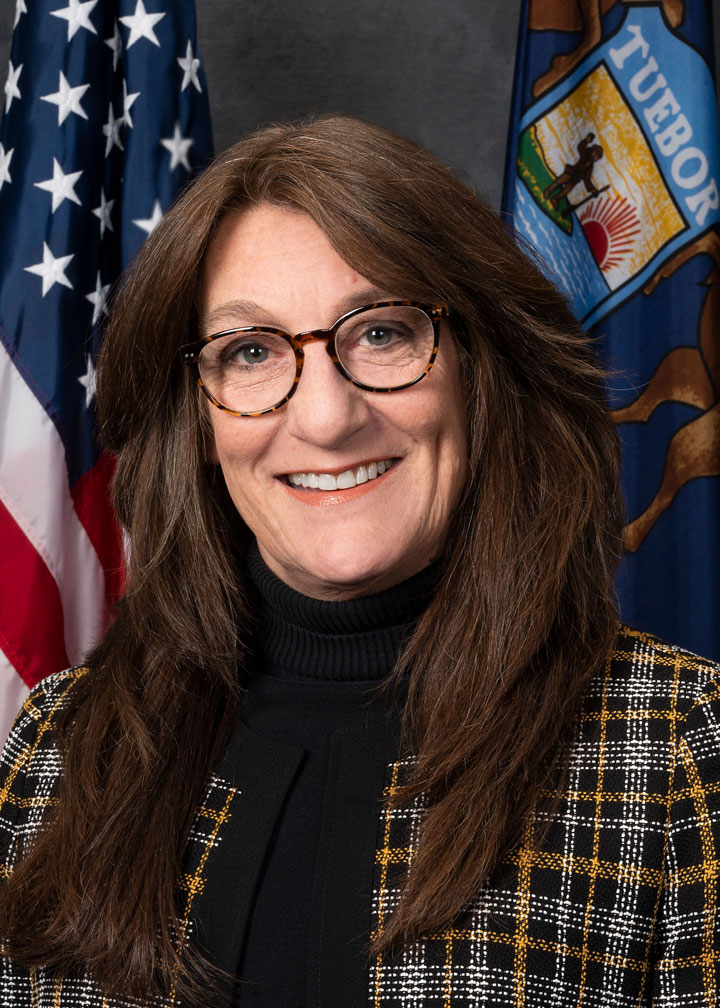
Veronica Klinefelt
Veronica Klinefelt Senate · District 11
D
Strong +
96% 60
Winnie Brinks
Winnie Brinks Senate · District 29
D
Strong +
93% 64
Mallory McMorrow
Mallory McMorrow Senate · District 8
D
Strong +
93% 60
Kevin Hertel
Kevin Hertel Senate · District 12
D
Strong +
93% 63
Jeremy Moss
Jeremy Moss Senate · District 7
D
Strong +
93% 62
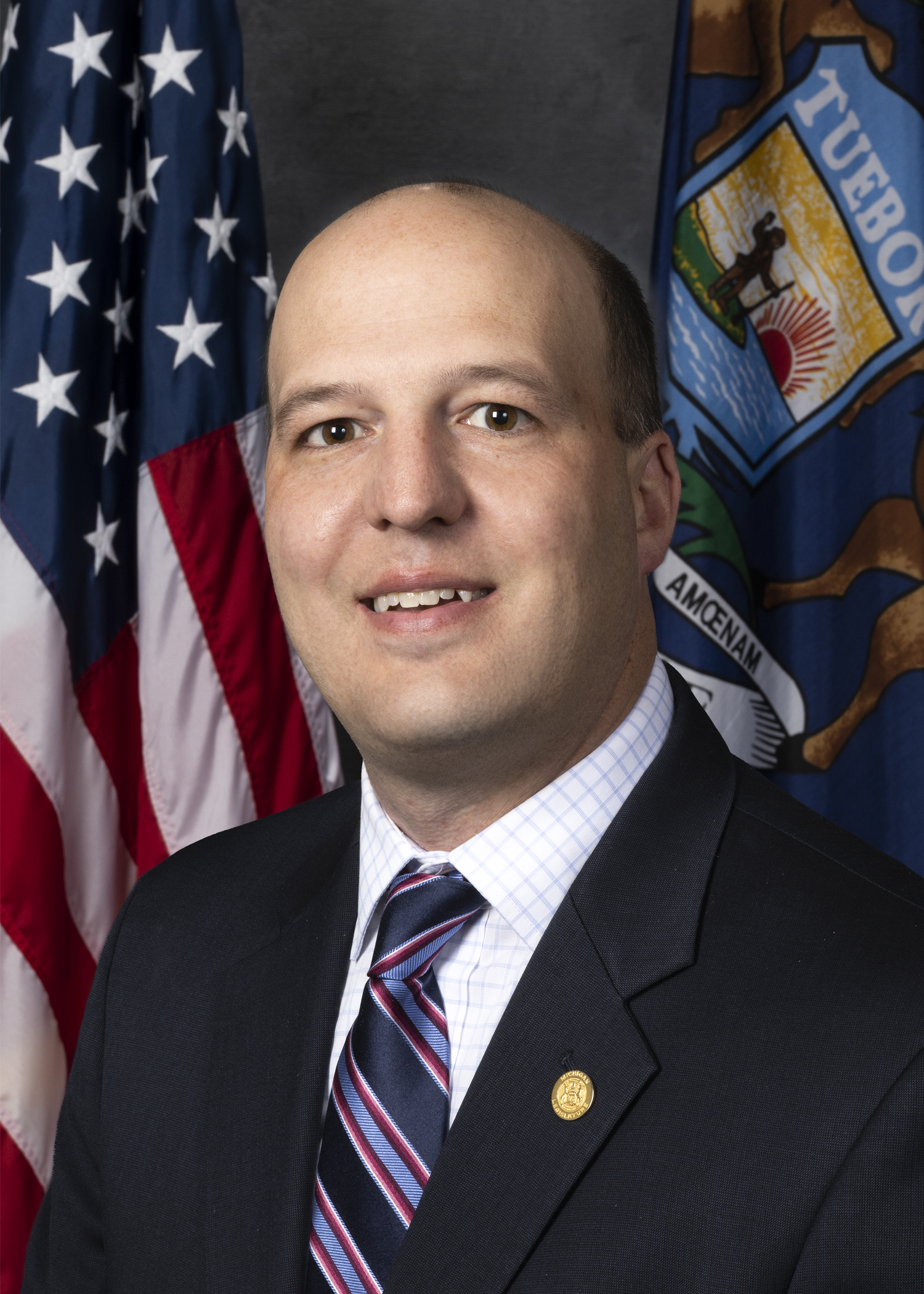
Jim Runestad
Jim Runestad Senate · District 23
R
Strong −
8% 49
Michele Hoitenga
Michele Hoitenga Senate · District 36
R
Strong −
17% 62
Dan Lauwers
Dan Lauwers Senate · District 25
R
Strong −
17% 63
Thomas Albert
Thomas Albert Senate · District 18
R
Strong −
17% 61
Lana Theis
Lana Theis Senate · District 22
R
Strong −
19% 59
Showing 431–440 of 493 bills

All healthcare bills

in committee · Michigan · House May 20, 2025

HB 4496: Insurance: health insurers; coverage for the dispensing of a 12-month supply of birth control; require. Amends 1956 PA 218 (MCL 500.100 - 500.8302) by adding sec. 3406jj.

HB 4496 amends Michigan's insurance code to require health insurance policies to cover a 12-month supply of prescription contraceptives. It mandates that insurers provide coverage for these contraceptives, which are on the health plan's formulary, to be dispensed all at once unless otherwise requested or instructed by a prescriber. The bill also requires coverage for necessary outpatient services related to prescribing or dispensing contraceptives, if other prescription drugs are covered by the policy. While standard cost-sharing like copayments and deductibles can apply, insurers are prohibited from imposing utilization controls that limit the supply to less than 12 months. This measure applies to health insurance policies beginning December 31, 2025.
Sub-Topics Insurance
passed · Michigan · Senate Mar 6, 2025

SB 94: Health: pharmaceuticals; drug manufacturers from engaging in certain conduct with pharmacies participating with a 340B program; prohibit. Amends 1978 PA 368 (MCL 333.1101 - 333.25211) by adding sec. 17757c. TIE BAR WITH: SB 0095'25

SB 94 prohibits drug manufacturers, wholesalers, and distributors from restricting 340B program pharmacies from accessing or receiving 340B drugs, which are discounted medications for safety-net healthcare providers. It requires 340B entities (like community health centers) to submit annual compliance reports starting in 2026, including program audits and community impact details. Additionally, drug manufacturers must report price increases exceeding 15% for drugs costing over $40 per treatment course, including cost data and patent details. These provisions directly affect pharmaceutical companies, participating pharmacies, and healthcare providers enrolled in the federal 340B drug pricing program.
Sub-Topics Prescription Drugs
in committee · Michigan · House Aug 13, 2025

HB 4676: Mental health: guardians; appointing certain guardians after considering least restrictive means; require. Amends sec. 602 of 1974 PA 258 (MCL 330.1602).

HB 4676 amends Michigan's mental health guardianship law to require courts and guardians to prioritize the "least restrictive means" when appointing guardians for individuals with mental health conditions. This directly affects people needing court-appointed guardianship due to mental health challenges, such as those with severe depression, schizophrenia, or developmental disabilities. The key provision mandates that guardians and courts must first consider less restrictive options - like supported living arrangements or limited guardianship - before imposing full guardianship. This change aims to preserve individual autonomy and minimize unnecessary restrictions on personal decision-making.
Sub-Topics Courts Mental Health
in committee · Michigan · House May 20, 2025

HB 4499: Health: screening; pilot program to assess the effects of PFAS on certain participants; provide for. Amends 1978 PA 368 (MCL 333.1101 - 333.25211) by adding pt. 57A. TIE BAR WITH: HB 4500'25

House Bill 4499 proposes to amend the Public Health Code by establishing a pilot program to assess the effects of perfluoroalkyl and polyfluoroalkyl substances (PFAS). This program would focus on "qualified study participants," defined as individuals who, on or after January 1, 2012, resided in specific counties while under 11 years old and used well water or a public water supply with elevated PFAS levels. The bill defines the criteria for these participants and the population ranges for the "qualified counties." It also outlines the involvement of eligible research institutions and a dedicated PFAS pilot program fund.
Sub-Topics Public Health
passed · Michigan · Senate Apr 17, 2025

SB 32: Insurance: health insurers; provision of information on medical malpractice insurance relating to perinatal care services to the department of health and human services; require on request. Amends sec. 2434 of 1956 PA 218 (MCL 500.2434). TIE BAR WITH: SB 29'25

Senate Bill 32 amends Michigan's insurance code to require insurers offering medical malpractice policies to annually provide specific information. These insurers must submit data about their policies related to perinatal care services to the Department in a manner it determines. Within 60 days, the Department must then forward this information to the Department of Health and Human Services. This data sharing is intended to support a study required under the public health code. The bill will not take effect unless Senate Bill No. 29 also becomes law.
in committee · Michigan · Senate Jun 26, 2025

SB 447: Insurance: insurers; coverage for certain pediatric autoimmune neuropsychiatric disorders; require. Amends 1956 PA 218 (MCL 500.100 - 500.8302) by adding sec. 3406pp.

SB 447 requires Michigan health insurers to cover specific treatments for pediatric autoimmune neuropsychiatric disorders (PANS/PANDAS), including antibiotics, behavioral therapies, immunomodulating medicines, and IVIG therapy. It mandates that coverage for these conditions cannot have higher copays, deductibles, or coinsurance than other treatments, must be authorized promptly for urgent cases, and cannot be denied based on prior treatments or different diagnoses. Insurers must follow evidence-based medical guidelines developed by a consortium of experts when reviewing coverage requests, and the bill specifies standardized ICD-10 coding for billing purposes. This law directly affects children diagnosed with these conditions and all health insurers operating in Michigan, ensuring consistent access to medically necessary care.
Sub-Topics Children's Health
in committee · Michigan · House Jun 10, 2025

HB 4563: Appropriations: department of health and human services; appropriations for fiscal year 2025-2026; provide for. Creates appropriation act.

HB 4563 provides state funding for Michigan's Department of Health and Human Services to operate health and human services programs during fiscal year 2025-2026. It allocates specific budget amounts and outlines how these funds can be spent across existing health initiatives. This bill directly affects the department's ability to deliver state-funded services like Medicaid and public health programs. It does not create new programs or change eligibility rules - it only authorizes the spending of allocated funds.
in committee · Michigan · House May 21, 2025

HB 4038: Insurance: other; allocation of revenue under the insurance provider assessment act; modify. Amends sec. 13 of 2018 PA 175 (MCL 550.1763). TIE BAR WITH: HB 4037'25

HB 4038 amends Michigan's Insurance Provider Assessment Act to redirect funds collected from insurance companies. It specifies that money must be used for: (1) paying Medicaid managed care organizations up to $14 million annually for capitation rates; (2) offsetting lost revenue from health insurance claims assessments ($315 million for 2018-19, $240 million for 2019-20); and (3) funding a health data utility with $6 million in 2026, increasing to $8 million annually starting in 2028 (adjusted for inflation via the Consumer Price Index). The bill ensures these funds remain in a dedicated account and do not lapse to the general fund. This directly affects Medicaid providers, the state treasury, and the health data utility managing public health information.
Sub-Topics Public Health
in committee · Michigan · House Jul 15, 2025

HB 4723: Health facilities: other; licensure of supplemental nursing services agencies; provide for. Amends secs. 20106, 20109, 20155 & 20161 of 1978 PA 368 (MCL 333.20106 et seq.) & adds pt. 219A.

HB 4723 requires supplemental nursing services agencies to obtain state licensure under Michigan's Public Health Code. It directly affects agencies providing temporary or specialized nursing services (like travel nursing or agency staffing) by adding new licensing standards. The bill amends sections 20106, 20109, 20155, and 20161 of the Public Health Code and creates a new Part 219A to establish these licensing requirements. This is a procedural change focused on regulating how these agencies operate, not on patient care outcomes or funding. The bill was introduced on July 1, 2025, and referred to the Health Policy Committee.
in committee · Michigan · Senate Sep 17, 2025

SB 551: Human services: medical services; exemption of certain prescription drugs for the treatment or management of pain from the medical assistance prior authorization process; provide for. Amends sec. 109h of 1939 PA 280 (MCL 400.109h) & adds sec. 109v.

SB 551 requires Michigan's Medicaid program to cover non-opioid prescription drugs used for pain management without prior authorization, adding them to the preferred drug list within 90 days. It directly affects Medicaid patients seeking pain treatment and healthcare providers prescribing these medications. The bill prevents discriminatory coverage by ensuring non-opioid pain drugs aren't subject to stricter approval rules than opioid alternatives. This policy change streamlines access to non-opioid options under the medical assistance program.
Showing 431 to 440 of 493 bills
Previous 1 43 44 45 50 Next