Issue · Healthcare

Healthcare

Every healthcare bill, vote, and legislator stance in Michigan, automatically classified by Maddy, our AI policy reader.

Total bills
493
2025-2026 Regular Session
Top supporter
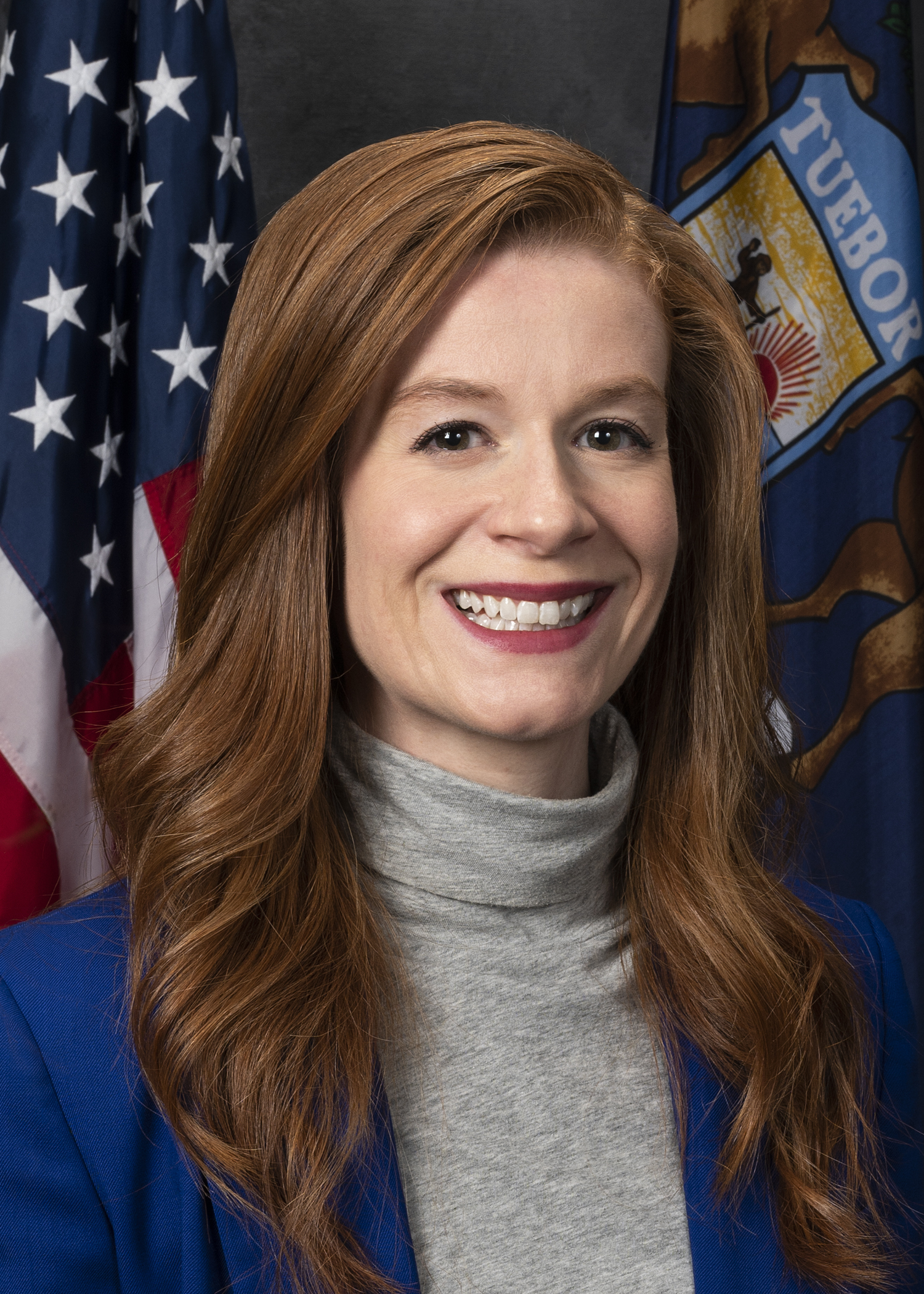
Veronica Klinefelt
96% support rate
Top opponent
Jim Runestad
8% support rate
Ranked legislators
10
5 support · 5 oppose
Key legislators

Who's moving healthcare in Michigan

Legislators moving healthcare in Michigan
Legislator Party Stance Support rate Decisive votes
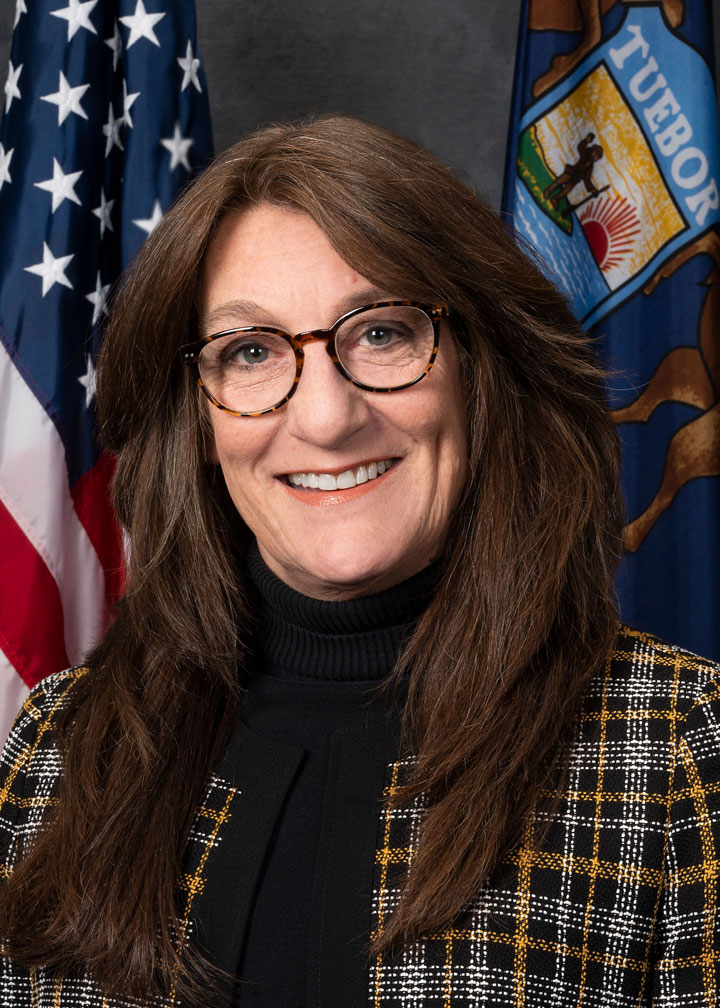
Veronica Klinefelt
Veronica Klinefelt Senate · District 11
D
Strong +
96% 27
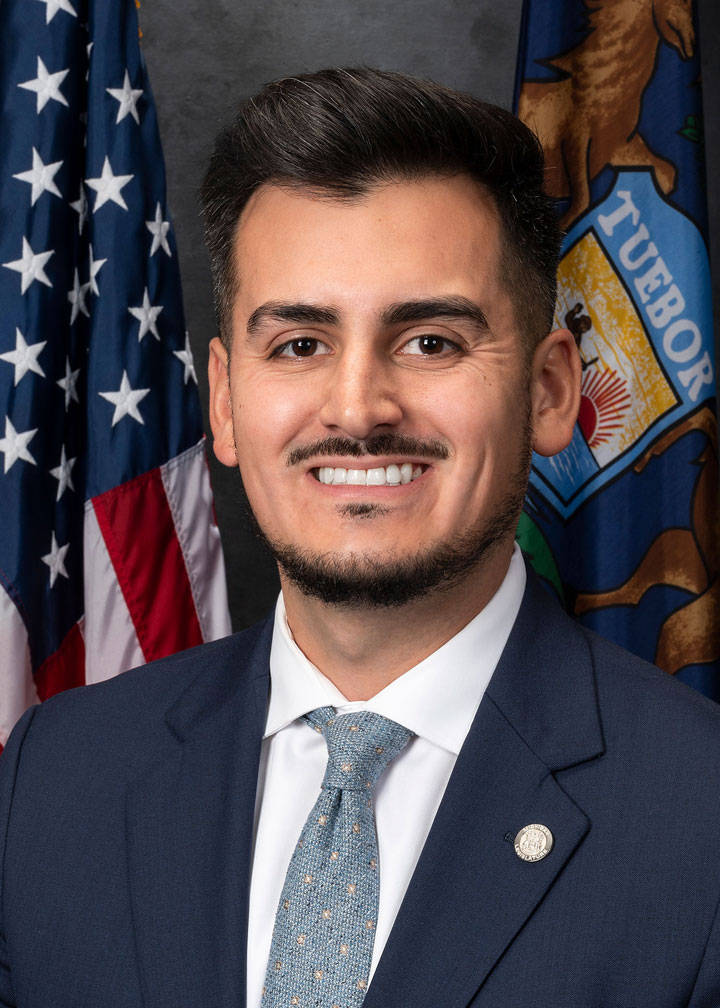
Darrin Camilleri
Darrin Camilleri Senate · District 4
D
Strong +
93% 30
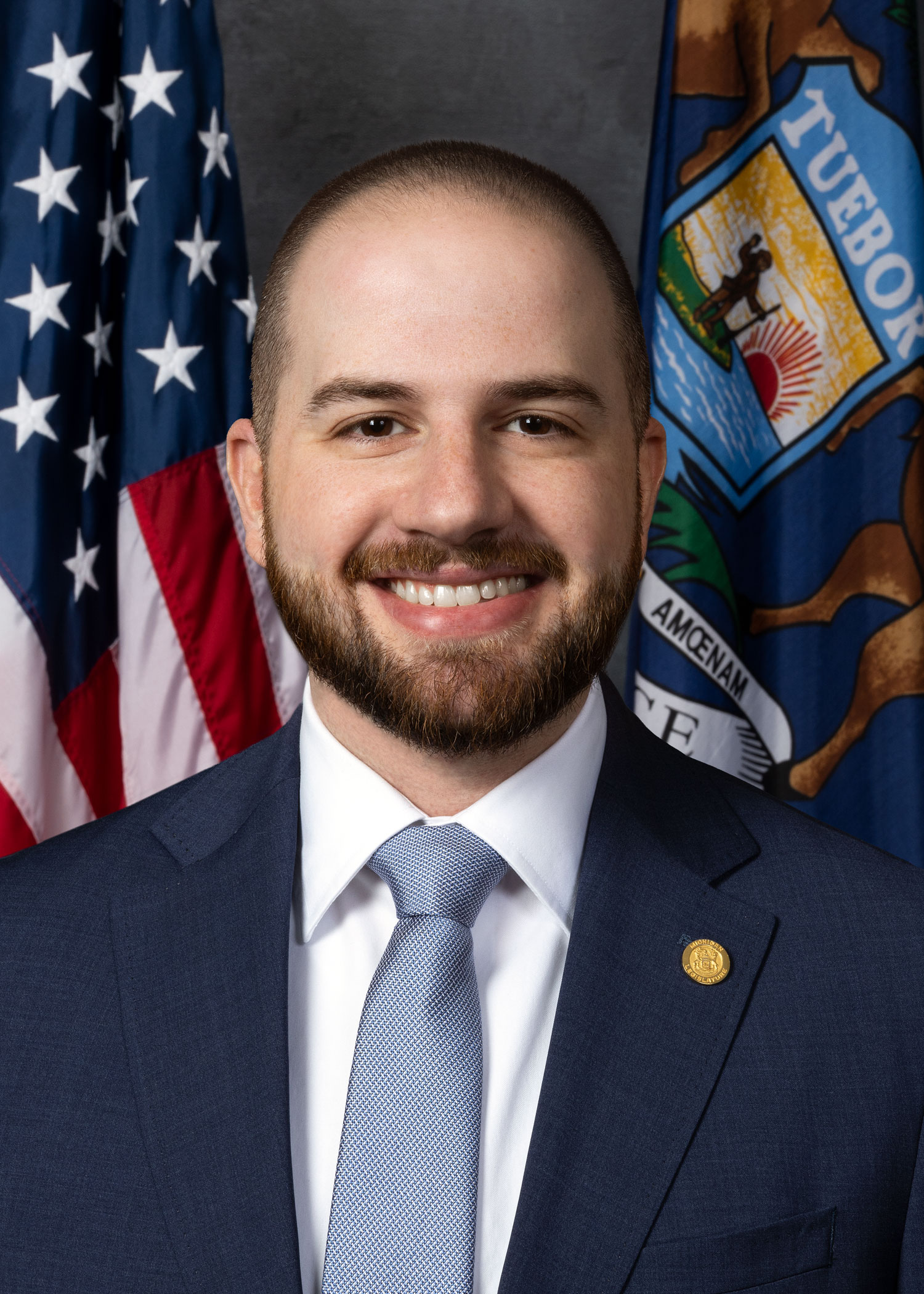
Jeremy Moss
Jeremy Moss Senate · District 7
D
Strong +
93% 30
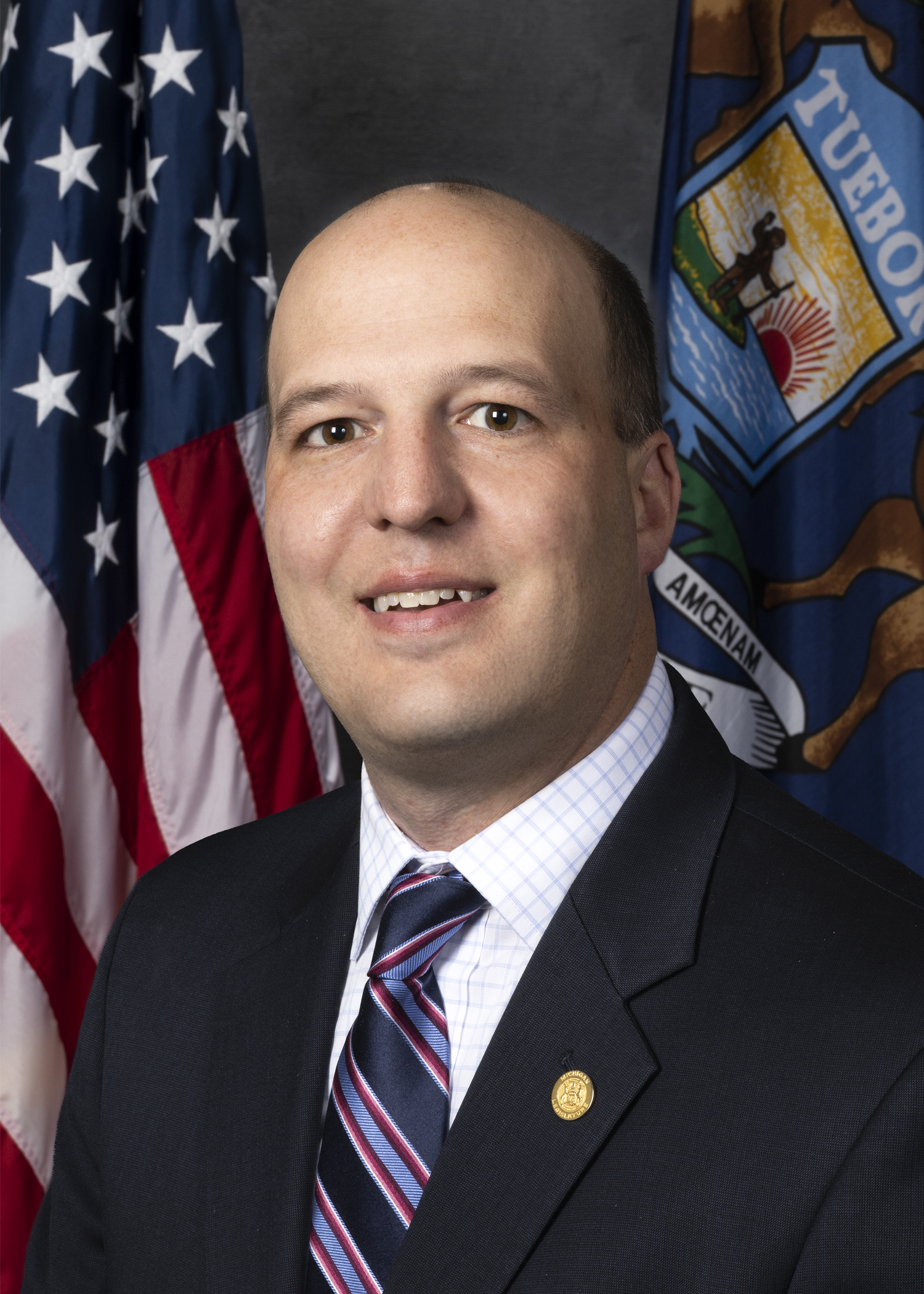
Kevin Hertel
Kevin Hertel Senate · District 12
D
Strong +
93% 30
Mallory McMorrow
Mallory McMorrow Senate · District 8
D
Strong +
93% 30
Jim Runestad
Jim Runestad Senate · District 23
R
Strong −
8% 24
Michele Hoitenga
Michele Hoitenga Senate · District 36
R
Strong −
17% 30
Dan Lauwers
Dan Lauwers Senate · District 25
R
Strong −
17% 29
Thomas Albert
Thomas Albert Senate · District 18
R
Strong −
17% 29
Lana Theis
Lana Theis Senate · District 22
R
Strong −
19% 27
Showing 291–300 of 493 bills

All healthcare bills

in committee · Michigan · House May 20, 2025

HB 4500: Health: screening; pilot program to assess the effects of PFAS on certain participants; provide for. Amends 1978 PA 368 (MCL 333.1101 - 333.25211) by adding secs. 5753, 5755, 5757, 5759 & 5761 to pt. 57A. TIE BAR WITH: HB 4499'25

House Bill 4500 establishes a grant program for a research institution to conduct a pilot program in Michigan. This program aims to assess the levels of PFAS (per- and polyfluoroalkyl substances) in the blood of qualified participants and study their health effects. A dedicated PFAS pilot program fund will be created to cover grants, blood testing, and the development of educational materials. The Department of Health will oversee the program, select the research institution, and submit reports to the legislature on the program's findings and recommendations.
in committee · Michigan · House Jun 4, 2025

HB 4534: Criminal procedure: mental capacity; assisted outpatient treatment diversion program for certain patients with mental illness; provide for. Amends sec. 461 of 1974 PA 258 (MCL 330.1461) & adds sec. 1021 & ch. 10A. TIE BAR WITH: HB 4532'25, HB 4533'25, HB 4535'25

HB 4534 creates a diversion program allowing misdemeanor defendants with mental illness to receive outpatient treatment instead of criminal prosecution for certain offenses, including crimes against health professionals (MCL 750.81d). It requires a court assessment by a qualified health professional to determine eligibility, after which the defendant may be diverted into up to 90 days of outpatient treatment for standard misdemeanors or 180 days for "serious misdemeanors." Charges remain pending but must be dismissed 90 or 180 days after the treatment order, unless the defendant fails to comply with the treatment plan, which triggers civil proceedings under existing mental health code sections. The program directly affects defendants facing misdemeanor charges who meet clinical criteria for mental health treatment diversion.
in committee · Michigan · House Jun 10, 2025

HB 4553: Education: attendance; promulgation of certain rules that are more stringent than the requirements for claiming exemption from immunizations; prohibit. Amends sec. 1177 of 1976 PA 451 (MCL 380.1177). TIE BAR WITH: HB 4552'25

HB 4553 strengthens Michigan school immunization requirements by prohibiting schools from accepting less stringent exemption rules than state standards. It requires children enrolling in public or nonpublic schools (or entering grade 7 for the first time) to submit one of three documents: a physician’s immunization statement, a parent/guardian religious exemption form, or a physician’s compliance-in-progress statement. The bill also mandates annual reporting of student immunization and vision screening status (for kindergarten) to health departments. It directly affects all Michigan schools, parents/guardians of enrolled students, and local health departments responsible for data reporting. The bill is tied to companion legislation (HB 4552) and is currently in committee referral.
Sub-Topics K-12 Education
in committee · Michigan · Senate Jun 10, 2025

SB 386: Civil procedure: civil actions; action for medical monitoring for individuals exposed to a proven toxic substance; provide for. Amends secs. 20126 & 20140 of 1994 PA 451 (MCL 324.20126 & 324.20140) & adds sec. 20136.

SB 386 creates a new legal pathway for individuals exposed to a proven toxic substance to seek medical monitoring through civil court. It directly affects people who have been exposed to toxic substances, allowing them to file claims for monitoring services to detect potential health impacts. The bill amends Michigan's Natural Resources and Environmental Protection Act by adding Section 20136, which establishes this right without requiring proof of current illness. Key provisions clarify that exposure must be linked to a specific toxic substance and that medical monitoring must be medically necessary. The law does not change existing liability rules for environmental cleanup but adds a specific remedy for exposed individuals.
in committee · Michigan · Senate Jun 11, 2025

SB 412: Health facilities: nursing homes; electronic monitoring devices in nursing homes; allow under certain circumstances. Amends secs. 21702 & 21703 of 1978 PA 368 (MCL 333.21702 & 333.21703) & adds secs. 21788, 21788a, 21788b, 21788c, 21788d, 21788e, 21788f, 21788g, 21788h & 21788i.

SB 412 allows nursing home residents to request and install cameras or recording devices in their rooms for personal monitoring, provided they submit a written request on a specific form. Nursing homes must permit this if the resident or their representative (with proper consent procedures) requests it. For residents unable to consent, their representative must obtain a professional assessment, explain monitoring details, and document the resident’s agreement. Roommates must also provide written consent if sharing a room. The bill prohibits nonconsensual recording of private communications or still photos.
Sub-Topics Long-Term Care
passed both · Michigan · House Jun 12, 2025

HB 4246: Health occupations: nurses; nurse licensure compact; enact. Amends secs. 16170a, 16222, 16231, 16238 & 17201 of 1978 PA 368 (MCL 333.16170a et seq.) & adds secs. 16187, 17225 & 17225a.

HB 4246 enacts Michigan's participation in the Nurse Licensure Compact, allowing nurses licensed in Michigan to practice in other participating states without obtaining separate licenses. The compact establishes mutual recognition of nursing licenses across states, facilitating easier interstate practice for registered and licensed practical nurses. It includes mechanisms for sharing information about nurse licensure and disciplinary actions to maintain public safety and consistent practice standards. This bill directly affects nurses seeking to work across state lines and the Michigan Board of Nursing, which will implement the compact's requirements.
passed · Michigan · Senate May 14, 2025

SB 180: Appropriations: department of health and human services; appropriations for fiscal year 2025-2026; provide for. Creates appropriation act.

SB 180 is a funding bill that allocates $39.29 billion to Michigan's Department of Health and Human Services (DHHS) for the 2025-2026 fiscal year. It provides specific funding for key programs including $276 million for department administration and management, $195 million for child support enforcement operations, and $197 million for community services like homeless programs, diaper assistance, and housing support. The bill directly affects DHHS operations and the state's recipients of these services, such as families using child support enforcement, homeless individuals accessing shelter programs, and low-income households receiving food or housing aid. It establishes the financial framework for these programs but does not change their underlying policies or eligibility rules.
failed · Michigan · Senate Mar 18, 2026

SB 303: Health occupations: physicians; interstate medical licensure compact; update. Amends 1978 PA 368 (MCL 333.1101 - 333.25211) by adding sec. 16189.

SB 303 would allow Michigan to join the Interstate Medical Licensure Compact, enabling physicians licensed in Michigan to more easily obtain full licenses to practice medicine in other participating states. The bill creates a streamlined process for physicians with a "state of principal license" (typically their primary practice state) to get an "expedited license" in other compact states, without repeating full licensing exams or background checks. It requires physicians to meet specific standards, such as holding a full, unrestricted license in their principal state, having no criminal convictions, and not being under active investigation. This change directly affects physicians seeking to practice across state lines and aims to improve healthcare access by making it easier for doctors to serve patients in multiple states. The compact does not alter existing state medical practice laws but provides an additional pathway for licensure.
Sub-Topics Medical Licensing
passed · Michigan · House Jun 25, 2025

HB 4558: Health: occupations; examination and evaluation for purchase of contact lenses; allow to be in person or by telemedicine. Amends secs. 5553, 5555, 5557 & 5561 of 1978 PA 368 (MCL 333.5553 et seq.) & adds secs. 5560 & 5562.

HB 4558 allows contact lens examinations and evaluations to be conducted via telemedicine (e.g., video call) in addition to in-person visits, but only under specific conditions. It requires that patients have had an in-person exam within the past two years, maintains the same standard of care as in-person visits, and prohibits telemedicine for initial prescriptions or changes to refractive power. The bill affects contact lens patients, optometrists, and ophthalmologists who write prescriptions, ensuring telemedicine options are available for renewals without compromising safety. Existing requirements for valid prescriptions - including detailed information, expiration dates, and provider credentials - remain unchanged.
Sub-Topics Telehealth
passed both · Michigan · House Jul 1, 2025

HB 4417: Health occupations: emergency medical services personnel; access to opioid antagonists; provide to life support agencies under certain circumstances. Amends 1978 PA 368 (MCL 333.1101 - 333.25211) by adding sec. 20911.

HB 4417 requires Michigan's state department to provide opioid antagonists (like naloxone) at no cost to life support agencies - such as ambulance services - when requested. This directly affects emergency medical services (EMS) providers operating life support vehicles, ensuring these vehicles are equipped to respond to opioid overdoses. The bill amends Michigan's Public Health Code to mandate this free distribution, streamlining access for first responders. It focuses on concrete policy change: making overdose-reversal medications readily available in emergency vehicles without cost to EMS agencies.
Showing 291 to 300 of 493 bills
Previous 1 … 29 30 31 … 50 Next