Issue · Healthcare

Healthcare

Every healthcare bill, vote, and legislator stance in Michigan, automatically classified by Maddy, our AI policy reader.

Total bills
530
2025-2026 Regular Session
Top supporter
Veronica Klinefelt
96% support rate
Top opponent
Jim Runestad
8% support rate
Ranked legislators
10
5 support · 5 oppose
Key legislators

Who's moving healthcare in Michigan

Legislators moving healthcare in Michigan
Legislator Party Stance Support rate Votes
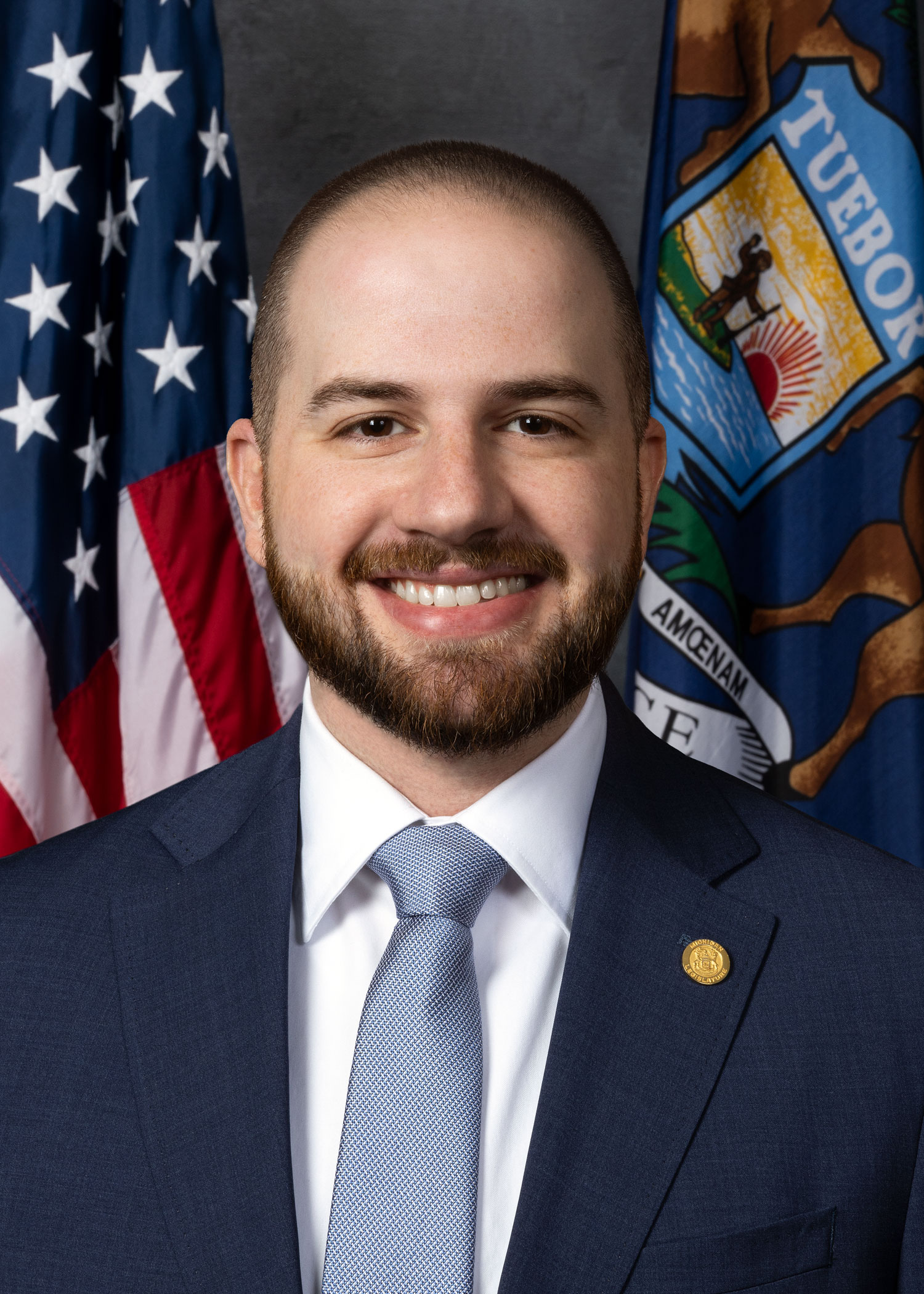
Veronica Klinefelt
Veronica Klinefelt Senate · District 11
D
Strong +
96% 60
Winnie Brinks
Winnie Brinks Senate · District 29
D
Strong +
93% 64
Mallory McMorrow
Mallory McMorrow Senate · District 8
D
Strong +
93% 60
Kevin Hertel
Kevin Hertel Senate · District 12
D
Strong +
93% 63
Jeremy Moss
Jeremy Moss Senate · District 7
D
Strong +
93% 62
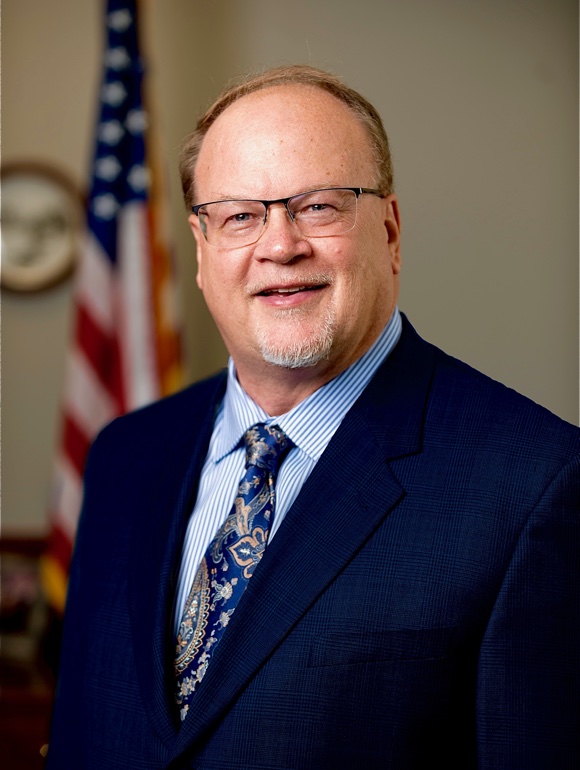
Jim Runestad
Jim Runestad Senate · District 23
R
Strong −
8% 49
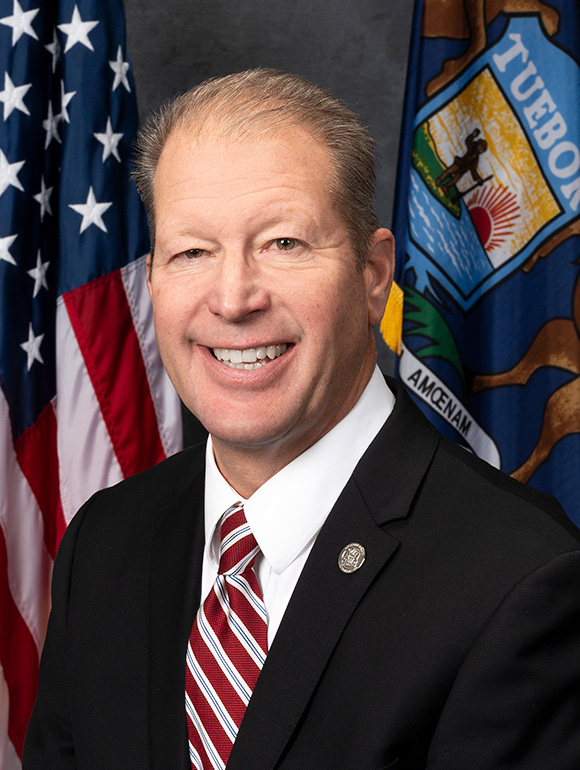
Michele Hoitenga
Michele Hoitenga Senate · District 36
R
Strong −
17% 62
Dan Lauwers
Dan Lauwers Senate · District 25
R
Strong −
17% 63
Thomas Albert
Thomas Albert Senate · District 18
R
Strong −
17% 61
Lana Theis
Lana Theis Senate · District 22
R
Strong −
19% 59
Showing 21–30 of 530 bills

All healthcare bills

in committee · Michigan · House Jul 14, 2026

HB 6212: Insurance: health benefits; application of amount paid by the insured or other certain parties when calculating the insured’s co-pay for a prescription drug; require under certain conditions. Amends 1956 PA 218 (MCL 500.100 - 500.8302) by adding sec. 3406nn.

This bill requires health insurance plans in Michigan to count payments made by patients or on their behalf toward out-of-pocket maximums and cost-sharing requirements for prescription drugs. The rule applies to both standard plans and high-deductible plans, with a specific exception for high-deductible plans where counting such payments would disqualify a patient's health savings account. The legislation takes effect for policies delivered, issued, or renewed in the state after December 31, 2025.
in committee · Michigan · Senate Jul 15, 2026

SB 1116: Mental health: recipient rights; rights violations investigations; modify. Amends sec. 778 of 1974 PA 258 (MCL 330.1778).

This bill updates Michigan's mental health code to establish stricter timelines and reporting requirements for investigating complaints about rights violations in mental health facilities. It mandates that investigations into abuse, neglect, serious injury, or death must begin within 24 hours and be completed within 90 days, while requiring the office to send written status updates every 30 days to all parties involved. The legislation also clarifies that investigations will use a "preponderance of the evidence" standard to determine if rights were violated and allows for reopening cases if new evidence emerges. These changes directly affect the state mental health office, mental health agencies, and individuals filing complaints on behalf of recipients.
Sub-Topics Mental Health
in committee · Michigan · Senate Jul 15, 2026

SB 1108: Health occupations: counselors; references to limited license counselors and relicensure requirements; modify. Amends secs. 16281, 16905, 18101, 18105, 18106, 18111, 18114 & 18117 of 1978 PA 368 (MCL 333.16281 et seq.). TIE BAR WITH: SB 1107'26

This bill modifies Michigan's Public Health Code to update how limited license counselors are defined and to clarify relicensure requirements for health occupations. It specifically revises sections related to the practice of counseling, including definitions of clinical methods and the scope of services provided by licensed and limited license counselors. The legislation also adjusts provisions regarding the release of medical records during child abuse investigations and clarifies when certain professional privileges do not apply. These changes aim to align the state's regulations with current standards for counseling practices and ensure clear guidelines for professionals in the field.
Sub-Topics Public Health
in committee · Michigan · Senate Jul 15, 2026

SB 1094: Health occupations: psychologists; relicensure to serve as renewal; allow. Amends sec. 18223 of 1978 PA 368 (MCL 333.18223).

Senate Bill 1094 amends Michigan's Public Health Code to update the relicensure rules for licensed psychologists. The bill allows individuals holding a master's degree in psychology to apply for a limited license, provided they have at least one year of supervised postgraduate experience in a healthcare setting. These limited licenses can be renewed and include specific restrictions, such as requiring supervision by a fully licensed psychologist and prohibiting public advertising that suggests independent practice. Additionally, the bill clarifies how temporary licenses for students and those gaining experience count toward renewal requirements.
Sub-Topics Public Health
in committee · Michigan · Senate Jul 15, 2026

SB 1110: Health: licensing; name requirements for licensure; provide for. Amends sec. 16177 of 1978 PA 368 (MCL 333.16177).

This bill updates Michigan's public health code to standardize the information required on professional licensure and renewal applications for healthcare workers. It mandates that applicants provide their full legal name and Social Security number, while ensuring these numbers are not printed on the final license or registration certificate. The legislation also expands disclosure requirements by asking applicants to report felony convictions, specific misdemeanor offenses, out-of-state disciplinary actions, hospital employment details, and written policies for medical record management. Exceptions are made for individuals who are legally exempt from obtaining a Social Security number or who have religious objections to disclosing it.
Sub-Topics Hospitals Medical Licensing Public Health Tags Licensing
in committee · Michigan · Senate Jul 15, 2026

SB 1118: Mental health: recipient rights; retention of monitoring reports; require. Amends secs. 700 & 754 of 1974 PA 258 (MCL 330.1700 & 330.1754).

SB 1118 amends Michigan's mental health code to clarify definitions of criminal abuse and establish a dedicated state office of recipient rights. This new office will operate independently within the department to protect the rights of individuals receiving mental health services, ensuring they have access to programs, staff, and evidence needed for thorough investigations. The bill also mandates that both the office and all service providers receive annual training on recipient rights protection and requires measures to prevent retaliation against those who report violations. By strengthening oversight and accountability, the legislation aims to create a safer environment for mental health recipients while maintaining impartial monitoring of care facilities.
Sub-Topics Mental Health
in committee · Michigan · Senate Jul 15, 2026

SB 1119: Mental health: community mental health; retention of certain review information; require. Amends sec. 232a of 1974 PA 258 (MCL 330.1232a) & adds sec. 137b.

SB 1119 requires the Michigan Department of Health and Human Services to conduct annual reviews and on-site inspections every three years of psychiatric hospitals and community mental health programs to ensure they follow recipient rights standards. These reviews will involve checking complaint logs, interviewing staff, and assessing policies, with detailed reports made public on the department's website and shared with legislative committees. The bill also mandates that programs provide specific documentation before inspections and allows the department to deny certification if standards are not met. By adding new sections to the state's mental health code, the legislation aims to increase transparency and accountability in how these facilities protect the rights of their patients.
Sub-Topics Mental Health
in committee · Michigan · Senate Jul 15, 2026

SB 1120: Mental health: recipient rights; members employed by the community mental health service; prohibit from serving on the recipient rights advisory committee. Amends sec. 757 of 1974 PA 258 (MCL 330.1757).

This bill prohibits individuals who are current or former board members of community mental health services programs or regional entities, along with their family members, from serving on recipient rights advisory committees. The law aims to reduce conflicts of interest by ensuring that these committees, which advise on recipient rights and handle appeals, are composed of people without prior administrative ties to the organizations they oversee. While the bill does not change the committee's duties or meeting requirements, it clarifies eligibility rules to maintain impartiality in the mental health system.
Sub-Topics Mental Health
in committee · Michigan · House Jul 14, 2026

HB 6155: Health occupations: nurses; intravenous therapy procedures; allow licensed practical nurses to perform under certain circumstances. Amends 1978 PA 368 (MCL 333.1101 - 333.25211) by adding sec. 17227.

This bill allows licensed practical nurses in Michigan to perform specific intravenous therapy procedures under certain conditions. To qualify, a nurse must complete a board-approved course of at least 20 hours and work under the supervision of a registered nurse, physician, or dentist. The permitted tasks include inserting peripheral IV lines in the hand, forearm, or antecubital area, starting and maintaining fluid infusions, administering IV antibiotics, and monitoring IV sites for complications. However, the law explicitly prohibits licensed practical nurses from handling central lines, blood products, chemotherapy, or total parenteral nutrition.
in committee · Michigan · Senate Jul 15, 2026

SB 1109: Health: licensing; requirement for working knowledge of the English language; eliminate for health professional licenses and registrations. Amends secs. 16174 & 17062 of 1978 PA 368 (MCL 333.16174 & 333.17062).

This bill removes the requirement for health professionals in Michigan to demonstrate a working knowledge of the English language as a condition for obtaining or maintaining a license. It directly affects individuals seeking licensure or registration in health professions by eliminating the specific clause that mandated this language proficiency. The change is made by deleting the relevant provision from the Public Health Code, ensuring that future rules cannot be created to reinstate this requirement. The bill does not alter other existing licensing standards such as age, education, or criminal background checks.
Showing 21 to 30 of 530 bills
Previous 1 2 3 4 53 Next