Issue · Education

Education (Curriculum)

Every education bill, vote, and legislator stance in Michigan, automatically classified by Maddy, our AI policy reader.

Total bills
6
2025-2026 Regular Session
Top supporter
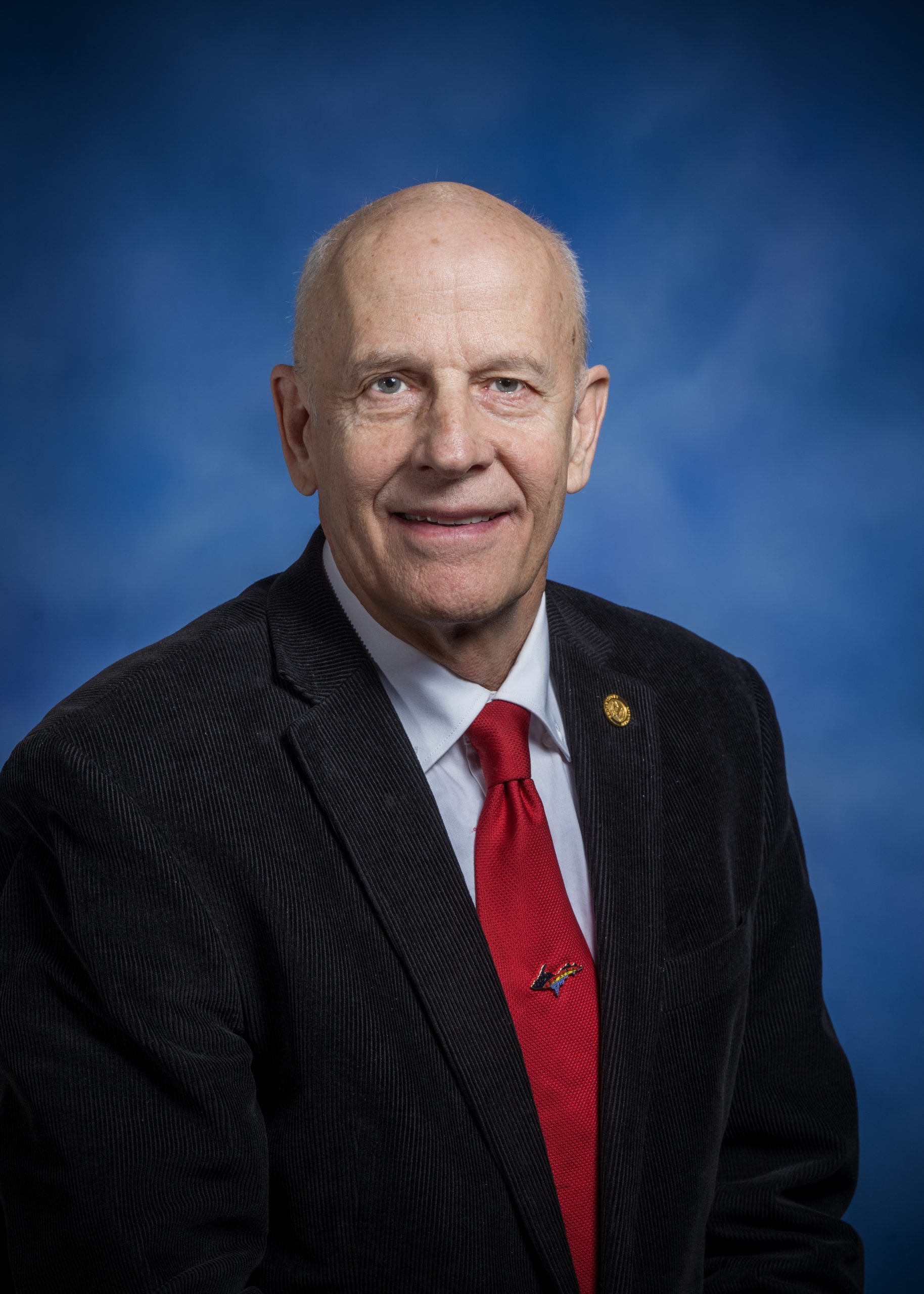
Karl Bohnak
90% support rate
Top opponent
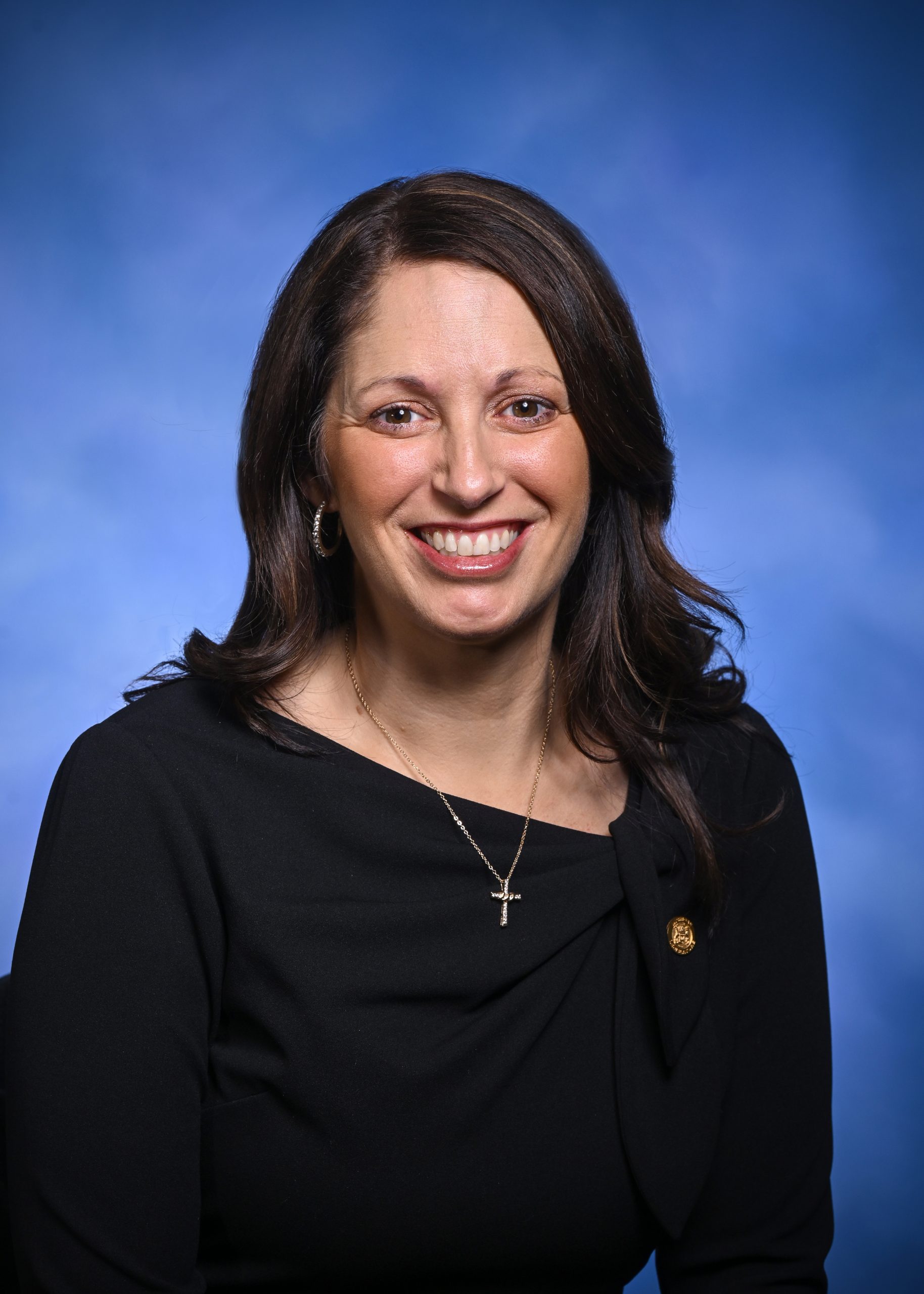
Cynthia Neeley
22% support rate
Ranked legislators
10
5 support · 5 oppose
Key legislators

Who's moving curriculum in Michigan

Legislators moving curriculum in Michigan
Legislator Party Stance Support rate Votes
Karl Bohnak
Karl Bohnak House · District 109
R
Strong +
90% 10
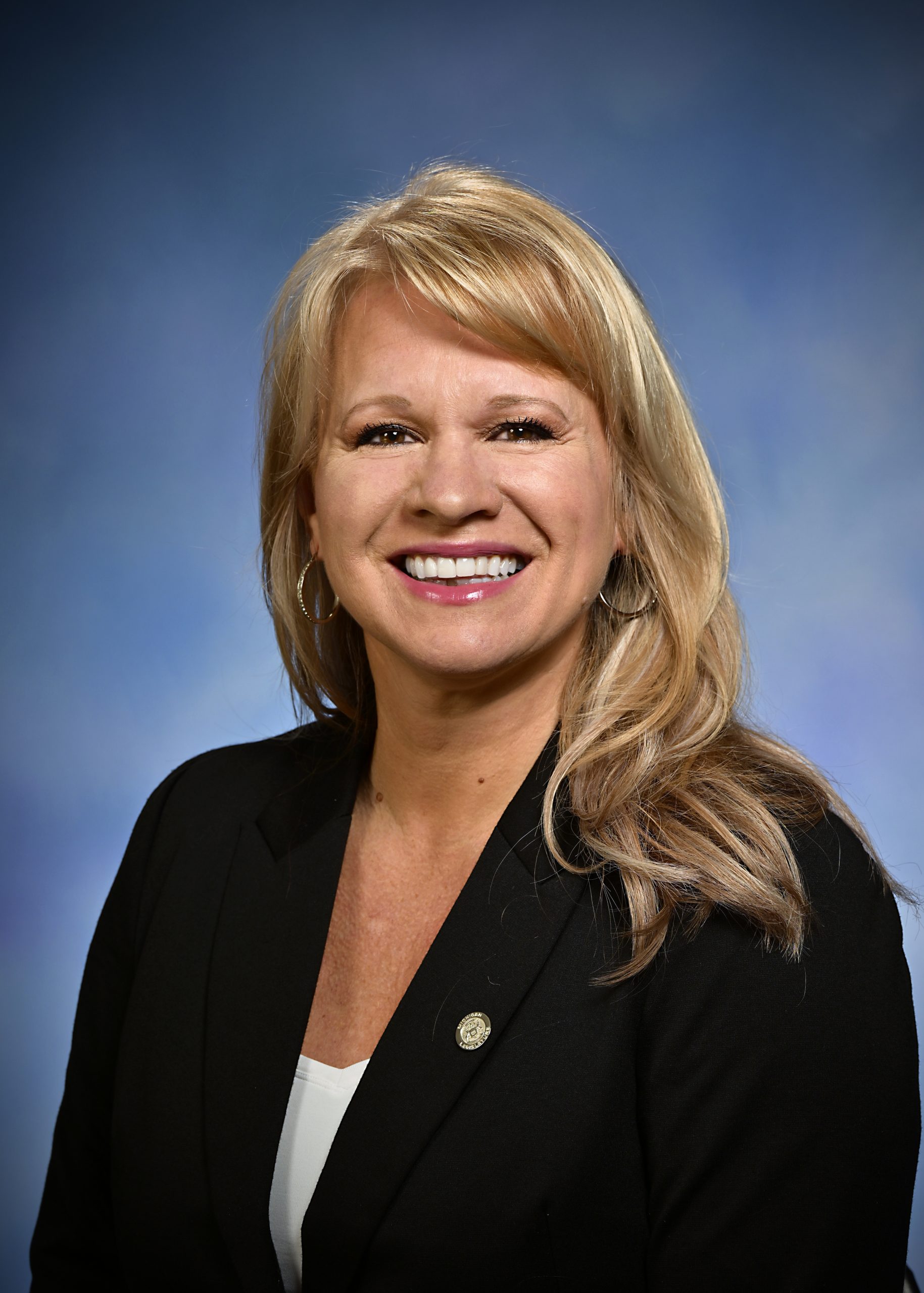
Jennifer Wortz
Jennifer Wortz House · District 35
R
Strong +
89% 9
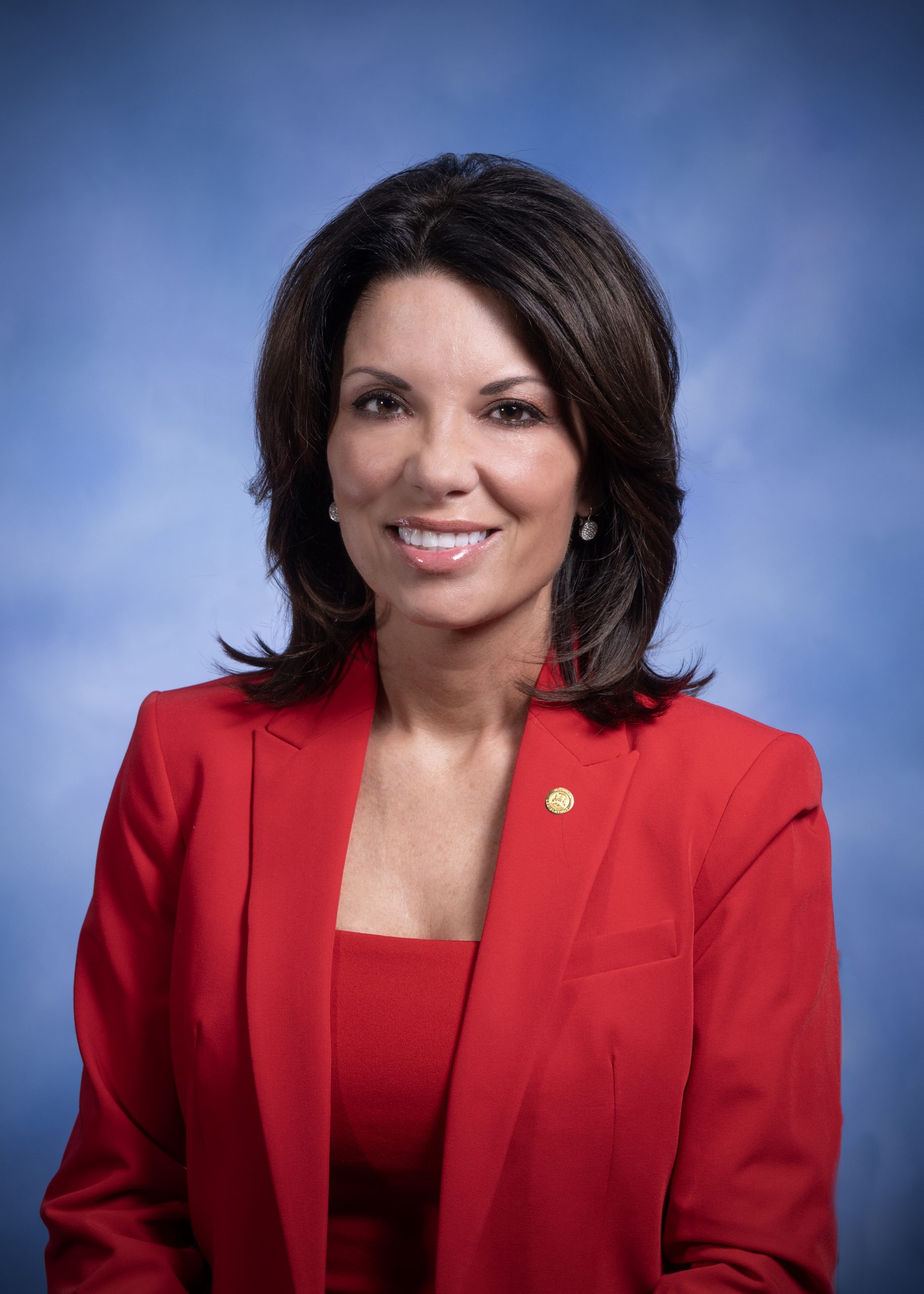
Alicia St. Germaine
Alicia St. Germaine House · District 62
R
Strong +
80% 10
Angela Rigas
Angela Rigas House · District 79
R
Strong +
80% 10
Brad Slagh
Brad Slagh House · District 85
R
Strong +
80% 10
Cynthia Neeley
Cynthia Neeley House · District 70
D
Oppose
22% 9
Carrie Rheingans
Carrie Rheingans House · District 47
D
Oppose
30% 10
Donavan McKinney
Donavan McKinney House · District 11
D
Oppose
30% 10
Dylan Wegela
Dylan Wegela House · District 26
D
Oppose
30% 10
Emily Dievendorf
Emily Dievendorf House · District 77
D
Oppose
30% 10
Showing 6 of 6 bills

All education bills

in committee · Michigan · House Dec 17, 2025

HB 5363: Education: curriculum; parental opt-out option for instruction in sex education; require. Amends sec. 1507 of 1976 PA 451 (MCL 380.1507).

HB 5363 requires Michigan public schools to notify parents in advance if their child’s class covers topics like gender identity, sexual orientation, or relationships, and allows parents to opt their child out without penalty. It mandates that schools form parent-led advisory boards (with at least half non-school-employed parents) to review curriculum and report on program goals. The bill also requires public hearings before changing sex education materials and emphasizes abstinence as a primary method for preventing pregnancy and STDs. This directly affects public school students, parents/guardians, and school districts in Michigan.
Sub-Topics Curriculum
passed both · Michigan · House Mar 10, 2026

HB 5364: Education: other; revision to state academic standards; require approval of the legislature for. Amends sec. 1278 of 1976 PA 451 (MCL 380.1278).

HB 5364 requires Michigan's state board of education to obtain legislative approval - via a concurrent resolution from both the state Senate and House - before revising the state's recommended academic curriculum standards. The bill directly affects school districts, the state board, and legislators by preventing changes to standards without formal legislative consent. Key provisions include prohibiting standards from including "attitudes, beliefs, or value systems" unrelated to academic learning, while maintaining existing requirements for standards covering subjects like history (including genocide education) and assessments focused solely on academic skills. The bill does not alter current standards but changes the process for future updates. It is currently pending in the House Committee on Education and Workforce.
in committee · Michigan · Senate Mar 5, 2025

SB 119: Education: curriculum; biology content standards and subject area content expectations and guidelines; modify to require instruction on human development. Amends 1976 PA 451 (MCL 380.1 - 380.1852) by adding sec. 1170c.

SB 119 requires Michigan public schools to include specific content about human development in biology curriculum by the 2025-2026 school year. It mandates that biology standards cover: (1) an overview of fetal development inside the uterus, (2) a minimum 3-minute high-definition ultrasound video showing early organ development, and (3) a computer animation depicting all stages of fetal growth with key developmental markers. This applies directly to Michigan public schools and biology teachers implementing the state’s required curriculum standards. The bill modifies existing education code sections to enforce these specific instructional requirements.
Sub-Topics Curriculum
passed both · Michigan · House May 13, 2025

HB 4238: Education: other; certain programs and agreements between public schools and foreign countries of concern; regulate. Amends 1976 PA 451 (MCL 380.1 - 380.1852) by adding sec. 1346.

HB 4238 prohibits Michigan public schools from entering agreements or accepting grants from specific "foreign countries of concern" (including China, Russia, Iran, North Korea, Cuba, Venezuela, and Syria) that would control curriculum, restrict school contracting freedom, or promote agendas harmful to U.S. security. Schools must share cultural exchange agreements with federal security agencies before signing, and federal agencies can block agreements deemed threatening. The law also bans accepting any value conditioned on promoting a foreign country's language or culture. It directly affects all Michigan public schools participating in international programs with the listed countries.
Sub-Topics Curriculum
in committee · Michigan · Senate Oct 16, 2025

SB 614: Education: curriculum; foreign language requirement; remove, and replace with life skill requirement. Amends secs. 1278a, 1278b & 1531f of 1976 PA 451 (MCL 380.1278a et seq.).

SB 614 would replace Michigan's current high school graduation requirement for 2-3 credits in a language other than English (Section 1278a(2)) with a "life skills" requirement. The bill allows students to fulfill this credit through foreign language, fine arts, or career/technical education programs approved by the state. This change directly affects all Michigan high school students seeking diplomas, as it modifies a core graduation standard under the Revised School Code. The bill amends Sections 1278a, 1278b, and 1531f of the 1976 School Code (MCL 380.1278a et seq.).
in committee · Michigan · House Nov 12, 2025

HB 5242: Higher education: other; use of diversity, equity, and inclusion in accreditation decisions; prohibit. Creates new act.

HB 5242 prohibits accrediting agencies from considering diversity, equity, and inclusion (DEI) policies, programs, or practices when making accreditation decisions for Michigan's public and private colleges and universities. The bill directly affects higher education institutions, accrediting agencies, and their students and employees by requiring accreditation decisions to focus solely on academic standards. Key provisions ban agencies from reviewing DEI-related information, collecting such data, or requiring diversity statements, with enforcement through lawsuits by students, employees, or the Attorney General. Violations could result in triple damages, attorney fees, and up to $1,000 per affected student in penalties.