Issue · Criminal Justice

Criminal Justice (Probation & Parole)

Every criminal justice bill, vote, and legislator stance in Michigan, automatically classified by Maddy, our AI policy reader.

Total bills
30
2025-2026 Regular Session
Top supporter
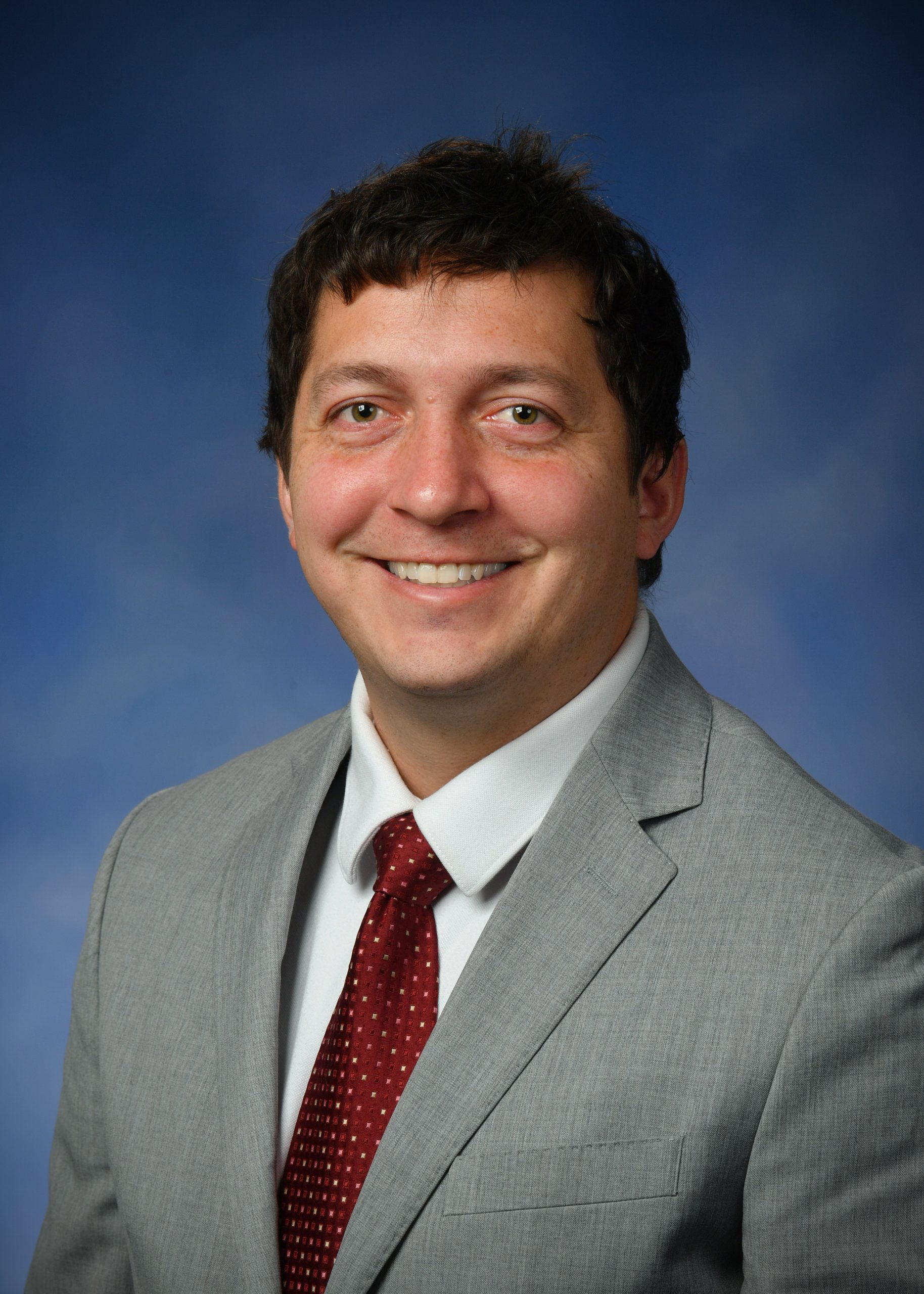
Steve Carra
100% support rate
Top opponent
Carol Glanville
0% support rate
Ranked legislators
10
5 support · 5 oppose
Key legislators

Who's moving probation & parole in Michigan

Legislators moving probation & parole in Michigan
Legislator Party Stance Support rate Votes
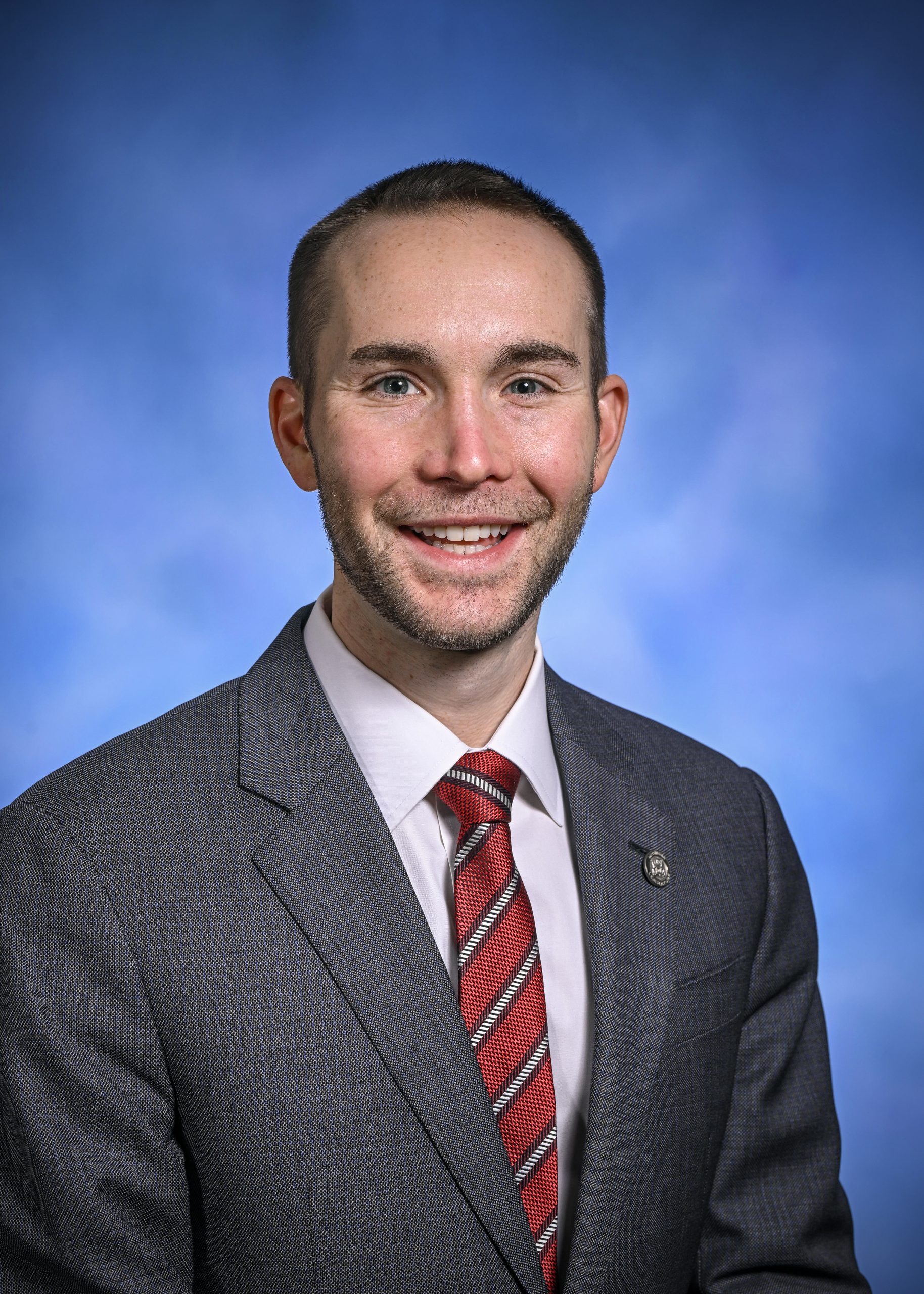
Steve Carra
Steve Carra House · District 36
R
Strong +
100% 3
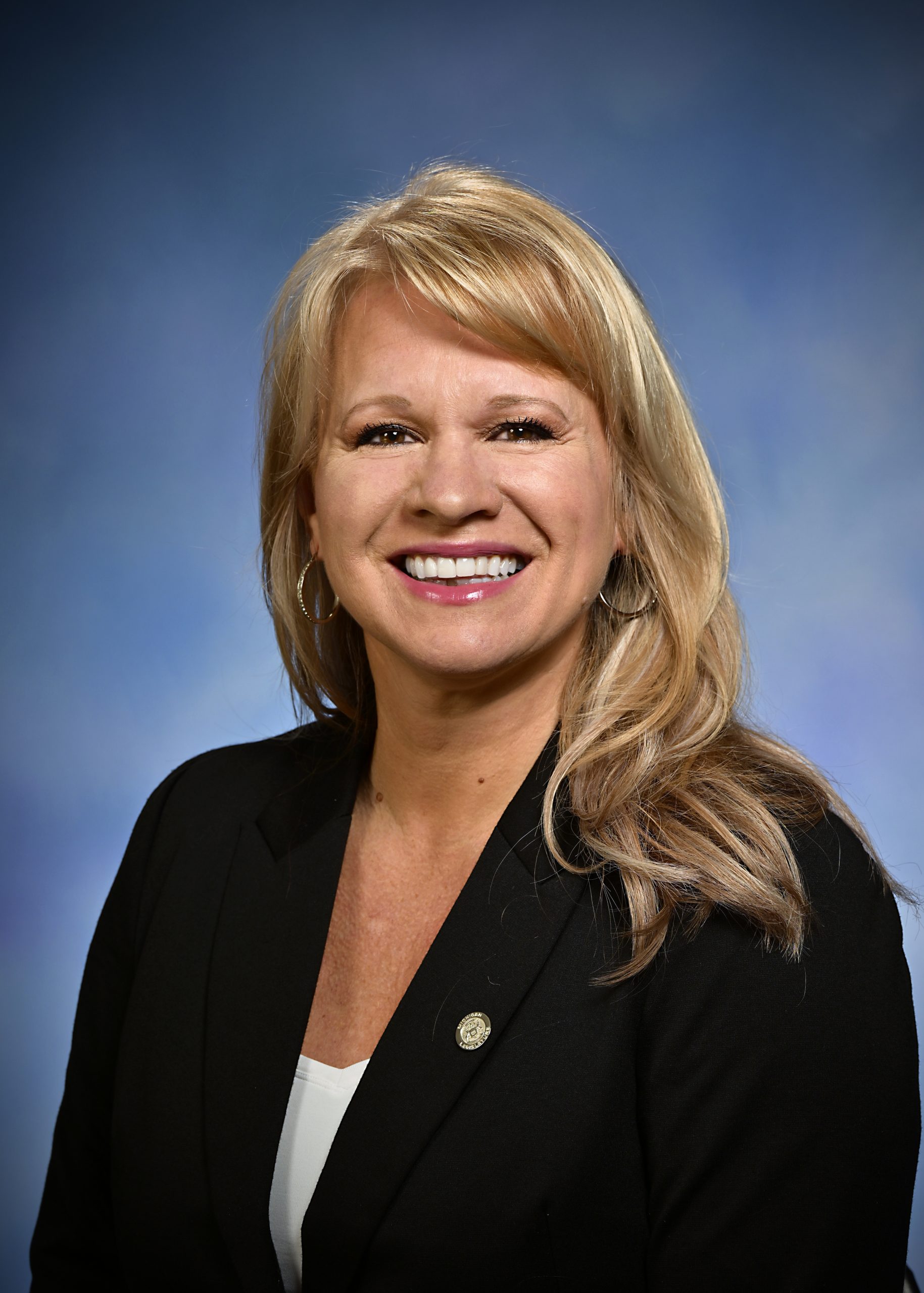
Alicia St. Germaine
Alicia St. Germaine House · District 62
R
Support
67% 3
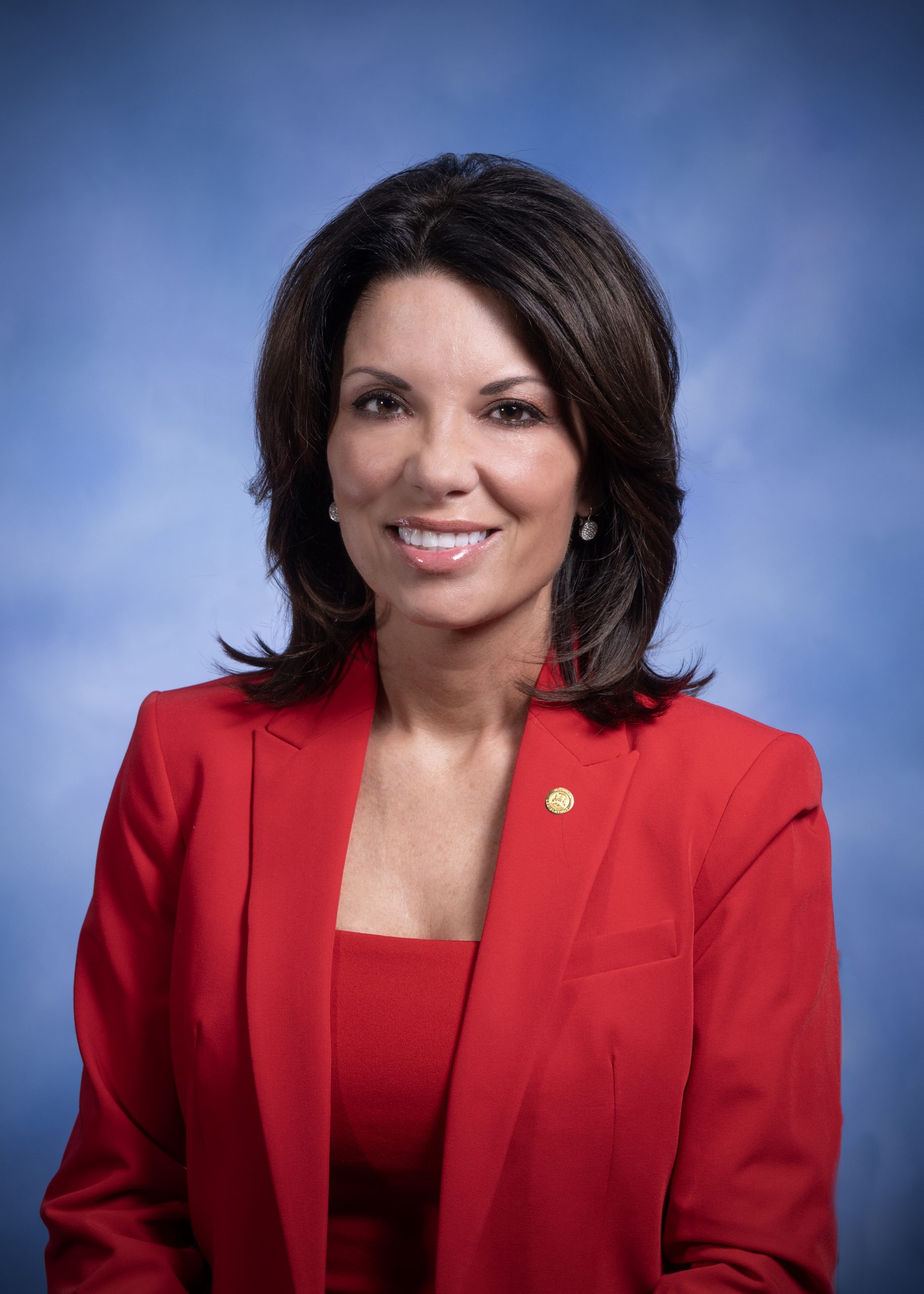
Angela Rigas
Angela Rigas House · District 79
R
Support
67% 3
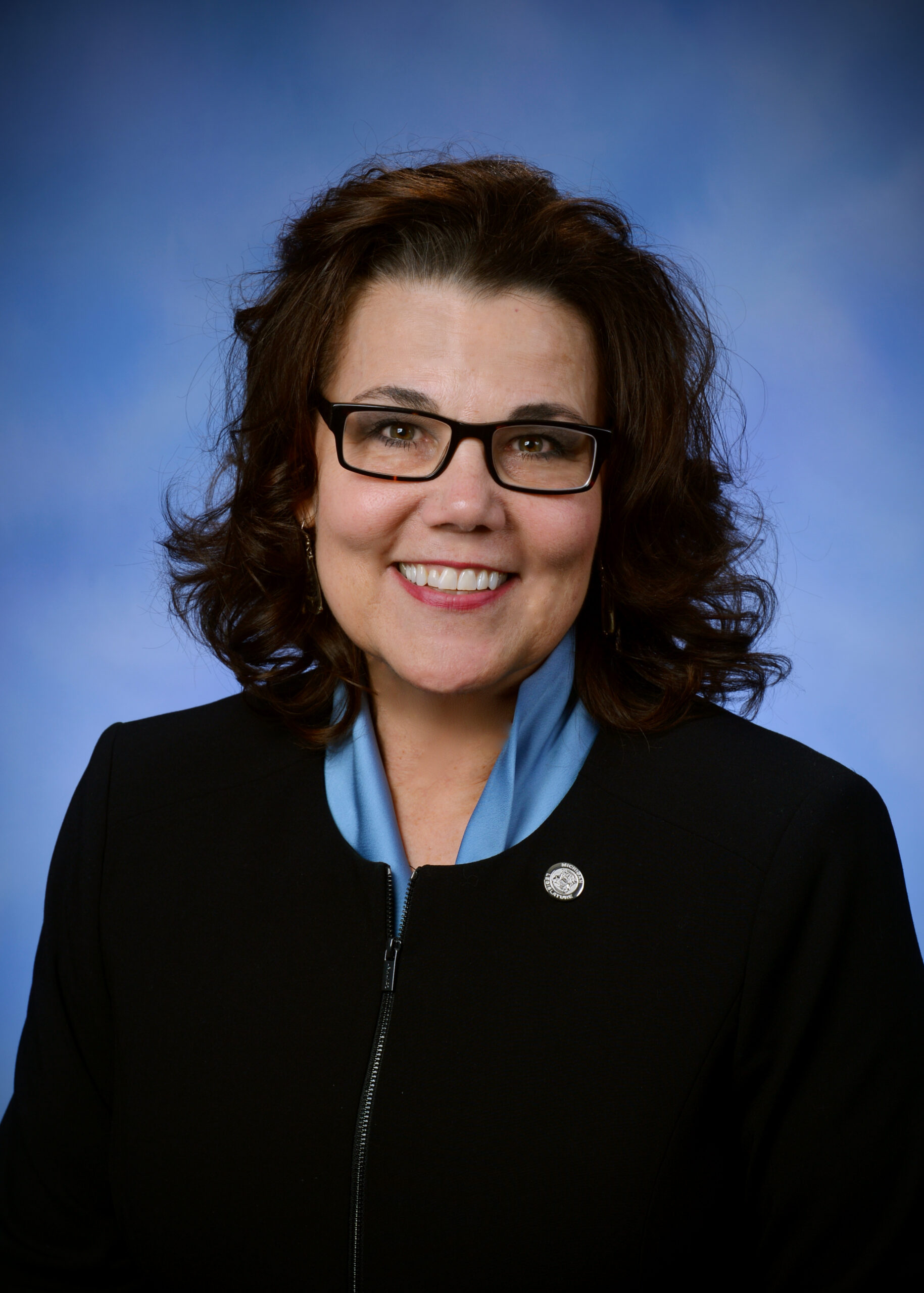
Ann Bollin
Ann Bollin House · District 49
R
Support
67% 3
Bill Schuette
Bill Schuette House · District 95
R
Support
67% 3
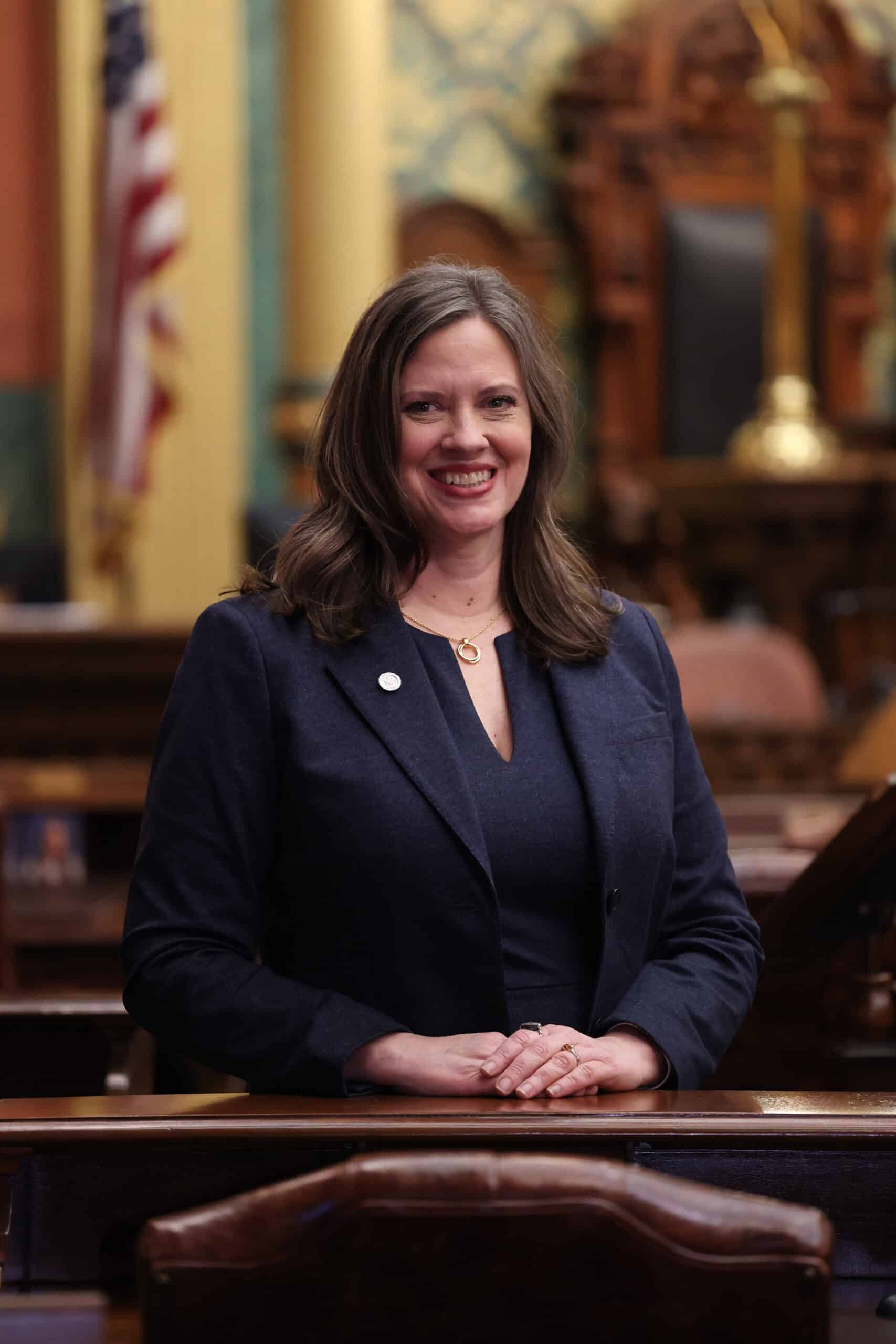
Carol Glanville
Carol Glanville House · District 84
D
Strong −
0% 3
Denise Mentzer
Denise Mentzer House · District 61
D
Strong −
0% 3
Jaz Martus
Jaz Martus House · District 69
D
Strong −
0% 3
Jennifer Conlin
Jennifer Conlin House · District 48
D
Strong −
0% 3
John Fitzgerald
John Fitzgerald House · District 83
D
Strong −
0% 3
Showing 11–20 of 30 bills

All criminal justice bills

in committee · Michigan · House Jan 28, 2026

HB 5477: Traffic control: driver license; program to provide driver license and state identification cards to parolees; provide for. Amends sec. 307 of 1949 PA 300 (MCL 257.307). TIE BAR WITH: HB 5475'26, HB 5474'26

HB 5477 allows parolees in Michigan to use an identification card issued by the Department of Corrections as valid proof of identity when applying for a driver's license or state ID card. The bill amends Michigan's vehicle code to require the Secretary of State to accept these correctional facility ID cards, which include the parolee's legal name, photograph, and identifying information. This change directly affects individuals recently released from prison who need to establish legal identification for driving and other purposes. The key mechanism is adding this specific ID card as an accepted document under existing identity verification rules for license applicants. This eliminates a barrier to obtaining essential identification for parolees reentering communities.
in committee · Michigan · House Jan 28, 2026

HB 5474: Corrections: other; program to provide driver license and state identification cards to parolees; provide for. Amends sec. 34c of 1953 PA 232 (MCL 791.234c). TIE BAR WITH: HB 5477'26, HB 5475'26

HB 5474 requires Michigan's Department of Corrections to proactively help prisoners obtain driver's licenses and state ID cards before release. Specifically, the department must collect required documents and photos 60 days prior to release, send them to the Secretary of State, and assist with social security verification. It creates a "reentry success fund" to cover these administrative costs, ensuring prisoners have essential identification for reintegration. This directly affects parolees and prisoners nearing release who need these IDs to access employment, housing, and other services.
in committee · Michigan · House Dec 31, 2025

HB 5447: Criminal procedure: probation; achievement credits for individuals on probation; provide for. Amends sec. 2, ch. XI of 1927 PA 175 (MCL 771.2).

HB 5447 modifies Michigan's probation rules to allow eligible individuals to seek early termination from probation. It permits probationers to apply for early discharge after completing half their original probation term (for both felonies and misdemeanors), provided they've completed required programming and made good-faith efforts to pay fines/fees. The bill prohibits disqualification solely due to unpaid financial obligations but excludes certain offenses like domestic violence (MCL 750.81/81a), sexual assault, or drug crimes from early discharge eligibility. Courts must consider victim input in cases involving specific offenses and report annual early discharge data to legislative committees.
in committee · Michigan · House Dec 16, 2025

HB 5361: Crimes: animals; restitution for care and treatment of certain forfeited animals; impose penalty on ownership of animal to person convicted of certain crimes against animal. Amends sec. 50b of 1931 PA 328 (MCL 750.50b).

HB 5361 strengthens penalties for animal cruelty in Michigan by requiring courts to order convicted offenders to pay restitution for the care, housing, and veterinary treatment of seized companion animals (like pets or service animals). It clarifies that companion animals receive enhanced protections, with stricter penalties for intentional harm (e.g., killing or torturing a pet). The bill mandates restitution covering investigation, prosecution, and animal care costs - not previously required - and prohibits convicted individuals from owning animals during probation or permanently. It excludes lawful activities like hunting, farming, or veterinary care from these provisions.
in committee · Michigan · Senate Mar 25, 2026

SB 737: Corrections: parole; certain parole terms; amend. Amends sec. 34 of 1953 PA 232 (MCL 791. 234).

SB 737 changes parole eligibility rules for Michigan prisoners serving life sentences who do not fall under automatic exclusion (e.g., murder convictions). It requires these prisoners to serve 10 years (for crimes committed before October 1, 1992) or 15 years (for crimes on or after that date) before becoming eligible for parole consideration. The bill also adds new procedures: annual parole board interviews after 10 years, file reviews at 15 years and every 5 years thereafter, and mandatory public hearings with parole board. These changes apply to life-sentence prisoners not covered by existing exceptions in Section 34(6) of Michigan’s Corrections Code.
in committee · Michigan · House Jul 24, 2025

HB 4507: Crimes: penalties; mandatory life imprisonment for certain crimes in the public health code; modify for certain offenders. Amends sec. 17764 of 1978 PA 368 (MCL 333.17764). TIE BAR WITH: HB 4506'25

HB 4507 amends Michigan's Public Health Code to require a mandatory life sentence without parole for individuals who sell mislabeled or contaminated drugs or devices with the intent to kill or cause serious harm to two or more people, if their actions result in death. This replaces the current maximum 15-year penalty for causing death through such violations under Section 17764 of the code. The bill specifically targets cases where the seller intended to harm multiple individuals, not general death resulting from misbranded products. The amendment is contingent on another bill (HB 4506) becoming law before taking effect.
Sub-Topics Probation & Parole
in committee · Michigan · House Jul 24, 2025

HB 4508: Crimes: penalties; mandatory life imprisonment for certain crimes in the penal code; modify for certain offenders. Amends secs. 16, 18, 200i, 204, 207, 209, 210, 211a, 316, 436, 520b & 543f of 1931 PA 328 (MCL 750.16 et seq.). TIE BAR WITH: HB 4506'25

HB 4508 amends Michigan's penal code to increase penalties for specific crimes involving drugs, biological/chemical substances, and explosives that result in death or serious harm. The bill mandates life imprisonment without parole for offenders convicted of certain violations that cause death, including cases where the crime was committed with intent to harm two or more people. Key provisions revise sections 16, 18, and 200i of the penal code to require this mandatory life sentence when offenses directly cause death, removing parole eligibility. It affects individuals convicted under these amended sections for crimes like adulterating drugs, distributing harmful substances, or using explosives. The changes apply to existing offenses, not new criminal acts.
Sub-Topics Probation & Parole
passed · Michigan · Senate May 14, 2025

SB 169: Appropriations: department of corrections; appropriations for fiscal year 2025-2026; provide for. Creates appropriation act.

This bill allocates $2.25 billion in state funding for Michigan's Department of Corrections for fiscal year 2025-2026. It covers administrative costs (including staff salaries and pensions), inmate reentry programs (like education and job training), parole services, and facility operations (including body-worn cameras and housing). The funding directly supports 13,207 correctional staff positions and services for inmates, such as vocational programs and transitional housing. It does not create new programs but provides budgetary support for existing department functions.
in committee · Michigan · House Jun 25, 2025

HB 4667: Crimes: other; use of artificial intelligence to commit certain crimes; prohibit. Amends 1931 PA 328 (MCL 750.1 - 750.568) by adding sec. 411y.

HB 4667 prohibits using artificial intelligence (AI) to commit crimes in Michigan. It makes it a felony to develop, deploy, or distribute AI systems with the intent to commit other crimes (8-year sentence), or to use AI to further such crimes (8-year sentence added to the underlying crime). The law also targets those who design or distribute AI systems knowing they will be used for criminal purposes (4-year sentence). It excludes law enforcement officers using AI in official duties and defines "AI system" broadly to include generative tools like chatbots, but excludes basic search engines or plug-ins. The bill would require mandatory prison terms with no parole or probation for violations.
in committee · Michigan · House Aug 13, 2025

HB 4761: Criminal procedure: sentencing; guidelines for sentencing individuals aged 18 to 21 to life without parole; provide for. Amends 1927 PA 175 (MCL 760.1 - 777.69) by adding sec. 25b to ch. IX.

HB 4761 would create new sentencing rules for individuals aged 18-20 convicted of specific violent offenses, including murder, certain drug crimes, and other offenses involving death. Prosecutors must file a motion requesting life without parole within 42 days of conviction (or 360 days after the bill's effective date for existing cases), or the court must impose a minimum 25-year sentence. The bill requires courts to consider factors from the *Miller v. Alabama* Supreme Court ruling during sentencing hearings, including the defendant's age and background. If life without parole isn't granted, defendants must serve at least 25 years (with a maximum of 60 years) and consecutive sentences for multiple related offenses. This bill directly affects young adult defendants, prosecutors, and courts handling these cases under Michigan's criminal procedure code.
Showing 11 to 20 of 30 bills