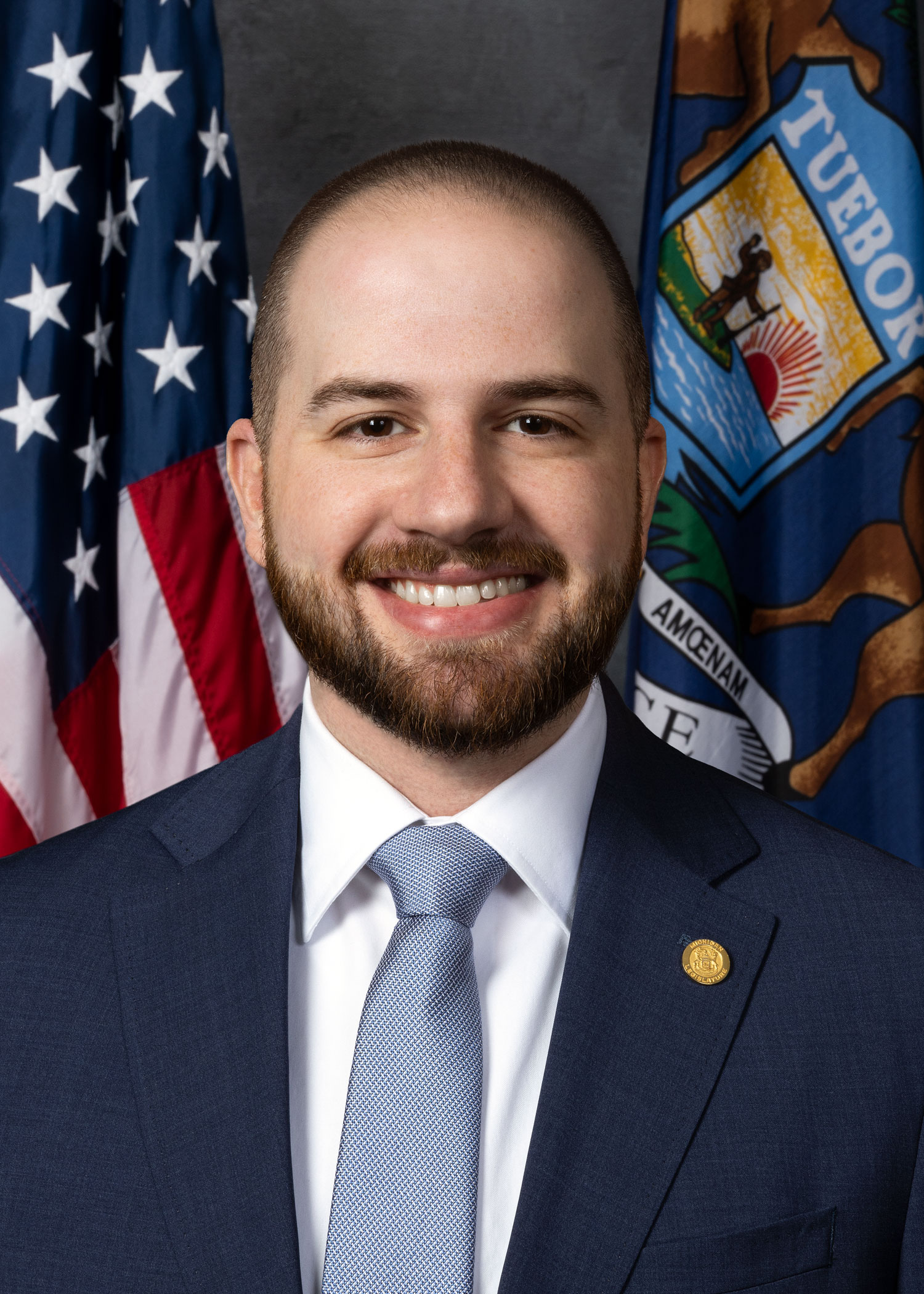
This bill amends the Michigan Amber Alert Act to expand when the state's Amber Alert system can be activated for missing children. It requires the Department of State Police to issue an Amber Alert for any missing child with special needs or for any missing child who law enforcement believes is in danger after a preliminary investigation. The bill defines "child with special needs" as someone under 26 who has a qualifying impairment, requires special education services, and has not yet graduated high school. The legislation also establishes that this act may be known as the "Rowan Act" and was introduced by Senator Sean McCann in March 2026.
This bill updates Michigan's Child Abduction Broadcast Act to rename it the Child Abduction and Missing Child Broadcast Act and expand how radio and television stations can share information about missing children. It allows broadcasters to disseminate child abduction alerts through various channels, including social media, when they receive information from the Michigan Department of State Police under the existing Amber Alert system. The legislation also provides legal immunity to broadcasters who accurately share this information from the state police. The bill will not take effect unless it is passed together with a companion bill, SB 892.
This bill amends Michigan's sentencing guidelines (MCL 777.16w) to address cases involving minors exploited in prostitution. It specifically modifies how individuals aged 16 or younger are treated when found in a house of prostitution, shifting the focus from criminalization to victim support. The key change directs courts to prioritize rehabilitation and services for these minors rather than imposing standard criminal penalties. This policy change directly affects minors under 16 who are victims of exploitation, ensuring their cases are handled through a victim-centered approach.
SB 362 updates Michigan's definition of "racketeering" in the penal code to explicitly include "a felony violation of the identity theft protection act" (2004 PA 452). This means identity theft crimes now qualify as racketeering offenses, allowing prosecutors to pursue them under more severe racketeering statutes. The change directly affects individuals convicted of identity theft, as it expands the legal framework for charging such cases. The bill revises Section 159g of the penal code to add this specific reference, without creating new penalties or altering existing laws.
SB 155 amends sentencing guidelines to address crimes specifically targeting access to healthcare facilities, such as blocking entrances or threatening staff. It would establish new sentencing standards for these offenses under Michigan's criminal code (MCL 777.13n). The bill directly affects individuals convicted of obstructing healthcare access, potentially altering their prison terms or penalties. However, the provided context does not detail the exact sentencing changes or specific crime definitions. This summary is based solely on the bill's title and official reference, without additional policy specifics.
SB 217 increases penalties for drivers who commit moving violations (like speeding or reckless driving) that cause physical injury or death to pedestrians, cyclists, or other vulnerable roadway users. It amends Michigan's criminal code (MCL 777.12e) to enhance the penalties for these specific offenses. The bill directly affects drivers whose actions result in harm to non-motorized road users, raising the legal consequences for such incidents.
SB 156 expands the authority of Michigan's Office of the Legislative Corrections Ombudsman to investigate complaints about the Department of Corrections. The bill requires the ombudsman to create a standardized complaint form (available online and in correctional facilities) and grants access to department records - including prisoner medical, mental health, and mortality records - without needing a release. It also allows the ombudsman to enter correctional facilities for inspections at any time (including emergencies like riots), consult with qualified experts after background checks, and hold informal hearings. This directly affects prisoners, their family members, prisoner advocates, and the Department of Corrections by strengthening oversight of correctional operations.
Senate Bill 221 establishes a new process for individuals charged with misdemeanor offenses who have mental health issues. The bill allows for the diversion of these defendants into assisted outpatient treatment (AOT) if the prosecuting attorney, defendant, and defense counsel agree to an assessment and the defendant meets the AOT criteria. If a court orders AOT for up to 180 days, the misdemeanor charges remain pending but are dismissed after 90 days (or 180 days for serious misdemeanors). This diversion pathway provides an alternative to standard mental competency procedures for eligible misdemeanor offenders.
Senate Bill 114 allows counties or regions in Michigan to create vulnerable adult multidisciplinary teams. These teams, comprising public and private professionals such as law enforcement, adult protective services, and healthcare providers, are designed to prevent, investigate, and prosecute the abuse and financial exploitation of vulnerable adults. The bill permits team members to share information for their duties, but requires strict confidentiality and sworn statements. Importantly, the information and records produced by these teams are exempt from public disclosure under the Freedom of Information Act, and their meetings are not subject to the Open Meetings Act.
Senate Bill 112 amends Michigan's penal code to expand the definition of "racketeering." The bill specifically adds the crime of embezzlement from a vulnerable adult to the list of offenses that can be considered racketeering activity. This change means that individuals who commit embezzlement against vulnerable adults could be prosecuted under racketeering laws, which are typically associated with organized crime and may carry more severe penalties. The bill aims to strengthen legal protections against the financial exploitation of vulnerable adults.