





Issue · Criminal Justice

Criminal Justice

Every criminal justice bill, vote, and legislator stance in Michigan, automatically classified by Maddy, our AI policy reader.

Total bills
21
2025-2026 Regular Session
Top supporter
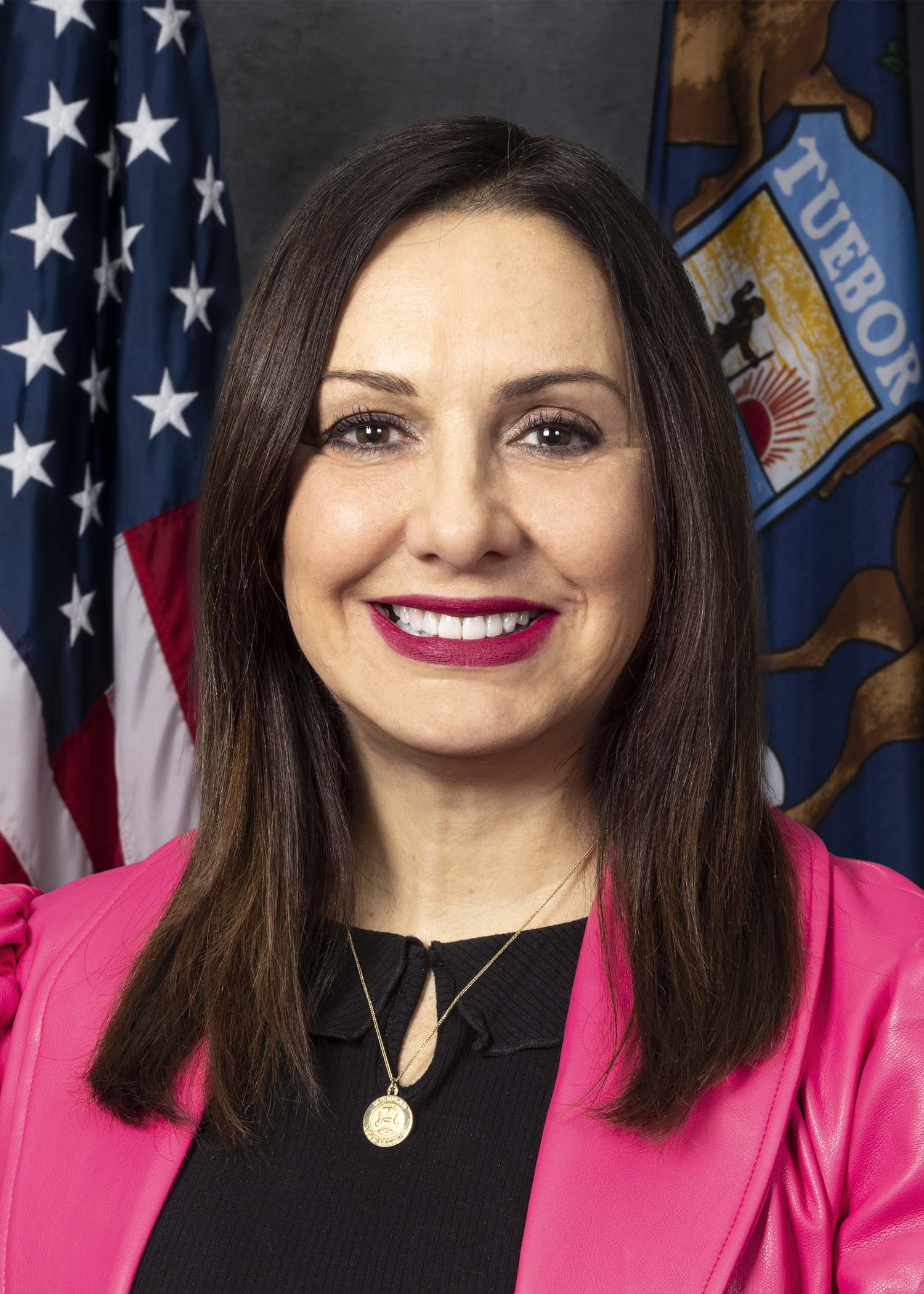
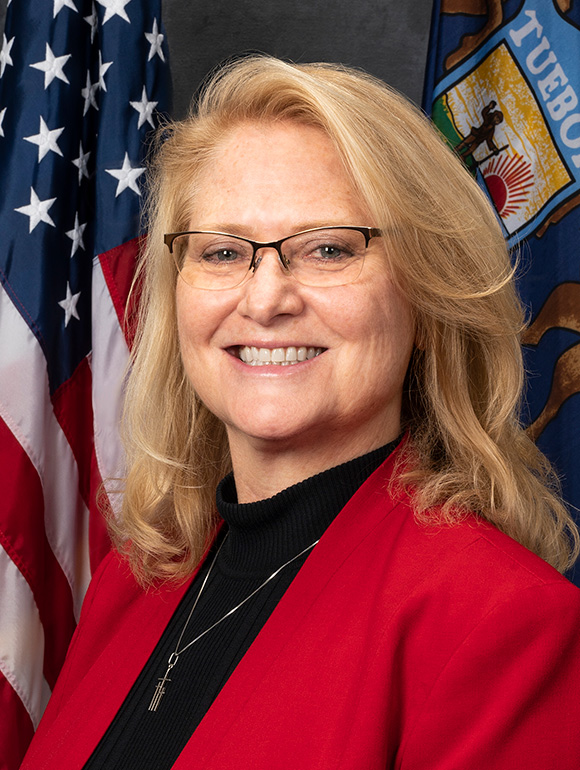
Erika Geiss
77% support rate
Top opponent
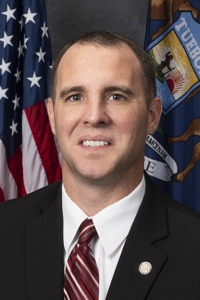
Rick Outman
23% support rate
Ranked legislators
10
5 support · 5 oppose
Key legislators

Who's moving criminal justice in Michigan

Legislators moving criminal justice in Michigan
Legislator Party Stance Support rate Decisive votes
Erika Geiss
Erika Geiss Senate · District 1
D
Support
77% 13
Dayna Polehanki
Dayna Polehanki Senate · District 5
D
Support
73% 15
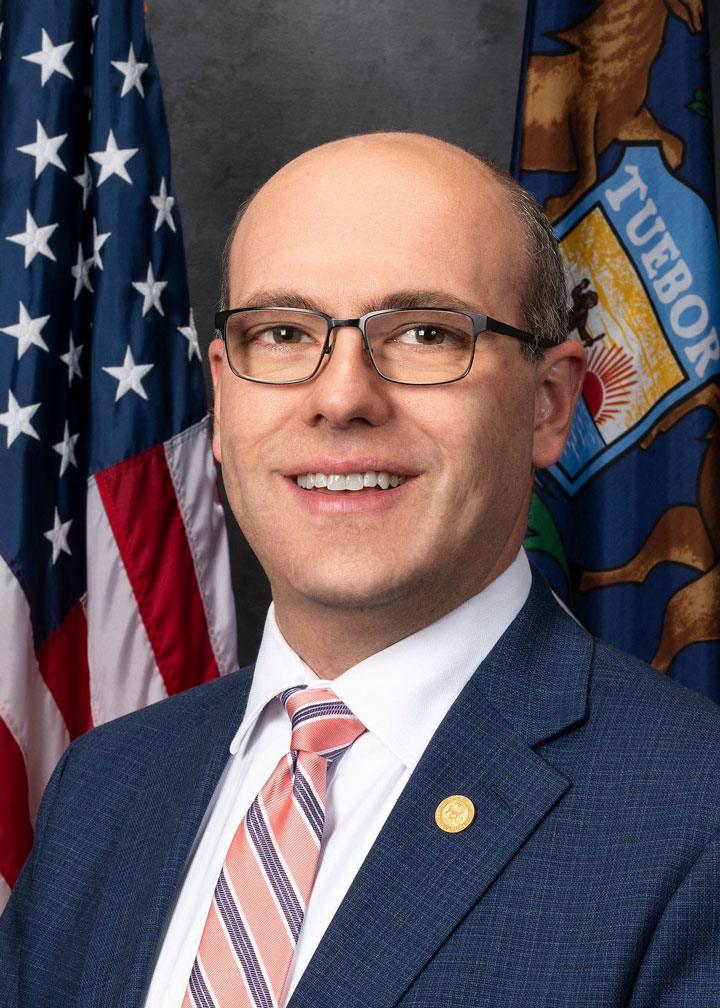
Jeff Irwin
Jeff Irwin Senate · District 15
D
Support
73% 15
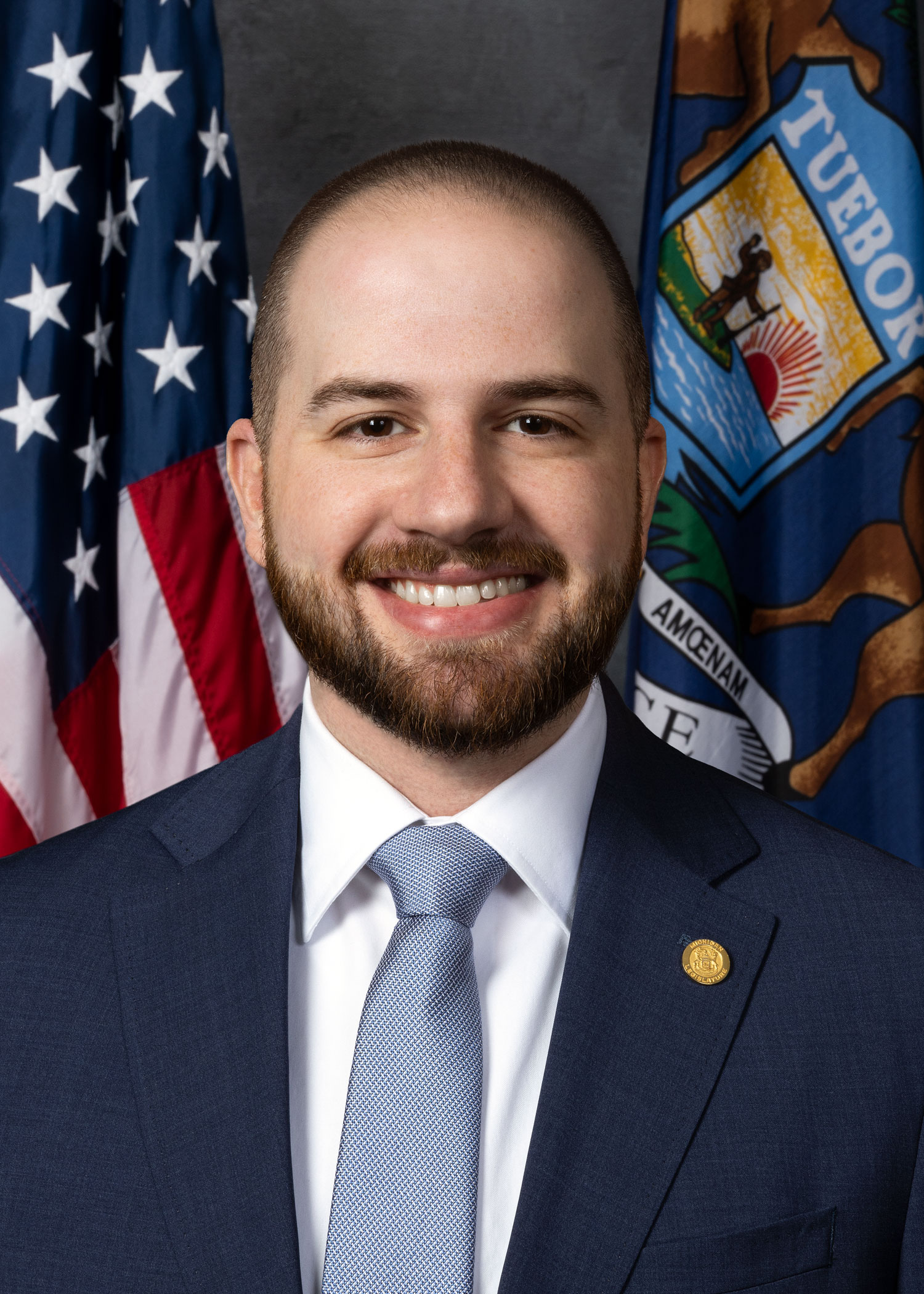
Jeremy Moss
Jeremy Moss Senate · District 7
D
Support
73% 15
John Cherry
John Cherry Senate · District 27
D
Support
73% 15
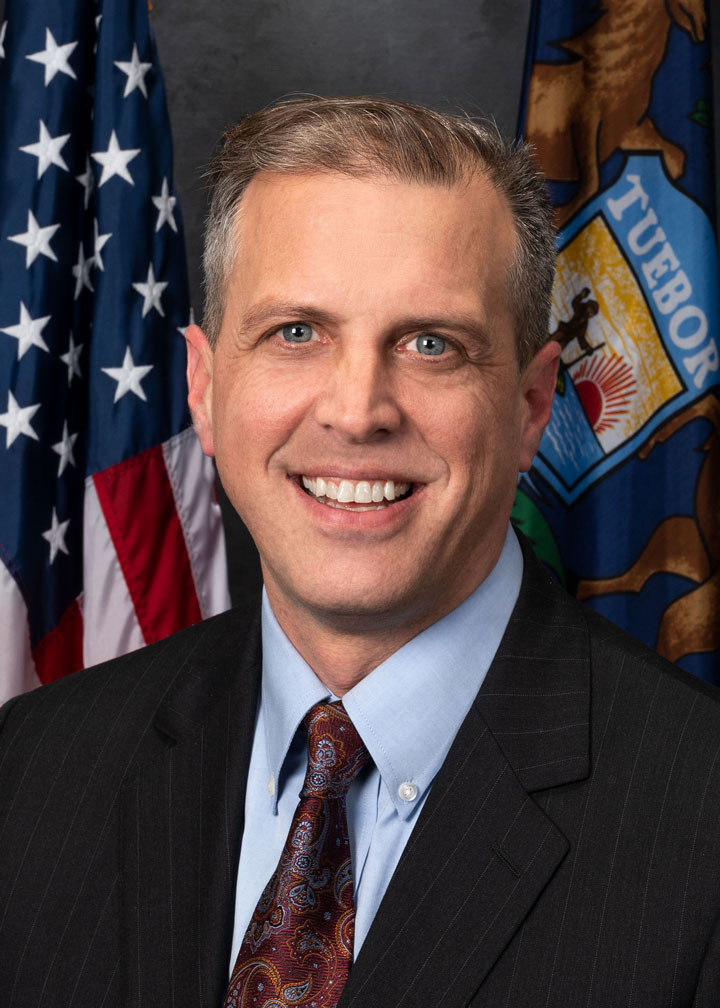
Rick Outman
Rick Outman Senate · District 33
R
Oppose
23% 13
Jonathan Lindsey
Jonathan Lindsey Senate · District 17
R
Oppose
27% 15
Lana Theis
Lana Theis Senate · District 22
R
Oppose
27% 15
Michele Hoitenga
Michele Hoitenga Senate · District 36
R
Oppose
27% 15
Thomas Albert
Thomas Albert Senate · District 18
R
Oppose
27% 15
Showing 21–21 of 21 bills

All criminal justice bills

passed · Michigan · Senate Mar 5, 2025

SB 24: Juveniles: juvenile justice services; certain information sharing for research purposes in juvenile justice cases; allow. Amends sec. 9 of 1988 PA 13 (MCL 722.829).

SB 24 amends Michigan's Juvenile Diversion Act to allow researchers to access certain juvenile justice records for research purposes, while strictly protecting minors' privacy. It requires researchers to obtain a data use agreement with the state court administrative office, which must include safeguards against public disclosure of personally identifiable information like names, addresses, and Social Security numbers. The bill prohibits using these records for any purpose other than research, with violations punishable by fines or up to 180 days in jail. This directly affects researchers, courts, and the state court administrative office, ensuring research access does not compromise minor confidentiality or interfere with diversion decisions.
Showing 21 to 21 of 21 bills