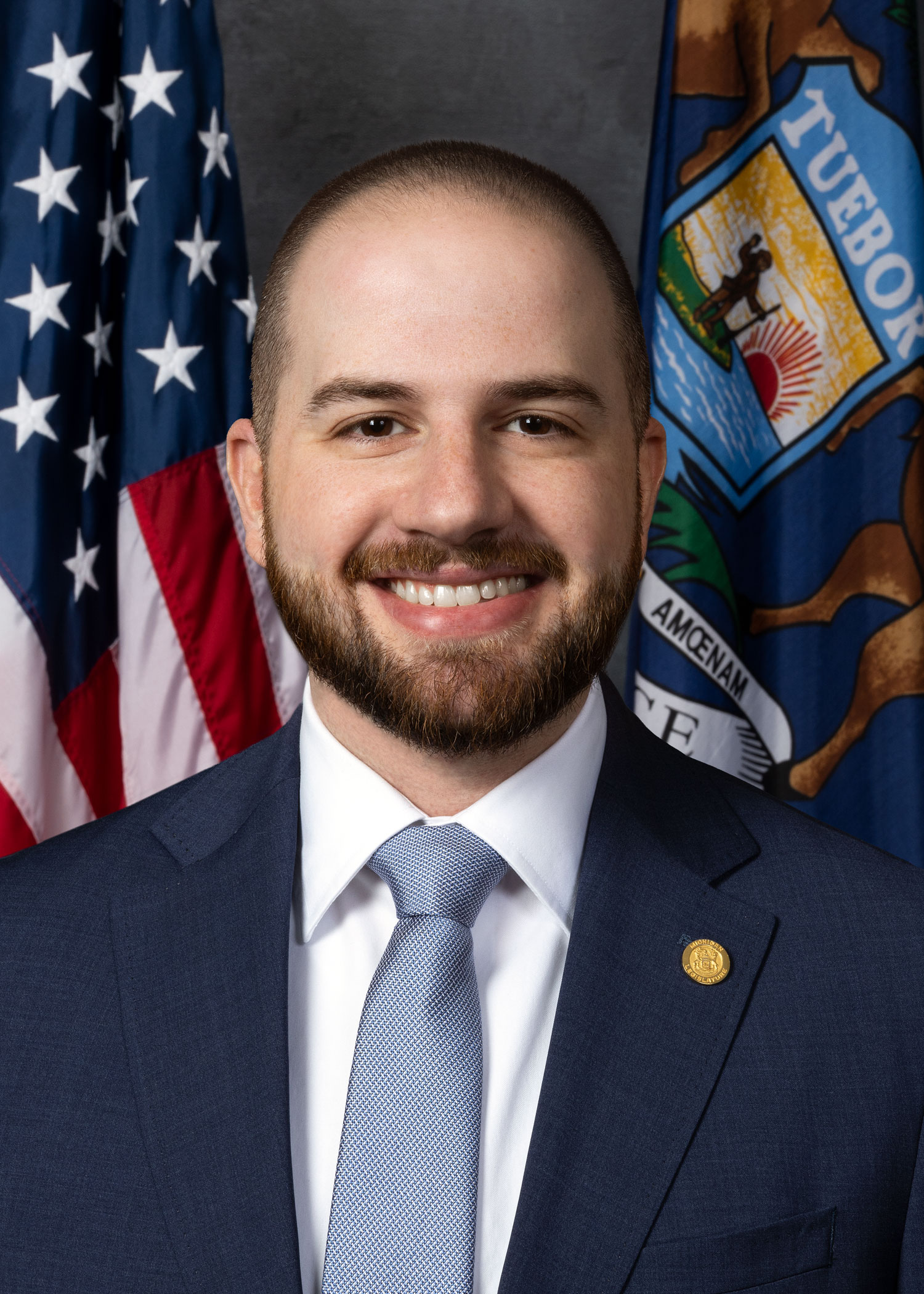
This bill expands the powers and duties of Michigan's Office of the Legislative Corrections Ombudsman, which handles complaints from prisoners, their advocates, and legislators regarding conditions in state correctional facilities. Key changes require the ombudsman to notify complainants and affected prisoners when investigating or declining to investigate complaints, and mandate that the office consult with the Department of Corrections before issuing any report that criticizes the department or its staff. The legislation also establishes strict reporting requirements, forcing the ombudsman to publish detailed monthly and annual reports on complaint statistics and department responses, while adding protections to ensure that individuals cannot be penalized for filing complaints or cooperating with the ombudsman. Additionally, the bill clarifies that the ombudsman's authority operates alongside, rather than replacing, existing legal remedies and appeal processes for prisoners.
HB 5920 expands the powers of Michigan's Office of the Legislative Corrections Ombudsman to better investigate issues within the Department of Corrections. The bill allows the ombudsman to launch investigations based on complaints from prisoners, legislators, or family members, as well as on their own initiative regarding safety and security concerns. Key provisions include granting the ombudsman access to medical and mortality records, the ability to hire qualified experts for inspections, and the authority to enter correctional facilities at any time, including during emergencies.
SB 81 expands Michigan's Indigent Defense Commission's duties to include providing effective legal representation for indigent youth (those under 18 facing juvenile court cases). The bill amends the existing law to require the Commission to establish minimum standards for youth defense services, ensuring they meet constitutional requirements for "effective assistance of counsel." It specifically defines "youth" and clarifies that indigent criminal defense services for youth must begin at their initial court appearance. This change directly affects juvenile defendants who cannot afford a lawyer, ensuring they receive legally required representation under the same standards applied to adults.
HB 4396 amends Michigan's Juvenile Diversion Act to permit researchers to access certain juvenile justice records for research purposes under strict safeguards. It requires researchers to submit requests to the state court administrative office, obtain approval, and sign a data use agreement that protects personally identifiable information from public disclosure. The agreement must prevent misuse and exempt the data from public disclosure under Michigan's Freedom of Information Act. This change directly affects researchers studying juvenile justice outcomes, not the minors involved in cases.
HB 4517 amends Michigan's Child Abduction Broadcast Act to update its title and expand how radio and TV stations can share missing child information. It specifically allows stations to broadcast alerts via social media (beyond traditional radio/TV) when sharing details from the Michigan Department of State Police under the Amber Alert system. The bill also maintains legal immunity for stations that accurately broadcast this information. This directly affects broadcasters, law enforcement, and the public by broadening the channels for urgent child safety alerts.
HB 4518 modifies Michigan's Amber Alert Act to require law enforcement agencies to submit missing child alert reports to the National Center for Missing & Exploited Children within 24 hours of activating an alert. This change directly affects Michigan police departments and state agencies that use the Amber Alert system. The bill updates existing law by replacing prior reporting timelines with a specific 24-hour deadline for submissions. This policy adjustment aims to expedite information sharing during missing child cases.
HB 5511 would allow courts to delay officially recording a conviction (entry of judgment) until sentencing occurs, under specific conditions. This applies when the prosecutor agrees after consulting the victim, and either the court finds good cause to delay or the defendant enters a specialty rehabilitation program. The bill does not apply to certain traffic offenses involving vehicle operation (even if felony/misdemeanor) or convictions already eligible for delayed sentencing under other laws. The delay mechanism aims to support rehabilitation efforts while ensuring victims are consulted, but the bill requires another related bill (HB 5510) to pass first.
HB 5510 allows Michigan courts to delay final sentencing for up to one year (or longer for specific cases) for certain non-violent offenses, giving defendants time to participate in rehabilitation programs like drug court. It requires courts to collect supervision fees ($30-$60 per month, depending on electronic monitoring) during the delay period, with maximum limits of 12 months for most cases or 60 months for child support violations. The bill exempts juveniles in specific cases and permits courts to waive fees for indigent defendants. This modifies existing sentencing procedures to prioritize rehabilitation while adding structured financial obligations during the delay.
This bill modifies the penalties for the crime of terrorism in Michigan by updating the language in the state penal code. It directly affects individuals charged with knowingly and premeditated acts of terrorism, ensuring the statute clearly mandates life imprisonment without parole if the act results in death. The legislation also maintains existing provisions that allow for a fine of up to $100,000 or a prison term of at least 25 years for other terrorism-related convictions. These changes aim to clarify the legal consequences for those convicted of terrorism under current laws.
HB 5537 prohibits the production, sale, or offering for sale of kratom (including all parts of the Mitragyna speciose plant and synthetic variants like 7-hydroxymitragynine) in Michigan. It directly affects businesses and individuals selling kratom products, imposing misdemeanor penalties that escalate based on severity: up to 90 days in jail and $5,000 fines for first offenses, with harsher penalties for repeat violations or sales to minors. Sales to anyone under 18 carry enhanced penalties, including up to one year in jail and $10,000 fines for first offenses. The law defines "kratom" broadly to cover all plant parts, extracts, and synthetic forms, making these activities illegal under Michigan's penal code.