Issue · Budget & Taxes

Budget & Taxes

Every budget & taxes bill, vote, and legislator stance in Michigan, automatically classified by Maddy, our AI policy reader.

Total bills
561
2025-2026 Regular Session
Top supporter
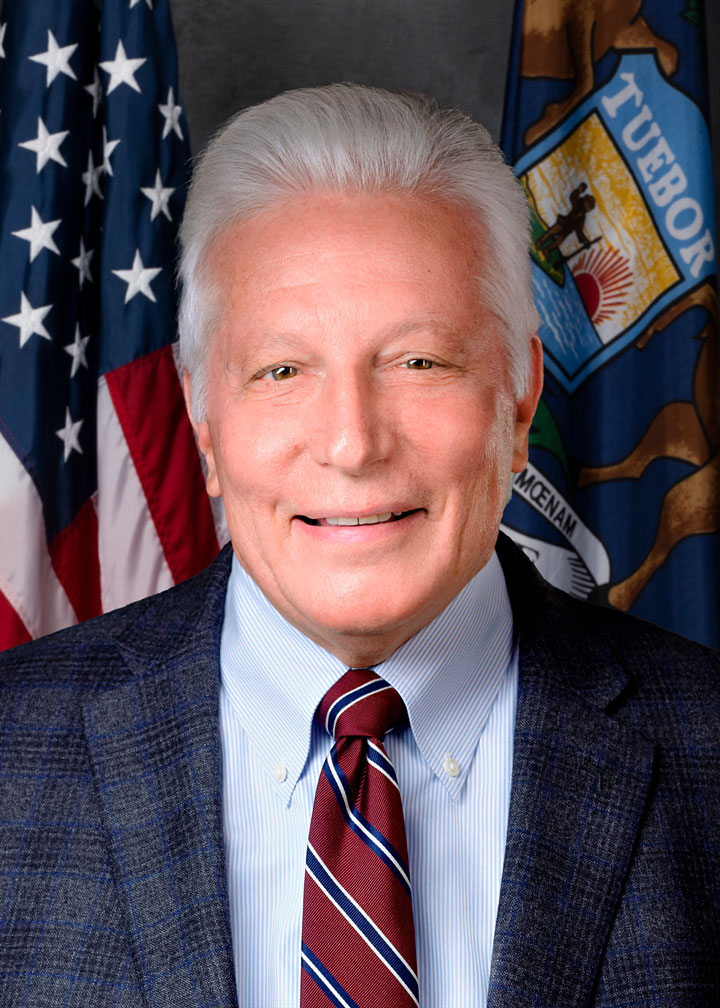
Chedrick Greene
100% support rate
Top opponent
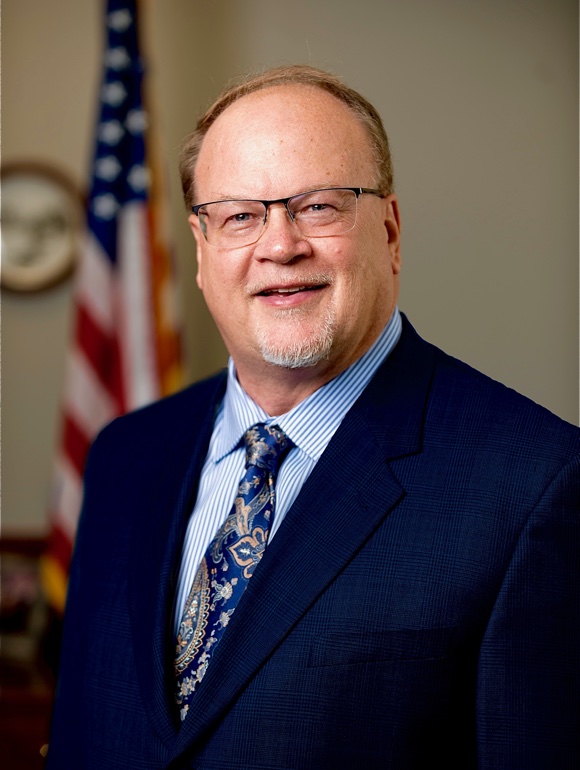
Jim Runestad
6% support rate
Ranked legislators
10
5 support · 5 oppose
Key legislators

Who's moving budget & taxes in Michigan

Legislators moving budget & taxes in Michigan
Legislator Party Stance Support rate Votes
Chedrick Greene
Chedrick Greene Senate · District 35
D
Strong +
100% 17
John Cherry
John Cherry Senate · District 27
D
Strong +
97% 95
Paul Wojno
Paul Wojno Senate · District 10
D
Strong +
97% 94
Dayna Polehanki
Dayna Polehanki Senate · District 5
D
Strong +
97% 93
Sarah Anthony
Sarah Anthony Senate · District 21
D
Strong +
95% 97
Jim Runestad
Jim Runestad Senate · District 23
R
Strong −
6% 73
Lana Theis
Lana Theis Senate · District 22
R
Strong −
10% 94
Thomas Albert
Thomas Albert Senate · District 18
R
Strong −
11% 95
Jonathan Lindsey
Jonathan Lindsey Senate · District 17
R
Strong −
11% 94
Michele Hoitenga
Michele Hoitenga Senate · District 36
R
Strong −
11% 92
Showing 441–450 of 561 bills

All budget & taxes bills

in committee · Michigan · House Apr 23, 2025

HB 4372: Taxation: specific tax; specific tax on certain property of senior citizens; provide for. Creates new act. TIE BAR WITH: HB 4379'25

House Bill 4372 proposes a new tax system for principal residences owned and occupied by senior citizens (age 65 and older) in Michigan, effective after December 31, 2025. It would exempt these properties from the existing general property taxes. In their place, the bill levies a new "senior citizens principal residence specific tax." This new tax would be calculated at 50% of the amount that would otherwise be assessed under the general property tax act. The bill's enactment is tied to the passage of House Bill 4379.
Sub-Topics Property Tax
in committee · Michigan · House Apr 23, 2025

HB 4373: Property tax: exemptions; exemption from state education tax for certain residential property and certain agricultural property; provide for. Amends secs. 2 & 3 of 1993 PA 331 (MCL 211.902 & 211.903).

House Bill 4373 proposes to amend the State Education Tax Act by creating new property tax exemptions. Beginning in 2026, the bill would exempt residential real property from the state education tax. It would also exempt certain qualified agricultural property that includes a single-family dwelling, provided the owner actively uses the land for agriculture and has not claimed a principal residence exemption on other property. This change directly affects owners of qualifying residential and agricultural properties by removing their obligation to pay the state education tax.
Sub-Topics Property Tax
in committee · Michigan · House Apr 23, 2025

HB 4370: Individual income tax: credit; credit for sales and use tax paid for textbooks purchased by eligible students; provide for. Amends 1967 PA 281 (MCL 206.1 - 206.847) by adding sec. 281.

House Bill 4370 proposes a new individual income tax credit for Michigan taxpayers, directly affecting eligible students and their families. Beginning in tax year 2026, taxpayers could claim a credit equal to the sales or use tax paid on textbooks purchased for themselves or their dependents. To qualify, the student must be enrolled in an eligible Michigan institution and meet specific financial aid criteria, such as being a Federal Pell Grant recipient or a professional/graduate student who would have been Pell-eligible based on financial need. Any portion of the credit that exceeds a taxpayer's liability would be refunded.
in committee · Michigan · House May 7, 2025

HB 4430: Individual income tax: credit; credit for certain qualified dependents; provide for. Amends 1967 PA 281 (MCL 206.1 - 206.847) by adding sec. 281.

HB 4430 would amend Michigan's Income Tax Act to create a new refundable income tax credit for taxpayers. This credit would be available for each "qualified dependent" claimed by the taxpayer. A qualified dependent must be between 5 and 18 years old, not enrolled in a public school, and demonstrate proficiency in reading and math for their grade level. The credit amount would be equal to the state's "target foundation allowance" for the relevant school year.
Sub-Topics Tax Credits
in committee · Michigan · House May 7, 2025

HB 4443: Taxation: specific tax; specific tax on certain homesteads of disabled veterans and their surviving spouses; provide for. Creates new act. TIE BAR WITH: HB 4444'25

House Bill 4443 establishes a new "disabled veteran's homestead specific tax" on properties currently exempt from general property taxes. Beginning January 1, 2026, this tax will apply to homesteads owned by disabled veterans or their surviving spouses. The tax amount is calculated based on what would have been owed in general property taxes, then discounted (reduced) according to the veteran's disability severity rating, potentially reducing the tax to zero for those with the highest disability ratings. Unpaid specific taxes are subject to the same forfeiture and foreclosure processes as delinquent general property taxes.
in committee · Michigan · House May 13, 2025

HB 4488: Individual income tax: credit; working parent tax credit for certain dependents; provide for. Amends 1967 PA 281 (MCL 206.1 - 206.847) by adding sec. 272a.

House Bill 4488 proposes a new refundable working parent tax credit for Michigan taxpayers, effective for tax years beginning on or after January 1, 2025. The bill would allow a credit of $5,000 for each qualified dependent who is three years of age or less, up to a maximum of three dependents per tax year. To be eligible, a taxpayer must have at least $10,000 in earned income for the tax year. If the credit exceeds the taxpayer's income tax liability, the remaining amount would be refunded.
Sub-Topics Tax Credits
in committee · Michigan · House May 13, 2025

HB 4487: Individual income tax: credit; working parent tax credit for certain dependents; provide for. Amends 1967 PA 281 (MCL 206.1 - 206.847) by adding sec. 272b.

House Bill 4487 proposes a new state income tax credit for working parents starting in tax year 2025. This "working parent tax credit" would provide $2,500 for each qualified dependent between the ages of 4 and 6. To be eligible, taxpayers must have earned income of at least $10,000, and the credit is limited to a maximum of three dependents per tax year. Any portion of the credit that exceeds a taxpayer's liability would be refunded.
Sub-Topics Tax Credits
in committee · Michigan · House Aug 25, 2026

HB 4202: Individual income tax: exemptions; additional exemption for fetus; provide for. Amends sec. 30 of 1967 PA 281 (MCL 206.30).

HB 4202 amends Michigan's income tax code to update deductions for retirement benefits and education-related payments. It specifically adjusts the maximum deductible amount for retirement/pension benefits (currently $42,240 for singles/$84,480 for couples) to automatically increase annually based on the Consumer Price Index, and clarifies rules for deducting payments made to Michigan's education trust for tuition. The bill affects Michigan taxpayers who claim these deductions, particularly retirees and those using education trust programs. It does not create a new "fetus exemption" (a misstatement in the bill title), but refines existing tax code provisions for retirement income and education savings. The bill is currently in committee after its March 2025 introduction.
Sub-Topics Income Tax Pensions
signed · Michigan · Senate Jul 29, 2026

SB 301: Corporate income tax: credits; employer credit for paid organ donation leave; provide for. Amends secs. 30 & 623 of 1967 PA 281 (MCL 206.30 & 206.623) & adds secs. 279 & 679.

SB 301 establishes a corporate income tax credit for employers who offer paid leave to employees donating organs. Beginning in 2026, eligible employers can claim a credit equal to 100% of the wages paid to an employee during up to 12 weeks of organ donation leave. To qualify, this leave must be separate from other paid leave benefits and compensate the employee at their full normal wage. The credit is non-refundable but can be carried forward for up to three years to offset future tax liabilities.
passed · Michigan · Senate May 13, 2025

SB 174: Appropriations: transportation department; appropriations for fiscal year 2025-2026; provide for. Creates appropriation act.

SB 174 is a routine appropriations bill that allocates $6.9 billion in funding for Michigan's State Transportation Department for fiscal year 2025-2026. It specifies funding sources including $2.3 billion in federal revenues, $4.5 billion in state restricted revenues, and $2 million from the state general fund. The bill details how funds will be distributed across department operations, infrastructure maintenance, debt service (like the State Trunkline Fund), and interdepartmental grants to other state agencies. This bill does not create new policies or affect specific groups - it solely authorizes the spending of existing funds for transportation department activities.
Showing 441 to 450 of 561 bills
Previous 1 44 45 46 57 Next