Issue · Budget & Taxes

Budget & Taxes

Every budget & taxes bill, vote, and legislator stance in Michigan, automatically classified by Maddy, our AI policy reader.

Total bills
561
2025-2026 Regular Session
Top supporter
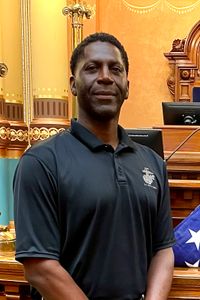
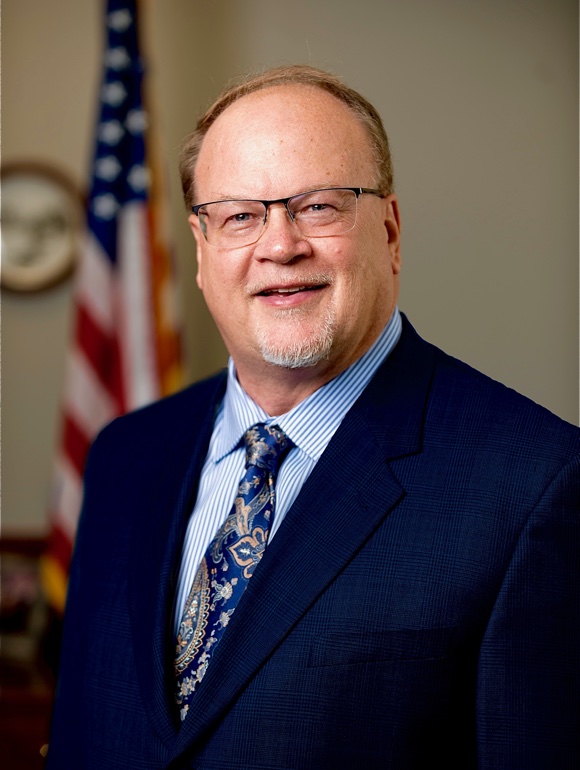
Chedrick Greene
100% support rate
Top opponent
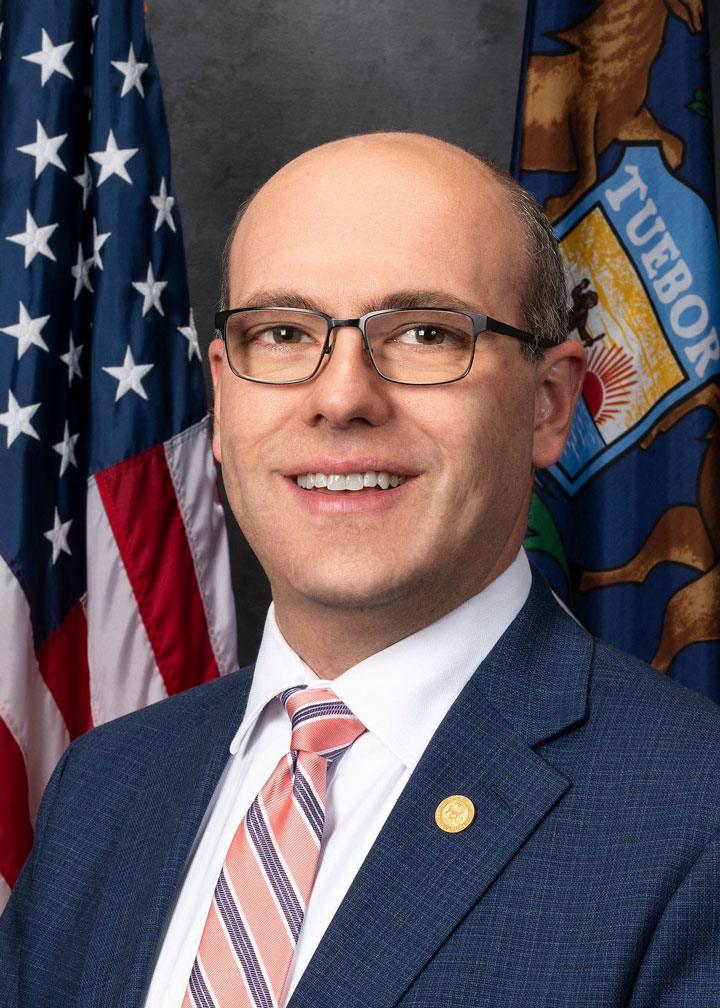
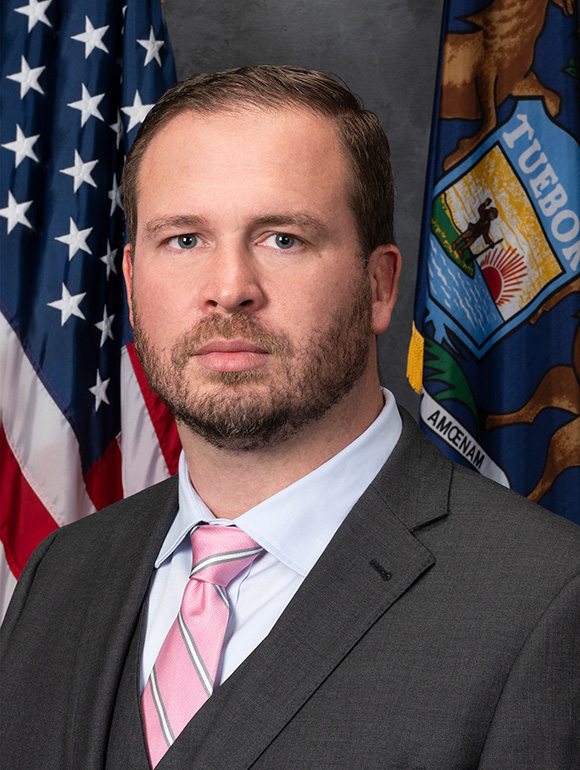
Jim Runestad
6% support rate
Ranked legislators
10
5 support · 5 oppose
Key legislators

Who's moving budget & taxes in Michigan

Legislators moving budget & taxes in Michigan
Legislator Party Stance Support rate Votes
Chedrick Greene
Chedrick Greene Senate · District 35
D
Strong +
100% 17
John Cherry
John Cherry Senate · District 27
D
Strong +
97% 95
Paul Wojno
Paul Wojno Senate · District 10
D
Strong +
97% 94
Dayna Polehanki
Dayna Polehanki Senate · District 5
D
Strong +
97% 93
Sarah Anthony
Sarah Anthony Senate · District 21
D
Strong +
95% 97
Jim Runestad
Jim Runestad Senate · District 23
R
Strong −
6% 73
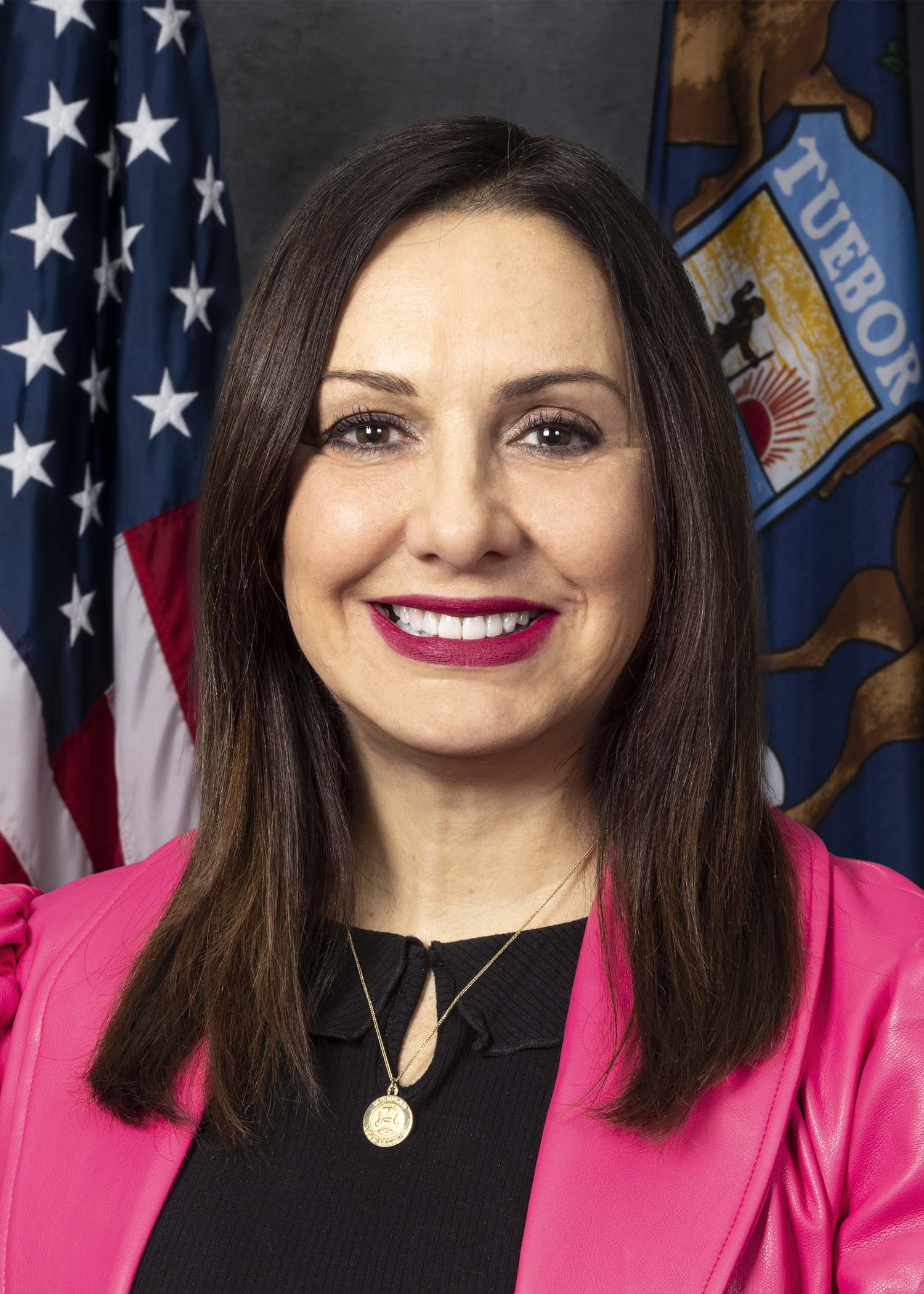
Lana Theis
Lana Theis Senate · District 22
R
Strong −
10% 94
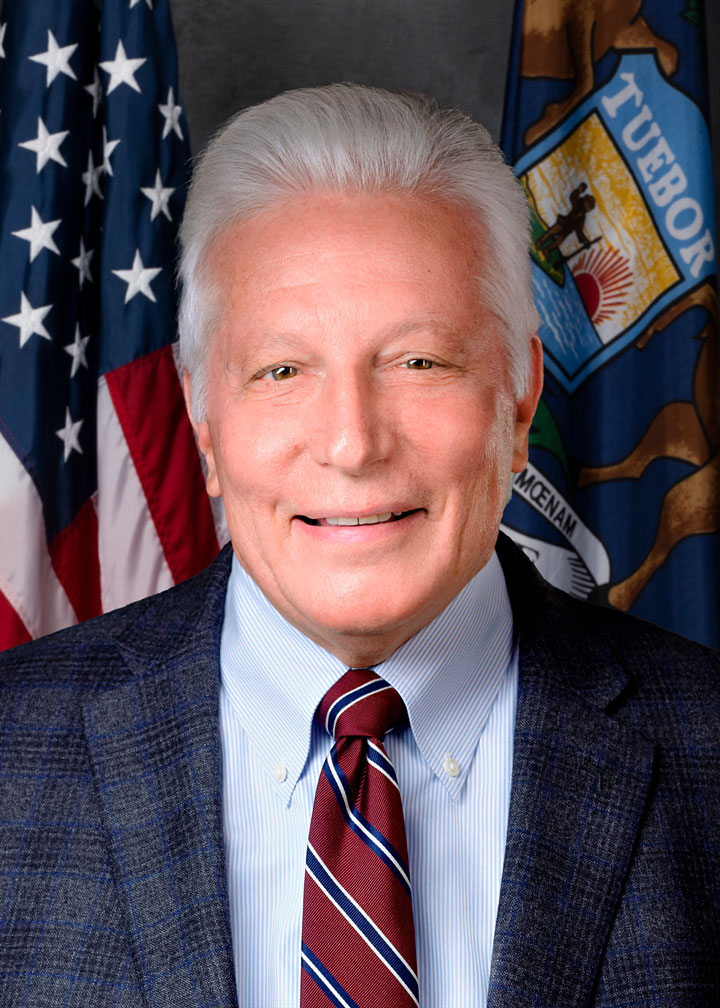
Thomas Albert
Thomas Albert Senate · District 18
R
Strong −
11% 95
Jonathan Lindsey
Jonathan Lindsey Senate · District 17
R
Strong −
11% 94
Michele Hoitenga
Michele Hoitenga Senate · District 36
R
Strong −
11% 92
Showing 21–30 of 561 bills

All budget & taxes bills

in committee · Michigan · House Jul 14, 2026

HB 6219: Individual income tax: credit; tax incentive for contributions made to certain ballot and candidate committees; provide for. Amends 1967 PA 281 (MCL 206.1 - 206.847) by adding sec. 281.

This bill creates a new tax incentive called the "amplify Mi voice credit" for Michigan residents who donate money to support candidates or ballot measures in state and local elections. Starting in the 2028 tax year, eligible taxpayers can claim a credit against their income tax equal to the amount they contribute to specific candidate committees, with a maximum limit of $250 for single filers or $500 for joint filers. To receive the credit, individuals must provide proof of their donations on their tax return, and any unused portion of the credit will be refunded if it exceeds the tax owed. The measure specifically excludes contributions to political party committees, independent groups, and caucus committees, focusing only on direct support for candidates and ballot questions.
in committee · Michigan · Senate Jul 2, 2026

SB 1089: Courts: funding; trial court funding; provide for. Amends secs. 880d, 8727 & 8827 of 1961 PA 236 (MCL 600.880d et seq.); adds secs. 1495, 1496 & 1497 & repeals secs. 8729 & 8829 of 1961 PA 236 (MCL 600.8729 & 600.8829). TIE BAR WITH: SB 1090'26

This bill establishes a standardized process for courts to determine whether individuals can afford court-related fees and fines. It requires judges to conduct a three-part financial assessment before imposing costs, which includes checking if a person receives public assistance, has income below a specific low-income threshold, or faces unique financial hardships. Under the new rules, people currently incarcerated are automatically considered indigent, and those found to be unable to pay will not be ordered to cover court costs or fees. Additionally, the legislation allows individuals to request a review of their financial status after sentencing if their circumstances have changed, potentially leading to the waiver of previously imposed charges.
Sub-Topics Courts Sentencing
in committee · Michigan · House Jul 1, 2026

HB 6149: Public employees and officers: state; salary recommendations for the heads of the principal departments in the executive branch; provide for. Amends 1986 PA 268 (MCL 4.1101 - 4.1901) by adding sec. 751.

This bill creates a new system for recommending salaries for the heads of Michigan's principal executive departments. It requires both majority and minority party leaders in the state legislature to appoint unpaid panelists who will evaluate department heads on their work quality and cost-effectiveness. These panelists will submit ratings to the House fiscal agency, which will use a specific formula based on those scores and the governor's current salary to calculate recommended pay amounts. The final salary recommendations will be sent to key legislative leaders and the governor for consideration.
in committee · Michigan · House Jun 10, 2026

HB 6065: Individual income tax: credit; make it in Michigan tax credit program; create. Amends 1967 PA 281 (MCL 206.1 - 206.847) by adding sec. 279. TIE BAR WITH: HB 6061'26, HB 6062'26, HB 6063'26, HB 6064'26

This bill creates a new "Make It In Michigan" tax credit program designed to encourage recent college graduates to live and work in the state. To qualify, individuals must be Michigan residents employed by local businesses and must have earned a bachelor's degree or higher from an accredited institution after the law takes effect. The legislation defines specific terms for eligible employees, students, and loans, while also renaming existing tax credits under sections 279a, 279b, 679, and 679a to reflect this new program name. Crucially, the bill will not become effective unless four companion bills regarding the program's funding and administration are also passed into law.
in committee · Michigan · Senate Jun 18, 2026

SB 1044: Individual income tax: property tax credit; definition of homestead; modify. Amends sec. 508 of 1967 PA 281 (MCL 206.508).

This bill modifies the definition of a homestead and adjusts how property tax credits are calculated for Michigan residents. It clarifies that unoccupied property leased to others is excluded from homestead status and sets specific acreage limits for agricultural land based on how long a claimant has lived there. Additionally, the legislation updates the rules for determining household resources by excluding certain business, rental, and operating losses from income calculations. These changes directly affect homeowners and renters who rely on property tax credits and aim to refine the criteria used to determine eligibility.
passed both · Michigan · House Jul 29, 2026

HB 6126: Gaming: other; expenditures under the internet sports betting fund; modify. Amends secs. 15 & 16 of 2019 PA 149 (MCL 432.415 & 432.416)

This bill modifies how tax revenue from internet sports betting in Michigan is distributed among various state and local funds. It requires that thirty percent of the tax go to the city where the betting operator's casino is located for uses such as hiring street patrol officers, neighborhood development, public safety improvements, and road repairs. The remaining revenue is allocated to the state, with specific mandatory payments to the compulsive gaming prevention fund, a first responder coverage fund, and tribal governments for essential services. Any money left over after these designated expenses must be deposited into the state school aid fund to support public education.
in committee · Michigan · Senate Jun 24, 2026

SB 1073: State management: funds; 21st century jobs trust fund; modify. Amends secs. 7 & 8 of 2000 PA 489 (MCL 12.257 & 12.258). TIE BAR WITH: SB 1072'26

SB 1073 modifies the Michigan Trust Fund Act to adjust how money flows into and out of the 21st Century Jobs Trust Fund. The bill specifies that certain funds, including tobacco settlement revenues and amounts from the general fund, must remain in the trust fund rather than reverting to the general fund at the end of a fiscal year. It also clarifies that while the principal stays in the trust, any interest and earnings generated from investments must be deposited into the general fund. Additionally, the bill outlines that money from the trust can only be used to support specific programs under the Michigan Strategic Fund Act, such as those related to innovation and economic development. This legislation is contingent upon the simultaneous passage of Senate Bill 1072, which is tied to it in the legislative process.
Sub-Topics State Budget
in committee · Michigan · House Jun 11, 2026

HB 6075: School aid: foundation allowance; foundation allowance amounts; base on the state and local government inflation index and tie to inflation. Amends sec. 367b of 1984 PA 431 (MCL 18.1367b).

This bill updates the rules for calculating Michigan's school foundation allowance, which determines the base funding provided to public schools. It requires the state's revenue estimating conference to use the Detroit Consumer Price Index to adjust the allowance amount, ensuring it keeps pace with local inflation rather than a statewide index. The legislation also mandates that this adjusted allowance be projected for the current fiscal year and the next two years to help plan school budgets. By tying school funding growth to inflation in the Detroit area, the bill aims to maintain the purchasing power of state aid for education.
in committee · Michigan · House Jun 23, 2026

HB 6118: Health facilities: other; certain acquisitions and mergers involving a health facility or agency; regulate. Creates new act. TIE BAR WITH: HB 6116'26, HB 6117'26

This bill, known as the Health Facility Consolidation Prevention Act, regulates mergers and acquisitions of health facilities in Michigan by requiring approval from the Hospital Cost Review Board before they can proceed. It establishes a new assessment tax on these transactions, with the collected funds directed toward a state health care cost reduction fund, while also outlining specific civil penalties for non-compliance. The legislation applies to large consolidations but includes exemptions for smaller facilities with combined annual revenues under $10 million or those owned by individual health professionals. Applicants must submit detailed financial data and evidence of how the merger will impact service availability and pricing to the board before receiving authorization.
Sub-Topics Hospitals
in committee · Michigan · House Jun 25, 2026

HB 6129: Transportation: funds; population threshold for certain grants; increase. Amends secs. 10e & 13c of 1951 PA 51 (MCL 247.660e & 247.663c)

HB 6129 updates the population thresholds used to determine funding levels for public transportation grants in Michigan, raising the cutoff from 100,000 to 200,000 residents for urbanized areas. Under these changes, transit agencies serving areas with populations between 100,000 and 200,000 would receive grants covering up to 50% of their eligible operating expenses, while those in smaller urbanized or non-urbanized areas would continue to receive up to 60%. The bill also amends the relevant state statutes to ensure these new population criteria are applied when distributing funds from the Comprehensive Transportation Fund. This legislation directly affects local transit authorities and governmental agencies responsible for providing public transportation services across the state.
Showing 21 to 30 of 561 bills
Previous 1 2 3 4 57 Next