

Maddy summaryHR 3881, the "Stop Dangerous Sanctuary Cities Act," denies certain federal grants to states or localities that restrict sharing immigration status information or comply with federal immigration detainers. Specifically, it defines "sanctuary jurisdictions" as those with policies prohibiting cooperation with federal immigration enforcement requests (under Sections 236/287 of the Immigration and Nationality Act). The bill blocks recipients from receiving Economic Development Administration grants and Community Development Block Grants if they are deemed a sanctuary jurisdiction. Local officials complying with federal detainers gain legal protections, including immunity from lawsuits, while jurisdictions violating the law face mandatory return of funds. The policy takes effect October 1, 2025.
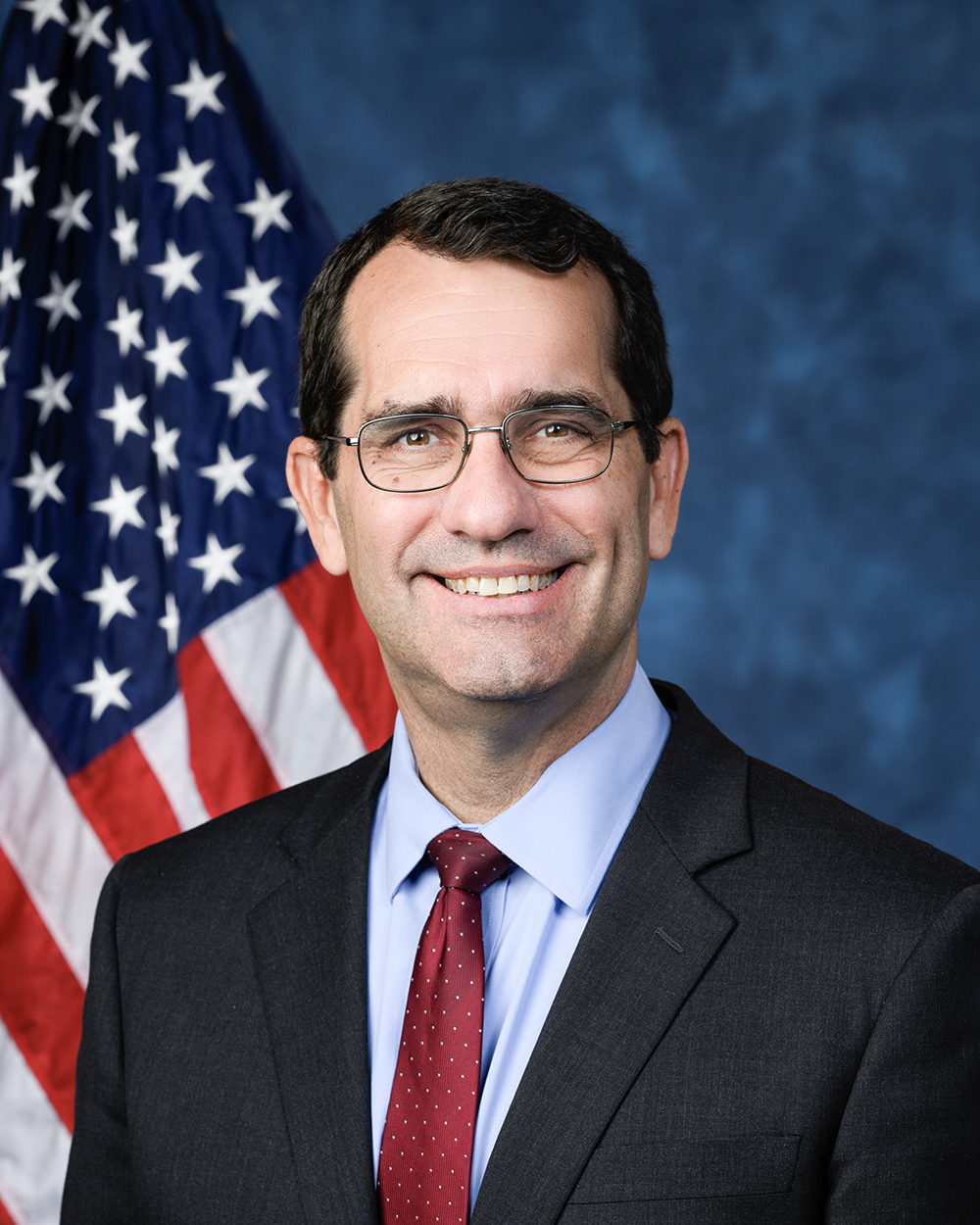
Rep. Derek Schmidt
Sponsored bills
Maddy summaryHRES 483 is a House resolution recognizing the 250th anniversary of the U.S. Army's founding on June 14, 1775. It expresses appreciation for the Army's service over 250 years, honors soldiers' valor and core values, and calls for public observance through ceremonies and activities. The resolution has no policy impact or funding provisions - it is purely commemorative. It was introduced by 30 bipartisan House members and referred to the Armed Services Committee.
Maddy summaryThe SKIM Act (HR 3810) increases penalties for fraud involving counterfeit access devices like credit cards. It requires the U.S. Sentencing Commission to raise fraud offense levels by 4 points (minimum level 14) and count all unauthorized charges from 10+ counterfeit devices toward total losses. The bill also mandates a 90-day report to Congress from the Attorney General and DHS, detailing law enforcement coordination, fraud technologies, assistance requests, and recommendations for combating such fraud. This directly affects federal courts (through sentencing changes), law enforcement agencies, and businesses vulnerable to access device fraud.
Maddy summaryHR 3825, the Kelsey Smith Act, requires phone companies (mobile carriers and IP voice service providers) to share a device’s location with police during emergencies. If police claim the device was used in a 911 call within the past 48 hours or they have reasonable suspicion about an immediate risk of death or serious harm, companies must provide location data "without delay." Police must document each request with justification, and companies cannot be sued for complying. This directly affects telecommunications providers and law enforcement agencies responding to urgent public safety threats.
Maddy summaryThe Weather Workforce Improvement Act (HR 3809) streamlines hiring for critical National Weather Service (NWS) positions directly affecting public safety, such as meteorologists, hydrologists, and technicians responsible for weather balloon launches and forecasting. It grants the NWS Director direct hiring authority for these roles without standard federal hiring rules, with this authority expiring after two years or once all critical vacancies are filled. The bill also mandates annual assessments on hiring progress and the health impacts of rotating shifts on NWS staff, requiring reports to Congress on workforce needs and strategies to improve employee well-being. These provisions aim to strengthen NWS staffing capacity without altering weather forecasting policies or outcomes.
Maddy summaryHRES 478 is a symbolic House resolution designating the month of July as "American Patriotism Month." It does not create new laws or policies but encourages voluntary observance through ceremonies, educational activities, and community events celebrating American history and values. The resolution highlights historical events like Independence Day, Pearl Harbor, and 9/11 as examples of patriotism, while urging schools, organizations, and communities to participate in commemorations. It has no binding effect on citizens or government operations and merely requests the President issue an annual proclamation. This is purely a ceremonial recognition with no direct impact on individuals or policy implementation.
Maddy summaryThe BARK Act of 2025 protects donors, nonprofits, and local/government entities from liability when donating "apparently fit" pet food or supplies in good faith to help animals. It shields them from lawsuits related to minor issues like appearance, age, or packaging, as long as the items meet basic safety standards and aren’t defective. Donors must inform recipients about any flaws, and recipients must agree to recondition items to meet standards before distribution. This law does not cover cases of gross negligence or intentional harm, and it doesn’t override existing health regulations. The bill directly affects pet food donors, shelters, and animal welfare programs by reducing legal barriers to sharing surplus supplies.
Maddy summaryThis bill would reform immigration parole by requiring the Secretary of Homeland Security to grant temporary entry only on a case-by-case basis for urgent humanitarian needs or significant public benefit, reversing what the bill describes as systemic overuse. It imposes a strict annual cap of 3,000 paroles starting in fiscal year 2029, restricts parole for nationals of designated "countries of concern" without a State Department waiver, and allows states to sue if they claim financial harm exceeding $100 from parole decisions. The bill directly affects immigrants seeking temporary entry and DHS officials administering the program. Key mechanisms include the new cap, country restrictions, and state lawsuit provisions to enforce compliance.
Maddy summaryHR 3636 requires the Secretary of Defense to create a centralized system for verifying the licenses of military health-care professionals. This system allows commanding officers at any Department of Defense health facility to quickly check a professional's license - regardless of the facility's location or the professional's military branch. The bill mandates that at least 90% of license verifications must be completed within seven days for professionals without adverse licensing records. This change aims to ensure all military health-care providers meet licensing standards efficiently.
Maddy summaryHR 3585 establishes the Capacity Building for Business Districts Pilot Program to provide targeted support for business districts in low-income, rural, minority, and Native communities. The program awards competitive grants through intermediary organizations ("specified recipients") to deliver technical assistance, training, and capacity-building services directly to local business district organizations ("eligible subrecipients"). These organizations must provide services to business districts in underserved areas, with grants requiring annual reporting on job impacts, geographic reach, and fund usage. The pilot mandates geographic diversity in grant distribution and prioritizes applicants serving distressed communities or multiple regions. Grants must last at least two years, focusing on enhancing local business districts' ability to attract investment and support small businesses.