

Maddy summaryThe Civics Learning Act of 2026 amends the Elementary and Secondary Education Act to expand federal funding and support for civics education in K-12 schools. The bill directs the Department of Education to distribute $70 million in grants to schools, with at least 60 percent reserved for elementary and middle schools and a preference for programs that include hands-on civic engagement, constitutional history, and civil rights education. It also requires grant recipients to submit annual reports detailing how they meet civics education goals and ensures geographic diversity in funding distribution across urban, suburban, and rural areas.
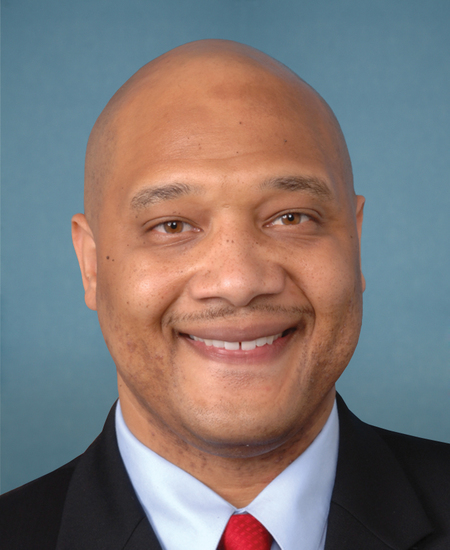
Rep. André Carson
Sponsored bills
Maddy summaryThe STAR Act (HR 8399) aims to remove certain restrictions on how federal transit funds can be used. Specifically, it amends sections of title 49, United States Code, related to federal transit programs. The bill strikes provisions that currently prohibit the use of federal funds for acquiring transit rolling stock manufactured outside the United States and for constructing bus revenue vehicles by manufacturers not established in the U
Maddy summaryThis bill establishes a grant program to help vulnerable mothers and babies in areas with high climate-related health risks, such as extreme heat and air pollution. It directs the Department of Health and Human Services to award up to $105 million over four years to community groups, healthcare providers, and local organizations for initiatives that provide cooling resources, health education, and support services. The program prioritizes areas with high rates of maternal and infant health disparities and requires grantees to address racial and ethnic inequities. Additionally, the bill creates a research consortium at the National Institutes of Health to study climate impacts on birth outcomes and funds training programs for health profession schools to better prepare providers for these risks.
Maddy summaryThis House Resolution recognizes the efforts and public safety contributions of linemen and the important role they play in maintaining the nation's energy infrastructure. It expresses support for designating April 18, 2026, as "National Lineman Appreciation Day" and acknowledges linemen as first responders.
Maddy summaryThis resolution expresses the sense of the House of Representatives that stable housing is a fundamental human right that keeps families together, regardless of immigration status. It condemns a past administration's proposal to ban mixed-immigration status families from receiving prorated federal housing assistance and calls on the Secretary of Housing and Urban Development to withdraw any such rule. The resolution also urges Congress to increase funding for federal housing programs and calls for a Government Accountability Office report on the impact of such proposals on family separation and homelessness.
Maddy summaryThis resolution expresses the House of Representatives' strong support for designating April 19 through April 25, 2026, as "National Crime Victims' Rights Week." It recognizes the impact of crime on victims and survivors, appreciates organizations that assist them, and encourages continued efforts to support victims' rights and services.
Maddy summaryThis bill, HR 8391, proposes to expand the types of services covered under the Medicare and Medicaid programs. It directly affects Medicare beneficiaries and Medicaid recipients by requiring coverage for certain food and nutrition services. Under Medicare, these services would be covered, with Medicare paying 80% of the actual charge. For Medicaid, these services would also be covered and become a mandatory benefit that states must provide. The Secretary of Health and Human Services will specify the exact requirements for these services, and the changes would take effect 180 days after the bill's enactment.
Maddy summaryThe National Food as Medicine Program Act of 2026 proposes to establish a federal grant program for states to create or expand "Food as Medicine" initiatives under Medicaid waivers. These programs would provide medically supportive food and nutrition interventions, like tailored meals or produce prescriptions, to Medicaid-eligible individuals with nutrition-related chronic conditions or food insecurity. The bill also directs the Department of Agriculture to provide technical assistance to farmers, especially socially disadvantaged and beginning farmers, to help them supply regeneratively or organically produced local food to these programs. Furthermore, it mandates federal guidance for states on implementing these programs, including eligibility criteria, provider roles, and procurement methods, aiming to integrate food interventions into healthcare.
Maddy summaryThe Improving Access to Financial Coaching Act of 2026 establishes a federal grant program to support financial coaching services for individuals and households, particularly those with low and moderate incomes, racial and ethnic minorities, and residents of rural areas. Administered by the Department of the Treasury's Office of Consumer Policy, the program awards grants to eligible nonprofit organizations, community development financial institutions, and minority depository institutions. These funds are intended to help recipients provide or subgrant financial coaching services to improve consumer financial well-being, manage debt, and build savings. Additionally, the bill directs the Treasury to develop standardized practices for certifying financial coaches and the agencies that employ them, aiming to enhance service quality. The act authorizes $100 million for appropriations for fiscal years 2026 through 2028 to fund these initiatives.
Maddy summaryThe Momnibus Act is a comprehensive legislative bill designed to improve maternal health outcomes across the United States by addressing social determinants of health, expanding access to care, and reducing disparities among pregnant and postpartum individuals. The bill establishes a federal task force to coordinate efforts between agencies and stakeholders to eliminate preventable maternal mortality and severe morbidity, while providing sustained funding to community-based organizations to address nonclinical factors like housing, nutrition, and transportation. Key provisions include extending WIC eligibility to 24 months postpartum, creating grants to grow and diversify the perinatal workforce, implementing respectful maternity care training for all healthcare employees, and establishing compliance programs to track and address bias in maternity care settings. The legislation also includes specific measures for incarcerated mothers, veterans, and vulnerable populations affected by climate change, alongside funding for maternal mental health services and technology-enabled care models to expand access in underserved areas.