

Maddy summaryThis bill expands Massachusetts prevailing wage laws to include offsite fabrication work for public projects, ensuring that workers building components like pipes, wiring, and modular units at factories receive the same wage protections as those working on construction sites. It defines offsite fabrication as non-standard items produced specifically for a project and mandates that contractors submit weekly certified payroll records detailing employee wages, hours, and the specific location where the work was performed. By applying existing penalties and reporting requirements to these offsite activities, the legislation aims to standardize labor standards across both on-site construction and off-site manufacturing processes for qualified public works.
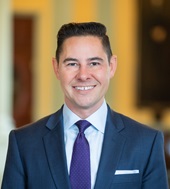
Sen. Jake Oliveira
Sponsored bills
Maddy summaryThis bill aims to improve Massachusetts' paid family and medical leave program by updating how employers handle leave requests and enhancing data tracking. It requires employers to inform employees of their eligibility for paid leave within five business days and to provide necessary forms in the employee's primary language. The legislation also expands the types of employer policies that count toward meeting leave requirements and mandates more detailed reporting on claim demographics and processing times.
Maddy summaryThis bill amends the Massachusetts public employee retirement system to include certified emergency telecommunicators in Group 2. It specifically affects full-time dispatchers, supervisors, center directors, and chiefs who are certified by the State 911 Department. The key provision adds these roles to the list of covered professions in the state's general laws, granting them access to the same contributory retirement benefits as other public employees in that group.
Maddy summaryThis bill allows retired firefighters to work more than 960 hours per year for the Massachusetts Department of Fire Services. Currently, state law limits retired firefighters to a maximum of 960 hours of employment annually, but this change would remove that cap. The legislation directly affects retired firefighters who wish to continue working in various capacities within the department. By amending Section 91 of Chapter 32 in the General Laws, the bill provides greater flexibility for these individuals to take on additional work without violating existing hour restrictions.
Maddy summaryThis bill amends Massachusetts state law to clarify how survivor benefits are distributed to Option (d) beneficiaries of public service retirement plans. It allows members to nominate eligible individuals to receive a portion of their potential retirement allowance if they die before retiring. The law specifies that if multiple beneficiaries are chosen, the benefit amount is calculated based on the youngest beneficiary's age, and any share left by a deceased beneficiary is split equally among the survivors. These changes directly affect public employees and their families who rely on these specific retirement options.
Maddy summaryThis bill revives and extends the Non-Emergency Human Services Transportation Task Force in Massachusetts until December 1, 2026. The task force, which was originally created in 2021, will continue its work to address transportation needs for vulnerable populations such as children, families, and individuals with disabilities. By the end of its term, the group must submit a final report with recommendations and any necessary draft legislation to relevant state committees and officials. The bill also allows the task force to share its draft report with the public for feedback before the official submission deadline.
Maddy summaryThis bill establishes a legal framework in Massachusetts to protect affordable spaces for artists, creative workers, and artisans by allowing cities and towns to create a Municipal Creative Space Preservation Trust Fund. The legislation defines "creative space" as areas used for making art and "presentation space" as areas for exhibiting work, while also recognizing "creative space restrictions" that can permanently limit property use or resale prices to keep costs low for future artists. Under this act, local municipalities can set up a board of trustees to manage the fund, which has the power to accept donations, purchase real estate, and sell or lease properties to ensure they remain available for the creative economy.
Maddy summaryThis bill amends Massachusetts law to officially include 911 emergency telecommunicators in the state's Heart Bill. The change requires that these call center operators be counted alongside other first responders, such as firefighters and police, when calculating the number of people who can receive state-funded heart health benefits. By adding this specific group to the legal text, the legislation ensures they are recognized as eligible recipients of the program's resources.
Maddy summaryThis bill amends Massachusetts law to formally include certified emergency telecommunicators in the list of essential workers eligible for specific protections under state regulations. It directly affects full-time dispatchers, supervisors, communications center directors, and chiefs who are certified by the state 911 Department. The key provision adds these roles to a legal definition previously limited to hospital staff, ensuring they receive the same statutory recognition. This change clarifies the legal status of 911 professionals without altering their daily duties or pay structures.
Maddy summaryThis bill creates a new state program called the PLACE Fund to finance public art projects on buildings owned or managed by the Commonwealth of Massachusetts. The fund will be supported by a mandatory allocation of state construction money, specifically taking a portion of budgets for new buildings or major renovations, as well as accepting private donations. A newly established 13-member commission will oversee the selection and management of these art projects to ensure they connect communities and support local cultures. The commission includes representatives from various sectors, such as artists, architects, and community development organizations, and will work alongside existing state agencies to implement the program.