

Maddy summaryThis bill creates a state-run program to help formerly incarcerated individuals secure housing upon release from prison. It requires the state department of housing and community development to coordinate with correctional agencies to educate people about housing options and provide financial assistance like housing vouchers. The law also mandates that affordable housing projects receive priority for those recently released and requires annual reviews and reports to track the program's success. Additionally, it directs state agencies to include formerly incarcerated persons in leadership roles within community organizations that support their reentry.
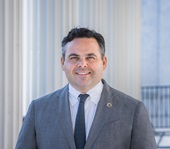
Sen. Nick Collins
Sponsored bills
Maddy summaryThis bill establishes a state-run program to help formerly incarcerated individuals secure housing upon release from prison. The Department of Housing and Community Development would lead this effort by working with correctional agencies to educate people about housing options and connect them with financial support like housing vouchers. The law requires the department to partner with community organizations that have experience in reentry and to include formerly incarcerated people in the leadership of these groups. Additionally, the bill mandates annual reviews of how state housing funds are used for this purpose and requires the department to report its findings to the legislature.
Maddy summaryThis bill allows Massachusetts cities, towns, and water districts to create special funds to pay for projects that protect and improve local water supplies. Under the law, these entities can charge a small fee to customers, typically ranging from one to ten cents per gallon, specifically to cover costs like building new water sources, treating wastewater, and conserving water. The money collected must be kept in a separate account and can only be used for environmental improvements such as upgrading treatment systems, removing dams, or acquiring land to protect water sources. Communities that choose to adopt this program can also add extra money to the fund through grants, donations, or fines related to water issues.
Maddy summaryThis bill aims to improve Massachusetts' public health response to Alzheimer's and other forms of dementia by creating a new state-wide awareness campaign. The campaign will educate healthcare providers on early detection methods and inform the public about warning signs, risk reduction, and available care resources, with a specific focus on diverse communities. Additionally, the law requires the state to collect more detailed data on racial and ethnic health disparities related to dementia and to include specific questions about cognitive decline in annual health surveys. These changes are designed to help the Department of Public Health better understand the scope of the issue and allocate resources more effectively.
Maddy summaryThis bill expands reproductive health coverage for people with sickle cell disease by ensuring MassHealth and private insurers pay for fertility preservation services before treatments like chemotherapy that could cause infertility. It defines specific medical procedures as covered services and requires the state to report on the financial impact of this new coverage every three years. Additionally, the legislation creates a new statewide steering committee within the Department of Public Health to oversee sickle cell disease efforts, including representatives from patient advocacy groups and medical professionals.
Maddy summaryThis bill creates a new licensing requirement for refrigeration technicians who work on residential and light commercial systems with a capacity of less than ten tons. It directs the state bureau to establish examination standards and licensing fees for these workers, with the collected fees funding the hiring of qualified inspectors to enforce the rules. The legislation amends the existing professional licensure laws to formally define this category of work and mandates that the new regulations take effect immediately upon passage.
Maddy summaryThis bill creates a new technical advisory committee to identify communities with high exposure to traffic-related air pollution and establish specific definitions for pollutants like black carbon and ultrafine particles. The Department of Environmental Protection is required to install at least eight new air monitors in these identified hotspots by June 2026 and make the data publicly available. Additionally, the law mandates that the department establish baseline air quality measurements for these areas by June 2027 to better track pollution levels. These changes directly affect residents living near major highways and aim to improve air quality monitoring in areas burdened by pollution.
March 11, 2024 -- The committee on Public Health, to whom was referred the petitions (accompanied by bill, Senate, No. 1382) of Patricia D. Jehlen, Vanna Howard, Sal N. DiDomenico, Rebecca L. Rausch and other members of the General Court for legislation to improve outdoor and indoor air quality for communities burdened by transportation pollution; and (accompanied by bill, House, No. 2131) of Christine P. Barber, Mike Connolly and others for legislation to improve outdoor and indoor air quality for communities burdened by pollution, report the accompanying bill (Senate, No. 2682).
Maddy summaryThis bill directs the Massachusetts Department of Education to create and manage a grant program aimed at helping social work students find field placement opportunities. The funding is specifically intended to recruit and retain Master of Social Work students from historically marginalized and low-income communities. Money for this initiative would come from state, federal, or other available resources, including existing trust funds. The legislation seeks to build a more stable and diverse workforce of licensed social workers within the state.
Maddy summaryThis bill creates a new grant program called the Hunger Free Campus Initiative to help public colleges and universities in Massachusetts address student food insecurity. The program would provide funding to institutions, including municipally administered and minority-serving colleges, to support students in completing their career and technical education programs. To manage the initiative, the state would hire a program director responsible for developing guidelines and conducting surveys to guide how grants are distributed based on available data on student hunger.