

Maddy summaryThis bill establishes a new state loan repayment program for healthcare workers at community health centers in Massachusetts. It directly affects primary care physicians, mental health professionals (including community health workers and recovery coaches), and other staff who work at these centers and have student loan debt. The program requires participants to commit to four years of service, prioritizes culturally diverse recruitment, and is funded through an existing state reserve established in 2021. Eligible individuals must not participate in other loan repayment programs and will receive pro-rated assistance based on their work schedule. The program aims to strengthen recruitment and retention of healthcare staff at community health centers statewide.
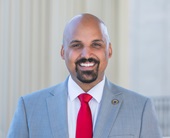
Sen. Pavel Payano
Sponsored bills
Maddy summaryThis law prohibits the sale or transfer of dogs and cats that are younger than eight weeks old, with each violation punishable by a fine of up to $100. It also bans the selling or trading of these animals in public places such as roadside areas, parks, flea markets, and parking lots, while allowing exceptions for licensed shelters, animal control facilities, and educational exhibitions. Local animal control officers or police are responsible for enforcing these rules, and fines increase for repeat offenses of selling animals in public spaces.
Maddy summaryThis bill establishes a new governing structure for the Lawrence School Board to replace the current state receivership. It creates a seven-member committee composed of three elected officials, three appointed by the City Council with expertise in finance, law, or education, and the mayor serving as chairman. The legislation also details specific rules for filling vacancies, requiring appointed members to have relevant professional backgrounds and setting a thirty-day limit for appointing replacements. These changes aim to restore local control over the city's public schools while ensuring the board includes diverse professional skills.
Senate, - Text of the Senate amendment (Senator Payano) to the House Bill defining a governing structure for the Lawrence School Board upon the exit of state receivership (House, No. 5098).
Maddy summaryThis bill requires health care employers in Massachusetts to create and enforce programs aimed at preventing workplace violence. To achieve this, facilities must conduct annual risk assessments in cooperation with employees and labor unions to identify specific dangers, such as working in public areas or guarding property. The legislation defines workplace violence to include unpermitted touching, attempts to use physical force, or threatening behavior that causes fear of future harm. These measures apply to a wide range of settings, including hospitals and state correctional facilities, while explicitly excluding certain outpatient services like clinics and dialysis centers.
Maddy summaryThis bill creates a new chapter in Massachusetts law to allow rideshare drivers to form organizations and negotiate with companies to improve industry-wide working conditions. It aims to address issues like pay, health coverage, and scheduling by enabling collective bargaining between drivers and digital transportation platforms. The legislation authorizes the state to oversee these negotiations and approve recommendations that raise standards for workers in the digital marketplace.
By Representative Fernandes of Falmouth, a petition (accompanied by bill, House, No. 2516) of Dylan A. Fernandes and Angelo L. D'Emilia relative to disability pensions for violent crimes committed against certain public employees. Public Service.
Maddy summaryThis bill establishes collective bargaining rights for drivers working in Massachusetts' transportation network industry, such as rideshare and ride-hailing services. It allows these drivers to form organizations and negotiate industry-wide recommendations with companies regarding work standards, pay, and benefits. The legislation creates a new chapter in state law that exempts these negotiations from federal and state antitrust laws and sets up a process where the Secretary of Labor reviews and can make these negotiated terms binding. Additionally, the bill permits rideshare companies to form multi-company associations to represent them during these negotiations.
Maddy summaryThis bill prohibits state-funded programs and facilities from using procedures that cause physical pain or deny basic humane conditions to people with disabilities. Specifically, it bans practices such as hitting, pinching, or electric shock used to change behavior, while also forbidding any punishment that would be illegal if applied to non-disabled individuals. Additionally, the law prevents institutions from denying individuals reasonable access to sleep, food, shelter, bedding, and bathroom facilities. These changes directly affect agencies licensed or approved by the Commonwealth that care for persons with physical, intellectual, or developmental disabilities.
Maddy summaryThis bill creates a new nurse practitioner residency program specifically designed to help community health centers recruit and keep staff. It establishes a 24-month training period for recent nursing graduates who will work under the supervision of a physician or advanced practice nurse while managing patient panels. In exchange for this training, participants must sign a contract to work at the health center for at least eighteen months after completing the program. The state commits to funding the initiative with at least $2.5 million per year and will seek federal Medicaid reimbursement to cover the costs. The Department of Public Health is tasked with creating the necessary rules and guidelines to launch the program within six months of the bill passing.