

Maddy summaryThis bill proposes to remove woody biomass from the list of regulated fuel sources used to calculate greenhouse gas emissions for municipal lighting plants in Massachusetts. By striking specific language from an existing state law, the legislation would alter how these facilities report their emissions, effectively excluding the carbon impact of burning wood-based fuels from their compliance standards. The change directly affects local governments and utility providers that operate public lighting systems and rely on biomass energy. If passed, the act would take effect immediately upon becoming law.
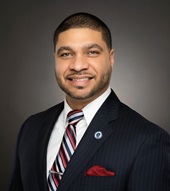
Rep. Orlando Ramos
Sponsored bills
Maddy summaryThis bill restricts woody biomass from being counted as an alternative energy source for new or large-scale power plants in Massachusetts. It specifically targets intermediate and large generation units, prohibiting them from using wood-based fuel to meet renewable energy requirements. However, the law includes a grandfather clause that protects existing facilities already certified as alternative energy units as of January 1, 2023. The changes take effect immediately upon the bill's passage, altering how future energy projects are classified and regulated.
Maddy summaryThis bill creates a commission to investigate why substance use disorders and overdoses disproportionately affect minority communities in Massachusetts. The commission will analyze current data on treatment access, identify barriers such as a lack of culturally appropriate care, and propose solutions to reduce overdose deaths. Its members include state health officials and eight individuals appointed by the governor from various advocacy groups and community organizations. The group is required to submit an annual report with its findings and recommendations to the state legislature by January 1 of each year.
Maddy summaryThis bill creates a special commission to examine how judges in Massachusetts are nominated, selected, appointed, and overseen. The commission will be made up of representatives from the governor, the state legislature, various bar associations across the state, and diverse legal and civic groups. Its main task is to study the current system and propose ways to improve judicial accountability, specifically looking at standards for reappointing judges. The commission must meet publicly within one month of being formed and submit its final report by December 1, 2024. Members of the commission serve without pay, though the group can request funds or donations to carry out its work.
Maddy summaryThis bill establishes a special legislative commission to study ways to increase racial diversity among judges in Massachusetts. The commission will consist of 15 members, including representatives from various legislative caucuses, government agencies, and legal organizations, with a specific requirement that governor-appointed members reflect the state's population demographics regarding gender and race. The group is tasked with evaluating the current state of diversity in the judiciary, assessing the impact of potential legislative actions, and developing recommendations for improving representation. The commission must submit its findings and proposals by December 31, 2024, to state officials.
Maddy summaryThis bill prohibits Massachusetts state law enforcement agencies, municipalities, and other subdivisions from entering into, extending, or renewing any contracts with the federal government. The law specifically targets agreements related to civil immigration detention and restricts such partnerships to a maximum of ninety days after the bill takes effect. It empowers the state Attorney General to sue entities that violate these restrictions and allows private citizens to file lawsuits against violators. The legislation aims to limit state involvement in federal immigration enforcement while ensuring that local officers can still perform their standard public safety duties.
Maddy summaryThis bill requires banks in Massachusetts to include their community reinvestment goals and the most recent rating from the commissioner in their annual reports. The change directly affects financial institutions subject to reporting under chapter 167 of the General Laws by mandating that these specific details be part of their strategic plans. By updating the existing reporting requirements, the legislation ensures that information about how banks plan to invest in their communities is consistently included in official filings.
Maddy summaryThis bill directs the Massachusetts School Building Authority to allow funding for new or renovated swimming pools at specific schools. It targets facilities in municipalities with populations between 35,000 and 250,000 that have lower-than-average household incomes and lower-than-average rates of bachelor's degree attainment. By adjusting the grant program regulations, the legislation aims to make safe swimming pools more accessible to students in these designated communities.
Maddy summaryThis bill allows Massachusetts cities and towns to lower the maximum fees charged for involuntary vehicle towing during declared emergencies, such as snowstorms, natural disasters, or extreme weather events. When a local government activates this option, the highest allowable tow rate must be set at exactly half of the standard maximum rate established under current state law. To enforce this reduction, municipalities are required to include the new lower rate in their contracts with private tow service providers whenever they order a vehicle to be removed due to a parking violation during these specific crisis periods.
Maddy summaryThis bill requires that at least 30 percent of recipients for state grants under four specific economic development programs be minority-owned businesses or entities with boards where at least half the members are from minority groups. The legislation directly affects the Massachusetts Department of Economic Professional Development and Emerging Technologies by mandating these diversity quotas for funding distribution. By amending existing state laws, the bill ensures that a significant portion of public funds allocated to businesses supports ownership and leadership by minority communities.