

Maddy summaryHD 3502 requires health care employers (including hospitals, teaching hospitals, certain correctional facilities, and other specific health care settings) to create and maintain workplace violence prevention programs. Each year, employers must conduct risk assessments with employee input, develop written prevention plans covering training and reporting systems, designate a senior manager for crisis response, and submit annual incident reports to the state. The law prohibits retaliation against employees who report safety concerns and imposes fines of up to $2,000 per violation for non-compliance. These programs aim to protect employees, emergency medical personnel, and others working in health care facilities from violence risks.
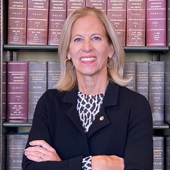
Rep. Carole Fiola
Sponsored bills
Maddy summaryThis bill defines "invasive surgical procedures" in Massachusetts law for Chapter 112 regulations. It specifies these include any procedures structurally altering the body through incisions, tissue destruction, or surgical implants (using tools like lasers, scalpels, or needles), but explicitly excludes epinephrine auto-injectors for anaphylaxis. The definition applies to existing rules and regulations under Chapter 112. The bill clarifies the term without changing current professional scopes of practice for licensed healthcare providers.
Maddy summaryThis bill requires public schools and districts to adopt policies restricting personal electronic device use during school hours and school activities to reduce distractions and support learning. The state education department must provide a model policy including secure device storage options, methods for parents to contact students during the day (including emergencies), and enforcement rules that prevent unfair discipline. Schools must file their adopted policies annually by September 1, with exceptions for students with disabilities, health accommodations, or emergencies. The policy must not lead to student expulsion or suspension solely for device use violations.
Maddy summaryHD 3108 restricts students in public school districts from using mobile devices (including cellphones, smart watches, and tablets) during school hours, with exceptions for safety emergencies, Individualized Education Plans (IEPs), English learner needs, or medical requirements. School districts must create written policies allowing device use only in these specific situations or for other reasonable exceptions that don’t disrupt learning. The state education department will develop model policies and a grant program to help schools purchase equipment like secure storage containers for devices. The bill requires school districts to implement these policies within 180 days of the law taking effect.
Maddy summaryThis bill requires all public buildings (including government offices, libraries, and public facilities) and public colleges to provide free menstrual products - such as tampons, sanitary napkins, and liners - in restrooms. It directly affects public agencies, employees, and visitors by mandating that these products be available at no cost, without stigma, in both public and private restrooms. The law specifies that products must be placed conveniently and accessibly, ensuring they are easily obtainable for anyone who menstruates. This policy change applies to all Commonwealth-owned or leased public buildings and public higher education institutions.
Maddy summaryHD 2877 creates the Perinatal Behavioral Health Care Workforce Trust Fund to address shortages in mental health providers specializing in perinatal care (pregnancy through one year post-birth). The fund provides grants to organizations developing training programs for behavioral health professionals serving perinatal individuals, with priority given to programs targeting medically underserved populations or areas with racial, geographic, or health outcome disparities. The Secretary of Health and Human Services must administer the grants, publish annual reports on grant recipients, participant demographics, and program impacts, and ensure funds address workforce shortages. This bill directly affects perinatal individuals (including new parents, adoptive/foster parents, and those experiencing pregnancy loss) in underserved communities by aiming to expand access to specialized mental health care.
Maddy summaryThis bill (HD 1253) allows law enforcement officers to submit criminal complaints electronically using an electronic signature, replacing the current requirement for in-person swearing under oath. It directly affects law enforcement officers who file criminal complaints in Massachusetts. The key provision amends statutes to permit electronic signatures for complaints submitted online, with officers affirming the complaint's truthfulness under perjury penalties instead of appearing before a justice or court. This streamlines the filing process while maintaining legal accountability. The bill does not change substantive criminal law but modernizes the procedural filing method.
Maddy summaryHD 1249 allows courts to offer counseling or support programs instead of fines for parents or guardians whose children miss school without a valid reason. It directly affects families facing school attendance charges and the courts handling these cases. If a parent and child complete the court-ordered program, the attendance charge is dismissed. The bill also requires these cases to be handled on a faster court schedule. This replaces fines with program completion as a resolution option.
Maddy summaryHD 1552 requires shelters, schools, and correctional facilities to provide free disposable menstrual products (like pads, tampons, and liners) to menstruating individuals without stigma. It applies to temporary housing providers (e.g., domestic violence shelters, emergency hotels), all public primary/secondary schools, and correctional facilities (jails, prisons). The bill mandates these products be available in convenient, non-stigmatizing ways, such as in restrooms. This directly affects menstruating people experiencing homelessness, attending school, or in detention. The law creates a new requirement for these specific institutions to cover the cost of products.
By Representative Fiola of Fall River, a petition (accompanied by bill, House, No. 236) of Carole A. Fiola and John R. Gaskey relative to mandated reporting of child neglect. Children, Families and Persons with Disabilities.