By Representative Barrett of North Adams, a petition (accompanied by bill, House, No. 3268) of John Barrett, III, Smitty Pignatelli and Carole A. Fiola for legislation to establish idling time limits for trains. Transportation.
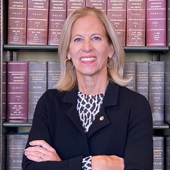
Rep. Carole Fiola
Sponsored bills
By Representative Haddad of Somerset, a petition (accompanied by bill, House, No. 2187) of Patricia A. Haddad and Carole A. Fiola relative to conducting fetal and infant mortality review. Public Health.
By Representatives Khan of Newton and Fluker Oakley of Boston, a petition (accompanied by bill, House, No. 2209) of Kay Khan, Brandy Fluker Oakley and others for legislation to establish a board of registration in midwifery and further regulating out-of-hospital birth access and safety. Public Health.
By Representative Fiola of Fall River, a petition (accompanied by bill, House, No. 2163) of Carole A. Fiola and others that the Division of Medical Assistance be directed to provide coverage for screenings for postpartum depression. Public Health.
Maddy summaryThis bill requires MassHealth to ensure that all Senior Care Options plans provide a specific dementia care coordination service to members diagnosed with Alzheimer's disease and related dementias. The legislation defines this service as a proactive care consultation designed to help individuals receive cost-effective and quality care within the existing senior care framework. By adding this requirement to state law, the measure directly affects seniors enrolled in MassHealth's Senior Care Options programs who have been diagnosed with these conditions.
By Representative Fiola of Fall River, a petition (accompanied by bill, House, No. 2162) of Carole A. Fiola and others for legislation relative to acupuncture detoxification specialists. Public Health.
By Representative Fiola of Fall River, a petition (accompanied by bill, House, No. 2164) of Carole A. Fiola and others relative to patient assessment and notification prior to prescribing certain medications. Public Health.
Maddy summaryThis bill requires healthcare practitioners in Massachusetts to educate patients about the risks of prescription opioids when issuing specific high-risk prescriptions. The law mandates that doctors explain the need for an overdose reversal agent, such as naloxone, if a patient meets certain criteria, including taking high doses of opioids, using benzodiazepines, or having a history of substance use disorder. If a practitioner decides not to provide this education, they must document in the patient's medical record why the reversal agent was deemed unnecessary. The measure directly affects physicians and other providers who prescribe Schedule II opioids and aims to improve patient safety through mandatory counseling.