

Maddy summaryThis bill proposes a constitutional amendment to allow Massachusetts to tax agricultural and horticultural land based on its farming value rather than its potential market value. The change would directly affect landowners who actively use their property for farming or gardening, potentially lowering their property taxes. To qualify for this reduced valuation, a land parcel must have been used for these purposes for at least two years and meet specific size requirements depending on the municipality's population. The amendment requires approval by the state legislature and a vote from the public to become part of the state constitution.
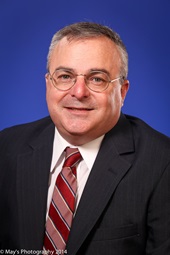
Rep. David DeCoste
Sponsored bills
By Mr. Tarr, a petition (accompanied by bill) (subject to Joint Rule 12) of Bruce E. Tarr, Peter J. Durant, Ryan C. Fattman, Patrick M. O'Connor and other members of the General Court for legislation to enhance the authority of courts to protect public safety. The Judiciary.
By Representative Garlick of Needham, a petition (accompanied by bill, House, No. 2330) of Denise C. Garlick and others relative to providing protections for health care employees who are victims of violence or assault and battery. Public Safety and Homeland Security.
By Representative Howitt of Seekonk, a petition (subject to Joint Rule 12) of Steven S. Howitt and others relative to federal motor vehicle safety standards compliance. Transportation.
By Representative Kearney of Scituate, a petition (accompanied by bill, House, No. 2567) of Patrick Joseph Kearney relative to disability pensions for violent crimes committed against certain public employees. Public Service.
Maddy summaryThis bill modifies Massachusetts property tax laws to clarify when specific tax exemptions take effect for eligible veterans. It requires that exemptions granted under certain clauses begin on the date the veteran receives their official disability letter from the Veterans Administration, rather than a later administrative date. Additionally, the bill directs the Division of Local Services to create rules for handling cases where veterans have already paid property taxes after receiving their disability award. These changes directly affect veterans and the local tax offices responsible for processing their exemptions.
By Representatives Jones of North Reading and Wong of Saugus, a petition (accompanied by bill, House, No. 2840) of Bradley H. Jones, Jr., Donald H. Wong and others relative to motor vehicle excise tax exemptions for 100 percent disabled veterans. Revenue.
Maddy summaryThis bill proposes to exempt low-income veterans from paying excise taxes on one personal motor vehicle in Massachusetts. To qualify, a veteran must have an annual income at or below 100 percent of the federal poverty level and must own or lease the vehicle for noncommercial use. Once an assessor grants this exemption, the veteran does not need to reapply in future years unless their income or vehicle ownership status changes. The legislation directly affects veterans who meet these specific financial and ownership criteria, relieving them of a specific vehicle registration fee.
Maddy summaryThis bill modifies the CHAMP system, which manages public housing applications in Massachusetts, to prioritize local residents over those who have not been screened as emergency applicants. Under the proposed changes, individuals would no longer be allowed to self-certify their emergency status to gain priority on waiting lists. The legislation aims to restore a process where local community members receive preference before non-emergency applicants are considered for housing units.
Maddy summaryThis bill modifies the state's CHAMP public housing application system to restore priority for local residents over applicants who have not been screened as emergencies. Under the proposed changes, individuals will no longer be able to self-certify their emergency status to gain placement on waiting lists. The legislation aims to shift decision-making power back to local housing authorities regarding how they prioritize applicants within their specific communities.