

Maddy summaryThis bill expands workplace protections for domestic violence victims by granting them up to 15 days of leave per year specifically to address abuse. It directly affects contract workers, who are individuals performing services for an employer but are not classified as traditional employees under current state law. The leave can be used for activities such as seeking medical care, obtaining legal assistance, securing housing, or attending court proceedings related to the abuse. While the bill mandates this time off, it leaves the decision regarding whether the leave is paid or unpaid entirely to the employer. Additionally, the law requires workers to provide advance notice unless there is an immediate threat to their safety, in which case they must notify their employer within three workdays.
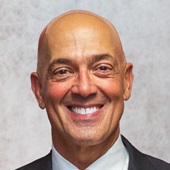
Rep. Steve Xiarhos
Sponsored bills
Maddy summaryThis bill creates a new subsidiary board to oversee the licensing and regulation of veterinary technicians in Massachusetts. The board would consist of five members appointed by the governor, including veterinarians, licensed technicians, and a public representative, who would work without pay to set rules for the profession. Key provisions define the specific roles of veterinary technicians and assistants, establish requirements for obtaining a license such as graduating from an accredited program and passing an exam, and mandate continuing education for licensed technicians. Additionally, the bill allows the board to create rules that may eventually limit licensure to individuals with formal degrees, while also defining the duties that licensed veterinarians can assign to technicians versus non-licensed assistants.
By Representatives Xiarhos of Barnstable and Durant of Spencer, a petition (subject to Joint Rule 12) of Steven George Xiarhos, Peter J. Durant and others relative to reimbursing cities, towns, and regional school districts for the costs of providing supportive services to migrants. Children, Families and Persons with Disabilities.
Maddy summaryThis bill aims to strengthen domestic violence protections in Massachusetts by formally defining "coercive control" as a specific pattern of behavior. It directly affects individuals experiencing abuse by legally recognizing actions such as isolating a partner from support networks, monitoring their finances or movements, and using threats to restrict their safety or autonomy. The legislation clarifies that these behaviors constitute abuse even if they do not involve physical violence, while explicitly stating that defensive actions taken to protect oneself or children do not count as coercive control. By adding this definition to state law, the bill seeks to ensure that courts and law enforcement can identify and address these non-physical forms of abuse more effectively.
Maddy summaryThis bill expands the legal definition of domestic violence in Massachusetts to include specific behaviors like coercive control and technological abuse. It clarifies that coercive control involves patterns of intimidation, isolation, or financial monitoring, while technological abuse covers actions such as cyberstalking, nonconsensual sharing of images, and electronic surveillance. The legislation also explicitly lists examples such as threatening deportation based on immigration status or forcing someone into criminal activity as forms of abuse. By updating these definitions, the law aims to provide clearer grounds for victims to seek protection orders against a wider range of harmful behaviors.
Maddy summaryThis bill authorizes the Barnstable County Retirement Board to allow Thomas Harmon to purchase creditable service for his military time. The legislation specifically permits this individual, who is already a member of the county retirement system, to count his military service toward his retirement benefits. It overrides existing state laws that might otherwise prevent this specific type of service purchase. The measure directly affects Thomas Harmon and the Barnstable County Retirement Board by establishing an exception for his case.
By Representative Durant of Spencer, a petition (subject to Joint Rule 12) of Peter J. Durant and others relative to eligibility for the emergency housing assistance program. Housing.
Maddy summaryThis bill, introduced by Representative James K. Hawkins, aims to update regulations regarding the use of pesticides in Massachusetts. It directly affects agricultural operations, pest control companies, and individuals who apply chemical treatments to manage insects or weeds. The legislation seeks to establish clearer standards for pesticide application, storage, and disposal to ensure public safety and environmental protection. By modernizing existing rules, the bill intends to provide a more robust framework for managing chemical substances across the state.
Maddy summaryThis bill updates Massachusetts pesticide regulations to require schools, child care centers, and universities to prioritize using safer pest control products. It mandates that these facilities use pesticides classified as exempt by the EPA or those containing only ingredients approved for organic farming, unless a hardship waiver is granted. The legislation also modernizes reporting requirements by specifying that certain records must be submitted electronically through a state portal.