By Mr. Feeney, a petition (accompanied by bill, Senate, No. 358) of Paul R. Feeney, Steven George Xiarhos, James B. Eldridge, Michael D. Brady and other members of the General Court for legislation to improve access, opportunity, and capacity in Massachusetts vocational-technical education. Education.
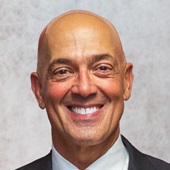
Rep. Steve Xiarhos
Sponsored bills
By Mr. Cronin, a petition (accompanied by bill, Senate, No. 326) of John J. Cronin and John F. Keenan for legislation to expand student opportunities in career technical education. Education.
Senate, November 17, 2025 -- The committee on Education, to whom was referred the petitions (accompanied by bill, Senate, No. 326) of John J. Cronin and John F. Keenan for legislation to expand student opportunities in career technical education; (accompanied by bill, Senate, No. 329) of John J. Cronin for legislation to construct vocational education annexes in gateway cities; (accompanied by bill, Senate, No. 330) of John J. Cronin and Vanna Howard for legislation to ensure that all students have an equal chance of being admitted to vocational programs; (accompanied by bill, Senate, No. 332) of John J. Cronin for legislation to expand student access to a vocational-technical education; (accompanied by bill, Senate, No. 358) of Paul R. Feeney, Steven George Xiarhos, James B. Eldridge, Michael D. Brady and other members of the General Court for legislation to improve access, opportunity, and capacity in Massachusetts vocational-technical education; and (accompanied by resolve, Senate, No. 384) of Edward J. Kennedy that provisions be made for an investigation and study by a special commission (including members of the General Court) to establish a commission to examine expanding vocational and technical high school access, report the accompanying bill (Senate, No. 2690).

Maddy summaryThis bill, known as "Matt's Law," requires correctional institution superintendents to secure all exercise equipment to prevent inmate removal. It specifically prohibits inmates in medium- or maximum-security facilities from accessing free weights. The law mandates that all exercise equipment must be secured to avoid being taken from the facility. These requirements apply directly to correctional institutions and their administrative staff managing inmate exercise areas.
Maddy summaryThis bill establishes the Massachusetts Municipal Building Authority to create a program providing financial assistance to towns for constructing and maintaining municipal buildings, such as town halls, community centers, and public facilities. It funds the program through a dedicated 0.5% sales tax on retail sales and services, deposited into a trust fund managed by the state treasurer. The authority will disburse funds directly to municipalities for projects addressing community needs, including downtown development, open space, and safe facility upgrades, without requiring annual state appropriations. The authority, composed of state officials and appointed experts in building construction and municipal management, will oversee the program to ensure cost-effective, well-planned investments in public infrastructure.
Maddy summaryHD 659 modernizes Massachusetts' competitive electricity market by requiring energy suppliers to implement faster customer switching (within 3 business days) and adopt a single bill format showing both energy and distribution charges. It directly affects energy marketers, distributors, and residential/small commercial customers by mandating licensing, $5 million bonds for suppliers, and standardized training for sales staff. Key provisions include streamlined billing for customers moving within a service area, third-party verification for in-person sales, and requirements for suppliers to pay distribution companies directly based on customer payments. The bill aims to simplify the market structure and improve transparency without changing energy production or pricing mechanisms.
By Mr. Feeney, a petition (accompanied by bill, Senate, No. 1845) of Paul R. Feeney for legislation relative to 911 emergency telecommunicators inclusion in the heart bill. Public Service.
Maddy summaryThis bill creates a Task Force to analyze electricity cost components affecting Massachusetts residential and commercial customers. The Task Force, chaired by the Attorney General and including utility representatives, will produce a report identifying all charges on electricity bills - such as distribution, transmission, and energy supply costs - along with historical and projected rate changes over 10 years. The report will compare Massachusetts rates to those in other New England states and key economic competitors. It will also examine how costs relate to greenhouse gas reduction goals and be subject to public comment before final submission to state leaders.
Maddy summaryThis bill amends a section of state law to add "Air Medal" to the list of military honors eligible for specialty license plates. It directly affects residents who wish to display license plates honoring military service, specifically allowing the "Air Medal" designation to be included alongside existing options like the "Distinguished Flying Cross." The key mechanism is a simple textual update to the law, inserting "Air Medal" after "Distinguished Flying Cross" in the relevant sections. This is a procedural change to license plate designations, not a new benefit or policy.
Maddy summaryHD 2877 creates the Perinatal Behavioral Health Care Workforce Trust Fund to address shortages in mental health providers specializing in perinatal care (pregnancy through one year post-birth). The fund provides grants to organizations developing training programs for behavioral health professionals serving perinatal individuals, with priority given to programs targeting medically underserved populations or areas with racial, geographic, or health outcome disparities. The Secretary of Health and Human Services must administer the grants, publish annual reports on grant recipients, participant demographics, and program impacts, and ensure funds address workforce shortages. This bill directly affects perinatal individuals (including new parents, adoptive/foster parents, and those experiencing pregnancy loss) in underserved communities by aiming to expand access to specialized mental health care.