

Maddy summaryThis bill expands Massachusetts' Paid Family and Medical Leave (PFML) program to include time off for individuals donating bone marrow, organs, or blood. It allows covered workers to take up to 30 days for living organ donation, five days for bone marrow donation, and up to 4 hours per year for blood donation without losing their benefits. The legislation also removes the standard seven-day waiting period for this specific type of leave and simplifies the certification process by requiring only basic details about the donation event from healthcare providers.
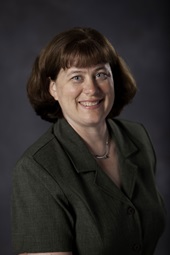
Rep. Tricia Farley-Bouvier
Sponsored bills
Maddy summaryThis bill proposes to dedicate state resources to maintain a robust and healthy public higher education system in Massachusetts. It directly affects the state's public colleges and universities by seeking to ensure they have the necessary funding to operate effectively. The legislation aims to commit financial support to these institutions to prevent cuts that could impact educational quality and access. By focusing on resource allocation, the bill intends to provide a stable foundation for public higher education without specifying exact dollar amounts or spending limits.
Senate, March 4, 2024 -- The committee on Labor and Workforce Development, to whom was referred the petitions (accompanied by bill, Senate, No. 1171) of Paul R. Feeney, Marc R. Pacheco, Jacob R. Oliveira, Sal N. DiDomenico and other members of the General Court for legislation to include offsite fabrication work for qualified projects under the prevailing wage laws of the Commonwealth; and (accompanied by bill, House, No. 1943) of Jeffrey N. Roy and others relative to compliance with prevailing wage laws for offsite fabrication, report the accompanying bill (Senate, No. 2603).
Maddy summaryThis bill expands the definition of "construction" under Massachusetts prevailing wage laws to explicitly include offsite fabrication work. By amending Section 27D of Chapter 149, the legislation ensures that workers performing manufacturing tasks away from the main construction site are eligible for the same wage protections as those on traditional building projects. The change directly affects contractors and employees involved in prefabricated building components, requiring them to adhere to state wage standards regardless of where the work is physically completed. This update aims to close a potential loophole where offsite fabrication was previously excluded from prevailing wage requirements.
Maddy summaryThis Massachusetts bill establishes a 10-year pilot program to create overdose prevention centers that allow trained staff to monitor individuals using pre-obtained drugs. These facilities aim to reduce the risk of disease transmission and prevent fatal overdoses by providing a safe environment for consumption. Eligible operators include private organizations and municipal departments, but they must first receive approval from their local board of health before applying for a license. The Department of Public Health is tasked with creating specific rules for these centers and must review applications and notify applicants of their decision within 45 days.
Maddy summaryThis bill directs the Department of Elder Affairs to develop a plan for providing specialized services to individuals with early-onset Alzheimer's disease who are enrolled in MassHealth's frail elder home and community-based services waiver. The legislation requires the department to identify specific needs and barriers faced by this population and propose strategies to improve care and support. Additionally, the bill mandates that the department report its findings and proposed plan to the Joint Committee on Elder Affairs by a specified deadline.
Maddy summaryThis bill amends Massachusetts law to ensure school districts receive full payment for transporting foster children between their foster homes and their schools of origin. It requires the state to jointly apply with the Department of Children and Families for federal funding under the Every Student Succeeds Act to cover these transportation costs. If the federal government does not provide enough money to cover the certified expenses, the state will pay the remaining balance directly to the school district. The legislation directly affects school districts, foster care placements, and the state departments responsible for education and child welfare.
Maddy summaryThis bill amends Massachusetts education laws to allow students to count their participation in 4-H programs as school attendance, equivalent to an educational field trip. It requires schools to provide opportunities for students to complete missed work and ensures that grades are not negatively impacted by their absence from class for these activities. The legislation also mandates that 4-H agents provide proof of participation upon school request, while explicitly excluding attendance credit during standardized testing periods or times when a student is suspended or expelled.
Maddy summaryThis bill requires insurance plans in Massachusetts that cover screening mammograms for state employees to also cover diagnostic breast cancer exams and digital breast tomosynthesis screenings without charging higher out-of-pocket costs. The legislation defines diagnostic exams as medically necessary tests used to evaluate abnormalities found during screenings or based on medical history, ensuring these services are treated with the same financial benefits as standard mammograms. Additionally, the bill creates an exemption for high-deductible health plans that use Health Savings Accounts, allowing them to maintain their tax-qualified status while still complying with state preventive care requirements. These changes aim to improve access to early detection tools for breast cancer across different types of insurance coverage within the state.