

Maddy summaryThis bill allows municipalities to permit duplexes, triplexes, quadplexes, and townhomes (up to five units total) on residential lots without zoning restrictions, as long as reasonable regulations like site plans and setbacks don't make development infeasible. It also eliminates minimum parking requirements for new residential projects and establishes streamlined approval for "Missing-Middle Housing Subdivisions" (smaller residential lots, max 10,000 sq ft each). The bill directly affects homeowners, developers, and municipalities by expanding housing options on existing residential properties. Key provisions require local zoning to allow these housing types "as of right" and create standardized subdivision guidelines for smaller lots. The changes apply to areas with municipal water/sewer systems and take effect 365 days after enactment.
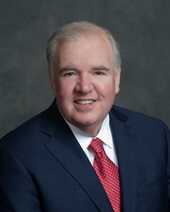
Rep. Kevin Honan
Sponsored bills
By Representatives Honan of Boston and Michael J. Moran of Boston, a petition (subject to Joint Rule 12) of Kevin G. Honan and Michael J. Moran for legislation to establish a sick leave bank for James Caruso, an employee of the Massachusetts Department of Transportation. Public Service.
Maddy summaryHD 3991 requires utility contractors performing street excavations (like for gas, electricity, or cable work) to pay prevailing wages as defined by Massachusetts labor standards. It mandates that contractors submit wage agreements before permits are issued and maintain detailed payroll records showing hours worked, occupations, and wage rates for all workers. This applies to projects requiring permits from state, municipal, or utility authorities, directly affecting utility companies and their contractors. The bill enforces these requirements through existing labor laws (Chapter 149, Sections 26-27F) and connects to permit issuance procedures under Chapter 30.
Maddy summaryHD 2100 establishes a Food Literacy Trust Fund to support school-based food literacy programs. The fund, financed by state appropriations, grants, and interest, allows the Department of Elementary and Secondary Education to provide resources and curricula on topics like nutrition, food systems, environmental connections, food justice, and culinary skills. Schools must incorporate these standards into existing subjects (e.g., science, math) and may use the fund for professional development. The bill requires annual reporting on fund use and program implementation to state education committees.
Maddy summaryThis bill amends Massachusetts health insurance laws to expand coverage for midwifery services. It updates definitions in multiple statutes to include "licensed certified professional midwives" alongside existing providers and removes the phrase "for abortion or abortion-related care" from coverage exclusions. These changes apply to health insurance policies under Chapters 32A, 118E, 175, 176A, 176B, and 176G, requiring insurers to cover a broader range of midwifery services without prior restrictions. The commissioner of health insurance must ensure compliance with these updated requirements.
Maddy summaryThis bill creates a student loan repayment program for human services workers in Massachusetts. It directly affects employees of community-based human services organizations (funded by state health, elder affairs, housing, or early education offices) who provide client support. Key provisions include: offering up to $30,000 in repayment assistance based on education level (associate, bachelor's, or master's degree), requiring a 1-3 year service commitment in an eligible setting, and prioritizing applicants working in designated health disparity communities (AHEM areas), earning under $60,000 annually, or possessing language skills matching community needs. The program aims to recruit and retain workers in high-need areas by reducing their student debt burden.
Maddy summaryHD 2335 requires health insurers and Medicaid plans in Massachusetts to cover biomarker testing for patients when the test is supported by medical evidence, such as FDA approvals, CMS guidelines, or nationally recognized clinical practice guidelines. It directly affects patients needing personalized treatment (e.g., cancer care) and insurers, mandating coverage for diagnosis, treatment, or monitoring of diseases. Key provisions include strict timelines for prior authorization decisions (72 hours standard, 24 hours in emergencies), limits on requiring multiple biopsies, and clear processes for patients to appeal coverage denials. The bill ensures access to evidence-based testing without unnecessary delays or disruptions in care.
Maddy summaryHD 3720 prohibits bullying in housing communities primarily for residents aged 55+ or with disabilities, including those subsidized by HUD or Massachusetts. It requires owner/managers to create and update evidence-based bullying prevention plans, provide training for staff and residents, and address incidents like cyberbullying, group bullying, or staff-condoned harassment. The law applies to on-site property, sponsored events, and off-site activities that create a hostile environment or disrupt community operations for affected residents. The Attorney General’s office must develop model plans, resources, and biennially survey communities to assess bullying prevalence and prevention effectiveness.
Maddy summaryH 4373 creates a tax credit for Massachusetts food businesses (like restaurants, farms, and grocery stores) that donate food to qualified nonprofits serving the needy. Donors can claim a credit equal to the fair market value of donated food (up to $25,000 annually), provided the nonprofit distributes it free or at cost with proper certification. The bill also provides legal liability protection for donors and distributors of donated food (including expired items), shielding them from civil damages unless the food was misbranded, handled negligently, or violated health regulations. It excludes alcohol, marijuana, and dietary supplements from coverage. This law directly affects food businesses, nonprofits, and food distribution programs across Massachusetts.
Maddy summaryThis bill establishes the Brooke Public Housing Apprenticeship program to train public housing residents in skills needed to prepare vacant apartments for occupancy. It requires the state housing and labor offices to create a training program developed with input from housing authorities, residents, and industry groups, focusing on job skills, placement, and long-term self-sufficiency. The program directly affects public housing residents (by offering training and jobs) and public housing authorities (by providing trained workers to prepare units efficiently). It authorizes labor department grants to fund the apprenticeship program, aiming to speed up reoccupancy while making better use of housing capital funds.