

Maddy summaryThis bill requires Massachusetts mental health providers to offer support groups as a treatment option during annual wellness exams. It mandates that patients receive a list of resources and, if diagnosed with a mental health condition, be referred to care accessible within six weeks. The legislation also establishes a state network of evidence-based support groups and requires annual reporting on referral success rates to track system performance.
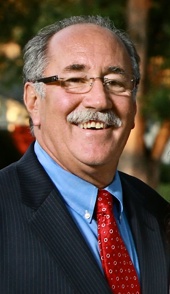
Rep. Jim O'Day
Sponsored bills
Maddy summaryThis bill proposes establishing a livable wage specifically for human services workers in Massachusetts. It directly affects employees of community-based organizations that receive funding from state agencies such as the Executive Office of Health and Human Services, the Executive Office of Elder Affairs, or the Department of Housing and Community Development. The legislation defines these workers as staff who provide treatment, support, or services to clients and their families, while defining the organizations as those with funded human services programs. By amending Chapter 6A of the General Laws, the bill creates a formal framework to ensure these essential workers are paid a wage deemed sufficient to meet basic living needs.
Maddy summaryThis bill modifies how Massachusetts calculates assets for seniors aged 65 and older who apply for state assistance programs. It clarifies that money moved into a special needs trust for these individuals counts as a resource only when the trust is actually used to buy goods or services for the person. By defining this specific type of transfer as a fair market value disposal, the law ensures that funds in the trust are treated correctly during eligibility reviews without changing the trust's protective purpose. The change directly impacts elderly residents and the state agencies that determine their access to public benefits.
Maddy summaryThis bill allows Massachusetts towns and cities to create their own rules for pesticides that are stricter than state standards. To pass such local rules, a city or town must get approval from its legislative body and its board of health. The law clarifies that these local regulations cover how pesticides are used and disposed of but do not apply to their transportation. By giving municipalities this authority, the bill aims to let communities tailor protections for their residents and environment to their specific needs.
Maddy summaryThis bill creates a new grant program to help community health centers in Massachusetts recruit and keep primary care doctors, mental health professionals, and other essential staff. To qualify for financial assistance, eligible workers must have student loans, commit to working at a community health center for at least four years, and not be enrolled in other loan repayment programs. The program prioritizes hiring a diverse workforce and will be managed by the Executive Office of Health and Human Services using existing state funds.
Maddy summaryThis bill amends Massachusetts law to change how special needs trusts for seniors are treated when determining eligibility for Medicaid. Currently, transferring assets into these trusts can be counted as a resource that might disqualify a person from receiving government health benefits. The proposed change would allow individuals aged 65 and older to place assets into these trusts without those funds being counted against them, provided the money is used only for the senior's benefit. This adjustment aims to help disabled seniors access Medicaid while still maintaining their financial support through private trusts.
Maddy summaryThis bill directs MassHealth to provide funding specifically for graduate medical education residency training in primary care, behavioral health, and other physician shortage areas. The payments are intended to support community health centers and hospitals licensed in Massachusetts that host these residency programs. By allocating state funds to these specific training categories, the legislation aims to expand the availability of residency slots in critical medical fields.
By Representative O'Day of West Boylston, a petition (accompanied by bill, House, No. 2618) of James J. O'Day and Daniel M. Donahue relative to retirement benefits for certain employees of the Department of Correction. Public Service.
Maddy summaryThis bill establishes a Clean Heat Standard in Massachusetts that requires natural gas and heating fuel providers to reduce greenhouse gas emissions in the residential, commercial, and industrial sectors. To meet this goal, the state will create a system of tradeable credits called Clean Heat Credits, which represent the pollution reduction achieved by installing specific low-emission heating technologies. The Department of Energy Resources will oversee the program and define which heating measures qualify, while explicitly excluding simple switches between fossil fuels or the use of renewable natural gas and hydrogen. Obligated parties must retire a certain number of these credits to comply with the state's broader climate goals, effectively shifting the financial burden of decarbonizing heating systems onto fuel suppliers rather than consumers.
By Representative Donahue of Worcester, a petition (accompanied by bill, House, No. 2149) of Daniel M. Donahue and others for legislation to ensure safe medication administration. Public Health.