

Maddy summaryThis bill creates an agricultural healthy incentives program in Massachusetts that directly affects Supplemental Nutrition Assistance Program (SNAP) recipients. The program would allow these individuals to receive a matching benefit on their EBT cards when they purchase fresh, canned, dried, or frozen fruits and vegetables at participating vendors. The Department of Transitional Assistance, in partnership with the Department of Agricultural Resources and the Department of Public Health, would operate the program and set specific spending limits. This initiative aims to encourage healthier food choices among low-income families by providing financial incentives for buying produce.
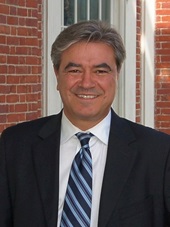
Rep. Tony Cabral
Sponsored bills
Maddy summaryThis bill aims to improve early education and care in Massachusetts by making services more affordable, accessible, and high-quality for children and their families. It seeks to support child development and strengthen the state's economy by expanding access to these essential services. The legislation outlines specific goals to enhance the quality of care and reduce costs, though the provided text does not detail the exact funding mechanisms or implementation steps.
Maddy summaryThis bill establishes a new Universal Pre-Kindergarten Commission to study how Massachusetts can provide pre-kindergarten education to every three- and four-year-old child in the state. The commission will be led by the Department of Early Education and Care and include representatives from various sectors, such as private preschools, teachers' unions, and school superintendents, to analyze different program models and funding options. By December 31, 2024, the commission must submit a report with specific recommendations on how to expand access, ensure quality standards, and determine the most effective way to finance the program. Additionally, the bill mandates that any surplus funds remaining in the Convention Center Fund after covering its required expenses be transferred to the Department of Early Education and Care to support the expansion of pre-kindergarten offerings.
Maddy summaryThis bill proposes to make full-day kindergarten mandatory for all children of kindergarten age in Massachusetts. It directly affects public school districts and families by requiring the state board to set age rules that ensure every child attends a full-day educational program rather than a half-day session. The legislation achieves this by amending existing state laws to explicitly mandate full-day attendance and to include full-day kindergarten students in specific legal definitions.
Maddy summaryThis bill proposes to increase unemployment insurance benefits for low-wage workers in Massachusetts by changing how weekly payments are calculated. Under the new rules, weekly benefits would be set at 50% of a worker's average weekly earnings during their base period, rather than a fixed multiple of a standard rate. Additionally, the total amount of benefits a worker can receive over a year would be increased to 60% of their base period wages. These changes aim to provide higher financial support to individuals earning lower incomes who lose their jobs.
Senate, January 29, 2024 --The committee on Consumer Protection and Professional Licensure, to whom was referred the petitions (accompanied by bill, Senate, No. 175) of Cindy F. Friedman, Joanne M. Comerford, Carmine Lawrence Gentile, Lydia Edwards and other members of the General Court for legislation relative to the disclosure of toxic chemicals in children’s products; and (accompanied by bill, House, No. 318) of James K. Hawkins and others for legislation to direct the Department of Environmental Protection to publish a toxic chemicals of concern consumer products list, report the accompanying bill (Senate, No. 2564).
Senate, January 29, 2024 --The committee on Consumer Protection and Professional Licensure, to whom was referred the petitions (accompanied by bill, Senate, No. 213) of Michael F. Rush for legislation relative to the licensure of appraisers; (accompanied by bill, Senate, No. 214) of Michael F. Rush and Paul McMurtry for legislation relative to the licensure of appraisers; and (accompanied by bill, House, No. 262) of Tackey Chan, Paul R. Feeney and others relative to the licensure of appraisers, report the accompanying bill (Senate, No. 2568).
Maddy summaryThis bill directs the Massachusetts Department of Environmental Protection to create and publish a list of toxic chemicals of concern found in consumer products intended for children. The legislation defines "children" as individuals aged 12 and under and includes a wide range of items such as toys, clothing, cosmetics, car seats, and artificial turf fields. To determine which chemicals are harmful, the law requires the department to consult with recognized authoritative bodies like the EPA and the International Agency for Research on Cancer. Once the list is compiled, it will be made available to the public to inform parents and consumers about potential health risks in products used by young people.
Maddy summaryThis bill establishes a new Auto Damage Appraiser Licensing Board within the Division of Occupational Licensure to regulate professionals who assess vehicle damage. The board will consist of seven members appointed from the auto body repair industry, insurance companies, the Attorney General's office, and consumer representatives, with one member serving as chair. Key provisions include limiting members to two consecutive three-year terms and requiring vacancies to be filled within 60 days. The legislation aims to create a structured oversight body specifically for auto damage appraisers in Massachusetts.
Maddy summaryThis bill amends Massachusetts law to formally define and address psychological abuse in the workplace, directly affecting employers, employees, and independent contractors. It introduces specific legal definitions for terms such as bullying, mobbing, and toxic work environments to clarify what constitutes mental mistreatment. The legislation also establishes new terminology for psychological injury, ensuring that mental harm is recognized with the same evidentiary standards as physical injury. By updating Chapter 149 of the General Laws, the bill aims to create a clearer legal framework for identifying and addressing non-physical harassment and abuse in employment settings.