

Maddy summaryHD 3454 clarifies the definition of fraud in public construction bidding to better protect government projects. It requires bidders to certify under penalty of perjury that their bids contain no intentional misrepresentations, omissions, or false statements, and expands the definition of "person" to include all business entities. The bill also adds a specific fraud definition covering knowingly false statements, misleading acts, or reckless disregard of truth intended to mislead. These changes directly affect contractors and bidders submitting proposals for public construction projects in Massachusetts. The law updates certification requirements in bid submissions and appeal grounds to address fraudulent practices.
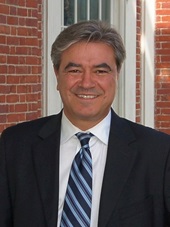
Rep. Tony Cabral
Sponsored bills
Maddy summaryThis bill amends Massachusetts law regarding public construction contracts by changing disclosure rules for contractor applications. It specifically removes financial information from being considered "public record" in applications for a certificate of eligibility and update statements, while keeping other application details public. The change directly affects contractors seeking public construction work who must submit these applications. The key mechanism is a precise textual amendment to two sections of Chapter 149, ensuring financial details remain confidential under the law.
Maddy summaryThis bill creates a new Auto Damage Appraiser Licensing Board within Massachusetts' occupational licensure division. The board, consisting of seven members, will directly affect auto damage appraisers, insurance companies, auto body repair shops, and consumers by setting licensing standards. Key provisions include requiring the governor to appoint two industry representatives (auto repair and insurance), the attorney general to appoint a consumer advocate and a neutral office representative, and the licensing commissioner to appoint a chair who cannot represent either industry. The board will handle licensing requirements, with members limited to two consecutive 3-year terms.
Maddy summaryThis bill extends the deadline for the House committee on State Administration and Regulatory Oversight to report on two specific House documents (3420 and 4071). It grants the committee until Wednesday, March 18, 2026, to complete this report, overriding the standard House Rule 27 timeline. The bill directly affects the committee and the processing of those two documents, with no substantive policy changes. It is a procedural adjustment to the committee's reporting schedule.
Maddy summaryHD 245 creates a state-wide pancreatic cancer initiative administered by the Department of Public Health. It establishes a 13-member pancreatic cancer advisory council (including patient advocates and representatives from cancer networks) to develop hospital certification standards, identify underserved areas for improved care access, create a multi-provider consortium for best practices, and develop a standard tissue consent form for research. The bill also mandates a comprehensive study on pancreatic cancer prevalence and patient needs, plus a public education program about genetic risks and symptoms. Additionally, it requires the insurance commissioner to survey genetic testing coverage and the health center to update pancreatic cancer screening benefit reviews by 2026. This bill directly affects pancreatic cancer patients, healthcare providers, and the state's public health infrastructure.
Maddy summaryHD 1258 requires all children to attend a full-day kindergarten program, directly affecting kindergarten-aged children in Massachusetts. The bill amends school attendance laws to mandate full-day programs instead of half-day options, changing the age requirement for school enrollment. It also updates education statutes to explicitly include "any child enrolled in full-day kindergarten" within relevant provisions. This policy change shifts the standard for early education attendance without specifying funding or implementation details.
Maddy summarySD 2607 creates a special commission to study why electricity delivery costs are high in Massachusetts. The commission, including energy officials, consumer advocates, utility representatives, and business leaders, will examine factors driving up costs, compare Massachusetts to states with lower rates, and analyze future trends. It will propose specific policies and potential legislation to reduce delivery charges and prevent future increases. The commission must submit its findings and recommendations by December 31, 2025, to legislative leaders. This study directly affects Massachusetts residents through potential future policy changes to lower electricity costs.
Maddy summaryHD 371 restricts state funding for higher education capital projects by requiring them to meet specific geographic or timing criteria. Projects must either have started construction before July 1, 2021; be located in or adjacent to a "gateway municipality" (as defined by state law); or be within a gateway municipality, within 2000 feet of city hall, and within 500 feet of public transportation upon completion. This bill directly affects institutions seeking state capital investment funds for new construction or major renovations. The law ensures funds support projects aligned with state-defined gateway city development goals, not all higher education capital projects.
Maddy summaryHD 1374 establishes a commission to study how Massachusetts distributes unrestricted local aid to municipalities. The commission will examine the current formula for allocating this aid (excluding foundation aid), assess its fairness and effectiveness, and recommend changes to create a more equitable system. It will review factors like population shifts, tax base changes, and municipal service needs to determine if funding better matches community requirements. The commission, including state officials, legislative members, and appointed experts, must submit its findings and recommendations to the legislature within one year of the bill's passage. This bill directly affects all municipalities receiving unrestricted general government aid across Massachusetts.
By Representative Cabral of New Bedford, a petition (accompanied by bill, House, No. 299) of Antonio F. D. Cabral and others for legislation to further regulate business improvement districts. Community Development and Small Businesses.