

Maddy summaryThis bill aims to improve early education and care in Massachusetts by making services more affordable, accessible, and high-quality for children and their families. It seeks to support child development and strengthen the state's economy by expanding access to these essential services. The legislation outlines specific goals to enhance the quality of care and reduce costs, though the provided text does not detail the exact funding mechanisms or implementation steps.
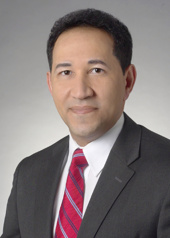
Rep. Carlos González
Sponsored bills
Maddy summaryThis bill mandates that all public schools in Massachusetts provide free breakfast and lunch to every student attending the school. To help cover these costs, the legislation requires schools to maximize the use of federal funding programs and assigns the state Department of Elementary and Secondary Education the responsibility of paying for any remaining expenses not covered by federal reimbursements. Additionally, the bill directs the state to create regulations that help families access supplemental nutrition assistance programs by offering application support or referrals to relevant agencies. These provisions are scheduled to take effect on July 1, 2023.
By Representative Higgins of Leominster, a petition (accompanied by bill, House, No. 2195) of Natalie M. Higgins and others for legislation to establish a sexual assault counselor task force. Public Health.
Maddy summaryThis bill requires employers working on large private construction projects in Massachusetts to publicly display specific compliance information at their job sites. It applies to residential developments with more than 10 units or commercial projects larger than 5,000 square feet that cost over $750,000. Under the new rules, employers must post a certificate showing they are registered and current on contributions, a notice with worker's compensation details, and a detailed log tracking who enters and leaves the site. Contractors and subcontractors must also provide these records to the Attorney General upon request for inspection.
Senate, January 25, 2024 --The committee on Consumer Protection and Professional Licensure, to whom was referred the petitions (accompanied by bill, Senate, No. 180) of Adam Gomez, Joanne M. Comerford, James B. Eldridge, John F. Keenan and others for legislation to end housing discrimination in the Commonwealth; and (accompanied by bill, House, No. 359) of Adrian C. Madaro, Carlos González and Kevin G. Honan for legislation to further regulate real estate brokers and salespersons, report the accompanying bill (Senate, No. 2566).
Maddy summaryThis bill aims to strengthen protections against housing discrimination in Massachusetts by updating the rules for the state's real estate licensing board. It requires the board to publish quarterly reports detailing complaints filed against brokers, the results of investigations, and the names of license holders who face disciplinary action for discrimination. Additionally, the legislation extends the time limit for filing certain housing discrimination complaints from ninety to one hundred and eighty days and mandates that real estate licenses be immediately suspended if a court finds a broker or salesperson violated fair housing laws. These changes directly affect real estate professionals, tenants, and the public by increasing transparency and accountability within the housing market.
Maddy summaryThis bill updates Massachusetts laws to strengthen consumer protections in automobile sales and leases. It primarily affects buyers of used vehicles by expanding the required warranty periods based on the car's mileage, ensuring that cars with fewer miles have longer coverage than those with more. The legislation also clarifies legal definitions for terms like "retail seller" and "lease agreement" to cover modern financing and leasing arrangements. Additionally, the bill increases the financial bond amount required from dealers from $25,000 to $50,000 to provide greater security for consumers. These changes aim to modernize existing regulations and ensure they apply effectively to current car buying practices.
Maddy summaryThis Massachusetts bill updates the legal definition of fraud within public construction bidding to help ensure fair competition for government projects. It requires bidders to explicitly certify that their bids contain no intentional misrepresentations, omissions, or false statements, while also clarifying that the term "person" includes various business entities and joint ventures. The legislation further defines "fraud" as a knowingly false or misleading statement about a material fact intended to deceive, and it revises the definition of a "responsible" bidder to emphasize necessary skill, ability, and integrity. These changes directly affect construction companies and individuals submitting bids for state contracts by establishing clearer standards for honesty and accountability in the bidding process.
Maddy summaryThis bill creates a new program called the Food Justice Frontline to provide paid work opportunities in food production, distribution, preparation, and delivery for residents living in food-insecure areas of Massachusetts. The program would offer grants of up to $500,000 to nonprofit organizations that operate in communities facing high levels of environmental pollution and low income, requiring those organizations to hire local residents at a wage calculated based on state per capita income. The Massachusetts Department of Agricultural Resources would manage the program, set application rules, and ensure that grant funds are used exclusively to create these jobs within the targeted overburdened communities.