

Maddy summarySB 26 creates a new Assistant Commissioner for Public Employees’ Safety and Health and establishes a dedicated unit within Maryland’s Labor and Industry Division to oversee workplace safety for all public employees, including government workers in schools, hospitals, and public works. It requires new regulations to prevent workplace violence in government settings, removes a ban on applying safety penalties to public bodies, and redirects civil penalty revenues to fund the state’s apprenticeship program. The bill modifies existing safety laws to specifically apply to public employers, ensuring government workplaces must meet the same safety standards as private businesses. This directly affects all public employees across Maryland’s state and local government agencies.
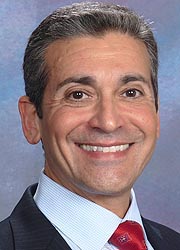
Sen. Ben Kramer
Sponsored bills
Maddy summarySB 981 requires Maryland hospitals to provide free medically necessary care to patients with family income at or below 200% of the federal poverty level and reduced-cost care to those between 200-500% FPL who face financial hardship (defined as medical debt exceeding 25% of family income over 12 months). It mandates a 75% reduction in patient costs for individuals earning 201-250% of the poverty level and prohibits hospitals from filing lawsuits to collect debts under a specified low threshold. The bill also extends the time before interest accrues on medical debt and adds requirements for hospitals to clearly explain financial assistance policies to patients. These changes directly affect low- and middle-income patients with hospital bills and hospitals operating in Maryland.
Maddy summarySB 376 allows counties to conduct nursing home inspections upon request, shifting this responsibility from the state health department. The bill requires the Maryland Department of Health and the requesting county to share the costs of these inspections equally. It does not change existing requirements for annual inspections, unannounced visits, or complaint investigations (which remain under state oversight), but instead modifies how inspections are administered by adding county delegation as an option. This directly affects nursing homes (through potential county inspections) and counties (which gain new inspection authority).
Maddy summarySB 547 establishes a 18-member Commission to study whether pooling public employee health insurance purchasing across Maryland's State, counties, municipalities, and school boards would save costs while maintaining benefits. The Commission includes representatives from state agencies (like Budget and Management, Insurance Commissioner), local governments (counties, cities, school boards), labor unions (AFSCME, SEIU), and healthcare experts. It will analyze existing health insurance data to assess fiscal impacts and barriers to implementing a shared purchasing system. This bill creates a study group but does not change current insurance policies or require immediate action.
Maddy summarySB 748 requires Maryland's Department of Health to update public health outreach programs with information about FDA-approved treatments for Alzheimer's disease and related dementias, including educating healthcare providers on early detection and the value of regular check-ups for older adults. It also mandates the creation of a public website providing downloadable data on the disease's prevalence and hospitalization rates, disaggregated by age, sex, race, ethnicity, and county. The website must include data from the prior five years and be updated annually starting in 2027. This aims to improve awareness and reduce risk in communities disproportionately affected by Alzheimer's, such as Black and Latino populations.
Maddy summarySB 374, the James "Jimmy" Malone Act, requires health insurers, nonprofit health plans, and HMOs in Maryland to cover preventive cancer screenings for professional firefighters - defined as those employed by state, county, or municipal entities - without copays, coinsurance, or deductibles. The bill mandates coverage aligns with guidelines from the International Association of Fire Fighters and applies to all health plans, including self-insured county/municipal programs and the state employee health program. It prohibits cost-sharing for these screenings, with limited exceptions for high-deductible health plans. The law takes effect January 1, 2026.
Maddy summarySB 602 requires Maryland county school boards to publish online a list of special education service delivery models available for both public school students and children with disabilities whose parents choose private schools (not those placed by public agencies). This list must include all models used within the school system and those provided specifically to privately-placed students. The bill mandates clear online disclosure to increase transparency for parents making education decisions. The requirement takes effect July 1, 2025.
Maddy summarySB 372, the Preserve Telehealth Access Act of 2025, permanently extends current rules allowing audio-only telephone calls to count as "telehealth" for reimbursement purposes under Maryland's Medicaid program and private insurers. The bill repeals the June 30, 2025, expiration date for this provision in Maryland law, making it permanent. It directly affects the Maryland Medical Assistance Program, private health insurers, nonprofit health service plans, and health maintenance organizations (HMOs) that cover telehealth services. The key change is ensuring these entities must continue reimbursing for audio-only telehealth visits at the same rate as in-person care, without requiring video technology, for covered health services.
Maddy summaryThis bill renames Maryland's Chesapeake Conservation Corps Program to honor former Senate President Thomas V. Mike Miller, Jr. It updates the program's official name throughout state law to "Thomas V. Mike Miller, Jr. Chesapeake Conservation and Climate Corps Program" without changing the program's structure, funding, or operations. The renaming applies to all references in Maryland's Natural Resources and State Government codes, including funding provisions and program administration details. The program - administered by the Chesapeake Bay Trust and focused on environmental conservation projects - remains unchanged in its purpose and implementation.
Maddy summarySB 491 defines "honorable discharge" for Maryland state benefits to include discharges solely based on sexual orientation or gender identity, discharges related to statements/acts about orientation/identity (if prohibited at the time), or discharges tied to PTSD/TBI diagnoses or disclosed sexual trauma at VA facilities. This change directly affects veterans applying for Maryland state programs like housing, education, or employment benefits. Veterans must now submit documentation explaining their discharge basis to qualify under this expanded definition. The law takes effect October 1, 2025.