

Maddy summaryHB 1483 requires Maryland public schools to issue simultaneous bids for boys' and girls' high school sports officiating services (like referees for basketball or soccer) and prohibits pay disparities between genders for similar sports. Schools must reject any bid that would result in different pay rates for officials officiating comparable boys' and girls' sports events. The bill allows schools with existing contracts to extend them until July 2029 to align timelines for similar sports, but new contracts must follow these rules starting July 1, 2025. It directly affects school systems hiring officiating services for high school athletic competitions.
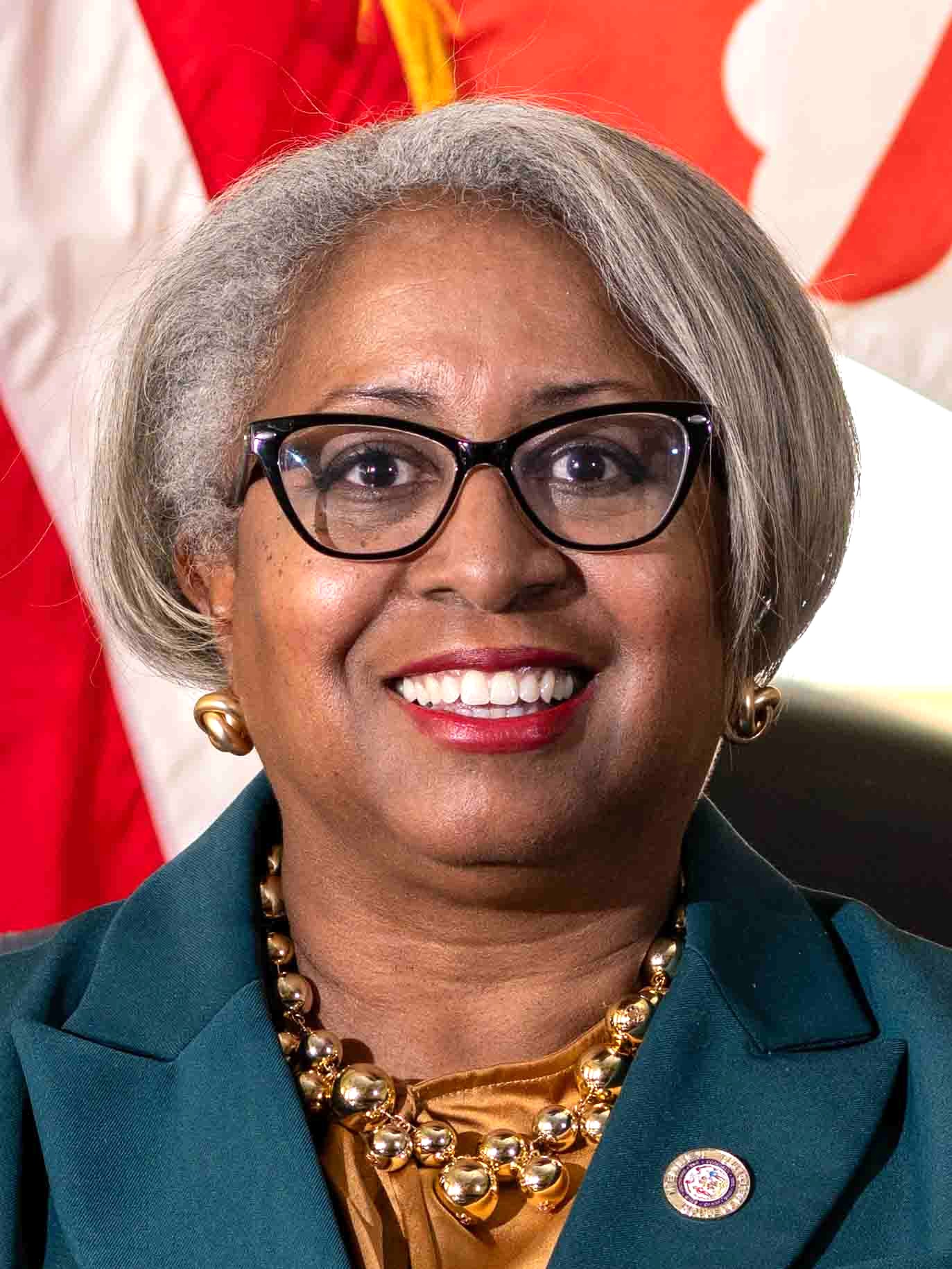
Rep. Sandy Bartlett
Sponsored bills
Maddy summaryThis bill requires boaters involved in accidents causing injury or death to stop near the scene, return to remain there until assisting others, and provide their name, address, and vessel ID to injured persons. It defines "serious bodily injury" (e.g., risk of death, permanent disfigurement) and sets penalties: up to 1 year/$3,000 for injury, 5 years/$5,000 for death, or 10 years/$10,000 if the operator knew injury/death was likely. Boaters must also report serious accidents (death, disappearance, injury requiring medical care beyond first aid) within 48 hours to Maryland’s Department of Natural Resources. The law applies to all vessel operators in Maryland waters who cause accidents meeting these injury/death thresholds.
Maddy summaryHB 1147 requires the Maryland Parole Commission to improve transparency and equity in parole decisions. It mandates annual reports that break down parole outcomes by race, requires the Commission to provide incarcerated individuals with key documents in advance (not just on request), and prohibits permanent parole denials. The bill also requires the Commission to publicly share hearing transcripts (after redaction), state reasons for denials, and document all decisions on the record. These changes directly affect incarcerated individuals in Maryland seeking parole and the Commission's operational procedures.
Maddy summaryHB 1352 prohibits Maryland institutions of higher education from denying students access to facilities or services due to sickle cell disease diagnosis and requires them to provide reasonable accommodations. The bill mandates the Maryland Department of Health to develop an education campaign for campuses about sickle cell disease challenges, create uniform procedures with the Maryland Higher Education Commission for supporting affected students, and compile training materials for faculty and staff. Institutions must also establish clear reporting procedures for violations and publicly share accommodation policies. These requirements take effect October 1, 2025, directly impacting all Maryland colleges and universities and students with sickle cell disease.
Maddy summaryHB 1198, the Monica Cooper Prerelease Act, requires Maryland to establish a dedicated prerelease facility for female incarcerated individuals in Baltimore City (on at least 3 acres) by 2027. The facility must serve women with low violence/escape risk and satisfactory behavior, offering evidence-based programs like education, vocational training, trauma-informed healthcare, and family reunification support. It mandates the Department of Public Safety to provide comprehensive rehabilitative services - including help with public health benefits applications - and report progress to lawmakers by 2026. This bill directly affects female inmates eligible for prerelease status, aiming to reduce recidivism through gender-responsive reentry planning.
Maddy summaryHB 769 delays residential foreclosure filings by requiring a 90-day waiting period after a payment default and mandating a 45-day notice of intent to foreclose before filing. It requires lenders to provide written loan details (including payment history and current balance) in foreclosure filings and allows homeowners to raise a defense if lenders delay filing excessively. The bill specifically affects Maryland homeowners with owner-occupied residential properties (up to four units) and lenders seeking to foreclose on mortgages that are significantly overdue. These changes amend Maryland's foreclosure law to add procedural safeguards before foreclosure actions can proceed.
Maddy summaryHB 386 prohibits the use of pesticides containing PFAS chemicals (a class of fluorinated chemicals) at specific locations, including schools, healthcare facilities, day cares, residential lawns, and commercial mosquito spraying, beginning June 1, 2026. The Maryland Department of Agriculture must create and maintain a list of all PFAS pesticides by January 1, 2026, and distribute it to certified applicators. The bill also bans new registrations of PFAS pesticides for sale in Maryland starting June 1, 2027, and prohibits all use of these pesticides statewide after June 1, 2028. This directly affects pesticide manufacturers, certified applicators, and entities using pesticides in the specified locations.
Maddy summaryHB 1306 requires Maryland’s Department of Health to establish three specialized clinics for sickle cell disease treatment in Montgomery County, Harford County, and an Eastern Shore county by 2027. These clinics must operate under a hub-and-spoke model, providing comprehensive care including pain management, mental health services, genetic counseling, and telehealth access to specialists, while addressing social barriers like transportation and housing. The bill also creates a scholarship program for medical residents specializing in hematology with a sickle cell focus, requiring them to practice in Maryland after training. Funding of $6 million for fiscal year 2027 must cover clinic operations, staffing, social support services, and prioritizes hiring specialists and addressing health disparities. The Department must annually report on clinic outcomes, patient access, and efforts to reduce health disparities.
Maddy summaryHB 1254 establishes a state program to provide funding to Maryland public and nonpublic schools participating in the federal child nutrition program's community eligibility provision. The program covers the difference between federal paid and free meal reimbursement rates, helping schools avoid financial shortfalls when serving more students at no cost. The State Department of Education will distribute funds based on poverty concentration and geographic diversity in school districts. The state will appropriate $10 million annually starting in fiscal year 2027 to support this program.
Maddy summaryHB 1287 prohibits manufacturing, selling, purchasing, receiving, or transferring "convertible pistols" in Maryland. A convertible pistol is defined as any semiautomatic pistol that can be converted into a machine gun solely by attaching a switch or auto-sear. The bill amends Maryland's Criminal Law to specifically target these firearms, directly affecting anyone handling such weapons or their conversion components. It does not ban all semiautomatic pistols, only those that meet this specific conversion definition. The law aims to prevent the use of devices that enable rapid-fire capabilities through simple attachment.