

Maddy summaryHB 627 establishes the Commission on History, Culture, and Civics in Education to improve how Maryland public schools teach U.S. and Maryland history, culture, and civics. The commission, composed of 16 members representing diverse groups (including Indigenous tribes, LGBTQIA+ communities, disabled individuals, teachers, and racial/ethnic communities), must examine contributions of marginalized groups and make recommendations to the State Board of Education. Key provisions require the commission to examine topics like Native American contributions, LGBTQIA+ history, and disability community impacts, while ensuring recommendations promote equitable learning for all students. The commission must publicly share meeting materials, reports, and livestream sessions online, with members serving four-year terms without pay but receiving travel reimbursements. This bill directly affects Maryland public school curricula and student learning experiences through its recommendations.
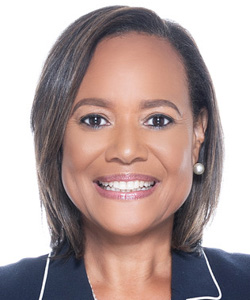
Del. Kym Taylor
Sponsored bills
Maddy summaryHB 1097 requires all Maryland public high schools to maintain a standardized injury log for athletic injuries occurring during school sports activities. The log must include specific details like date/time, sport, injury description, whether medical treatment was provided, and return-to-play authorization, and must be documented within 24 hours by coaches, trainers, or designated staff. Schools must retain these logs for five years and submit an annual, anonymized summary of all high school athletic injuries to the State Department of Education by July 1 each year (starting July 1, 2027). This law directly affects public high schools and their athletic staff, aiming to improve injury tracking and safety oversight while complying with student privacy laws.
Maddy summaryHB 1520 increases exemption limits for certain property debtors can protect from creditors in Maryland. It raises the household goods exemption from $1,000 to $5,000 (to $10,000 for disabled veterans) and increases the motor vehicle exemption to $25,000 for elderly or disabled debtors (up from $10,000). The bill also maintains existing exemptions for tools of trade ($5,000), firearms ($3,000), and professional items. These changes apply to debtors facing judgment enforcement or bankruptcy proceedings under Maryland law. The bill does not alter other existing exemptions like child support or retirement funds.
Maddy summaryHB 921 limits when minors in Maryland juvenile facilities can be placed in restrictive housing (isolation or special confinement). It prohibits using restrictive housing for discipline, punishment, or staff convenience, and requires facilities to use it only for immediate safety risks (like harm to self/others or facility security) for the shortest time possible (max 6 hours). Minors can request restrictive housing or withdraw that request at any time, and facilities must provide mental health screenings within 1 hour of placement. The bill also mandates that minors in restrictive housing receive the same access to phone calls, visits, medical care, education, and recreation as other minors, unless safety is at risk.
Maddy summaryHB 1617 establishes "Health Innovation Zones" in Maryland counties to address health disparities. It defines zones as areas with documented health gaps (like high maternal complications, chronic diseases, or low access to care) in communities of color, low-income areas, or immigrant populations. Counties must create incentives for grocery stores, pharmacies, and healthcare providers to locate in these zones, and Prince George’s County must designate specific zones (including the Blue Line Corridor and areas near DC) while seeking additional zones meeting the same criteria. The bill requires annual $5 million state funding starting in 2028 for the Maryland Economic Development Corporation to support these businesses and exempts them from local zoning laws within designated zones.
Maddy summaryHB 645 prohibits intentionally or knowingly providing assisted reproductive treatments (such as IVF, sperm/egg donation, or embryo transfer) using one's own sperm or eggs without the recipient's consent. It creates a felony offense punishable by up to 10 years in prison or a $5,000 fine, and establishes a civil right for affected individuals to sue for damages. The law allows birth mothers, their spouses/domestic partners, or the child born from the treatment to seek compensation - including coverage of treatment costs, up to $50,000 in fixed damages, and attorney fees - and grants children access to the provider's medical records via a protective order. Lawsuits must be filed within 10 years of the child turning 18, 20 years from the treatment date, or 2 years after DNA evidence confirms a claim. The bill takes effect October 1, 2026.
Maddy summaryHB 386 modifies Maryland's funding for the Washington Metropolitan Area Transit Authority (WMATA) by requiring the Governor to withhold 35% of annual grants under specific conditions. It directly affects WMATA and Maryland's budget process, mandating that the Governor withhold funds if WMATA fails to submit required reports (like safety assessments and financial data) or if it doesn't develop a rail signaling workforce transition plan by July 2028. The bill also requires WMATA to provide detailed annual reports on safety, ridership, finances, and capital investments to trigger full funding. If WMATA receives a modified audit opinion without a corrective plan, or misses the workforce plan deadline, the Governor must withhold the funds until these conditions are met.
Maddy summaryHB 1467 amends Maryland's criminal code to allow out-of-state, federal, or tribal court convictions for certain sex offenses to count as prior convictions for enhanced sentencing. Specifically, it expands the definition of "prior conviction" under fourth-degree sexual offense penalties to include crimes that would qualify as violations of specific Maryland statutes (e.g., sexual offenses involving minors) if committed in Maryland. This directly affects repeat offenders who have prior convictions for equivalent offenses in other jurisdictions, potentially leading to longer prison terms (up to 3 years) for subsequent offenses. The bill does not change the underlying offenses but modifies sentencing eligibility based on prior convictions from outside Maryland. It takes effect October 1, 2026.
Maddy summaryHB 1290 authorizes children involved in Maryland's Child in Need of Assistance (CINA) proceedings - where a child faces abuse, neglect, disability, or mental health issues requiring court intervention - to be present at their hearings. The bill requires courts to allow children’s presence unless the child’s attorney determines it’s not in the child’s best interest (with the child waiving their right) or the court makes that finding after considering alternatives. Before excluding a child, courts must explore less restrictive options like adjusting schedules, remote participation, trauma-informed support, or limiting courtroom time. This directly affects children in CINA cases handled by Maryland’s juvenile courts, modifying court procedures to prioritize their participation while ensuring safeguards.
Maddy summaryHB 1005, the Survivor Reporting Reform Act, requires Maryland's Department of Human Services to create a new form for professionals (like doctors, teachers, and social workers) reporting suspected child abuse or neglect when the victim is now an adult (18+). The form must include a notice explaining how the report will be used and ask the adult survivor if they want an investigation. It also mandates that reporters include specific details about the adult survivor (name, contact info) and their caregiver at the time of the abuse, while respecting the survivor's preference for investigation. This change aims to better support adult survivors' autonomy in reporting cases of childhood abuse.