Issue · Labor & Employment

Labor & Employment

Every labor & employment bill, vote, and legislator stance in Maryland, automatically classified by Maddy, our AI policy reader.

Total bills
169
2026 Regular Session
Top supporter
Nick Charles
100% support rate
Top opponent
William Folden
0% support rate
Ranked legislators
10
5 support · 5 oppose
Key legislators

Who's moving labor & employment in Maryland

Legislators moving labor & employment in Maryland
Legislator Party Stance Support rate Votes
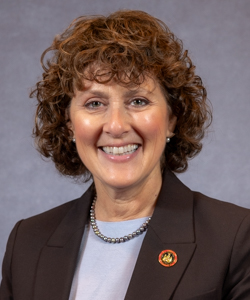
Nick Charles
Nick Charles Senate · District 25
D
Strong +
100% 83
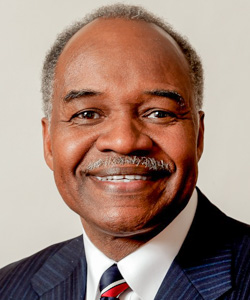
Shelly Hettleman
Shelly Hettleman Senate · District 11
D
Strong +
100% 100
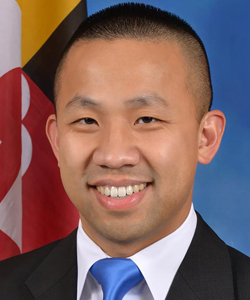
Dalya Attar
Dalya Attar Senate · District 41
D
Strong +
100% 70
Ben Brooks
Ben Brooks Senate · District 10
D
Strong +
100% 99
Clarence Lam
Clarence Lam Senate · District 12
D
Strong +
100% 97
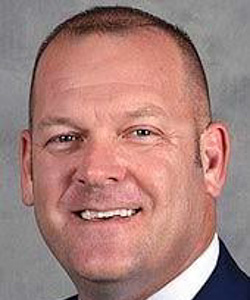
William Folden
William Folden Senate · District 4
R
Strong −
0% 81
Jason Gallion
Jason Gallion Senate · District 35
R
Strong −
0% 100
Steve Hershey
Steve Hershey Senate · District 36
R
Strong −
0% 97
Johnny Mautz
Johnny Mautz Senate · District 37
R
Strong −
0% 100
J.B. Jennings
J.B. Jennings Senate · District 7
R
Strong −
0% 100
Showing 81–90 of 169 bills

All labor & employment bills

signed · Maryland · House of Delegates Apr 28, 2026

HB 1194: Correctional Officers' Retirement System - Reemployment After Retirement - Exemption From Earnings Offset

HB 1194 exempts retired correctional officers from having their retirement benefits reduced if they return to work for specific state correctional agencies. The bill changes Maryland law so that retirees reemployed by the Division of Corrections, Division of Pretrial Detention, or Patuxent Institution as correctional officers or parole/probation staff for up to four years will not face the usual earnings offset that would lower their retirement payments. This applies only to those returning to correctional roles at these designated facilities, not to all retirees. The change removes a financial penalty currently applied when retirees work for the same type of employer (state or non-state) after retirement. It directly affects retired correctional officers who return to these specific state correctional positions.
in committee · Maryland · Senate Feb 12, 2026

SB 889: Consumer Protection and Labor and Employment - Electronic Shelving Labels and Surveillance-Based Price and Wage Setting - Prohibitions

SB 889 prohibits businesses from using consumer data (like browsing habits) to set dynamic prices for goods or services, and bans food retailers with over 15,000 square feet from using electronic shelf labels for pricing. Instead, these retailers must display prices using physical methods like stickers, tags, or signs. The bill also bans employers from using employee data to set wages and makes violations of these rules enforceable under Maryland's Consumer Protection Act. It directly affects large food retailers, businesses using data-driven pricing, and workers whose wages might be influenced by surveillance-based systems.
signed · Maryland · Senate Apr 28, 2026

SB 772: Maryland Department of Health - Employment Training and Opportunity Database

SB 772 requires the Maryland Department of Health to create and maintain a public database of employment training and job placement programs. The database will help residents find opportunities that can lead to eligibility for Medicaid (Maryland Medical Assistance Program) and SNAP (Supplemental Nutrition Assistance Program), including program details, application steps, and direct contact options. The Department must update the database every 30 days and assist individuals in enrolling in listed programs. Other state agencies, including the Department of Labor and Department of Human Services, must recommend programs for inclusion. This bill directly affects Maryland residents seeking to improve employment prospects while maintaining access to critical health and nutrition benefits.
in committee · Maryland · Senate Feb 11, 2026

SB 882: Income Tax - Credit for Student Loan Debt of Educators Working in Public Schools

SB 882 creates a state income tax credit for educators working full-time in Maryland public primary or secondary schools who have outstanding student loan debt. Eligible individuals must participate in the state's Career Ladder teaching program and certify they will use the credit for student loan repayment. The credit is claimed annually through the Maryland Higher Education Commission, with a $5 million annual cap, and paid out over five years (one-fifth each year). Recipients must verify continued employment in public schools and use the credit for loan repayment within three years, or repay the amount to the state if they fail to comply.
signed · Maryland · Senate Apr 28, 2026

SB 831: Labor Law - Child Labor Penalties, Private Sector Employee Labor Relations, and State Employee Labor Standards

SB 831 strengthens Maryland's child labor protections by establishing civil penalties for employers who violate child labor laws (replacing some misdemeanor penalties with fines), directly affecting employers and minors. It prohibits employers from supporting organizations that avoid federal labor law oversight (like those exempt from the National Labor Relations Act) and allows private employees to petition the Public Employee Relations Board for resolution of certain workplace issues. The bill also bans state government agencies from seeking federal waivers of the Fair Labor Standards Act. These changes impact employers, minors, private employees, and state employees across Maryland.
passed · Maryland · House of Delegates Mar 23, 2026

HB 1480: Labor Law - Child Labor Penalties, Private Sector Employee Labor Relations, and State Employee Labor Standards

HB 1480 strengthens child labor protections by prohibiting minors from working in specific hazardous occupations (like manufacturing hazardous substances, construction, or operating machinery) and imposing civil penalties of up to $10,000 for employers who violate these rules. It also creates a new process allowing private sector employees to petition the Public Employee Relations Board to resolve workplace disputes, while banning employers from supporting organizations exempt from federal labor law (like the National Labor Relations Act). Additionally, the bill prohibits state agencies in the Executive Branch from seeking federal waivers of the Fair Labor Standards Act. These changes directly affect employers, private employees, and state government entities in Maryland.
passed · Maryland · House of Delegates Mar 23, 2026

HB 1070: Department of Social and Economic Mobility - Workforce Opportunities Grant Program and Fund

HB 1070 establishes the Workforce Opportunities Grant Program and a dedicated Workforce Opportunities Grant Fund within Maryland's Department of Social and Economic Mobility. The program provides competitive grants to nonprofit organizations, local workforce boards, and employer-community partnerships to plan and host job fairs and workforce events connecting job seekers with employers across the state. The fund, which earns interest credited back to it, is a special nonlapsing account to support these grants. The bill modifies state finance and government codes to create this program and requires the Department to administer it, focusing on expanding job opportunities for residents.
signed · Maryland · Senate Apr 28, 2026

SB 740: Transportation Network Companies - Deactivation of Operators

SB 740 requires transportation network companies (like ride-hailing apps) to create and follow clear policies for deactivating drivers. It mandates that companies must notify drivers in writing before restricting their access to the platform for 48+ hours and provide specific reasons for deactivation. The bill directly affects drivers who use digital platforms to connect with passengers, ensuring deactivation decisions align with published policies. It also defines "egregious misconduct" (e.g., serious safety threats) as the only valid reason for deactivation beyond routine traffic violations.
Sub-Topics Gig Economy
passed · Maryland · House of Delegates Mar 23, 2026

HB 1325: Workers' Compensation - Evaluation of Permanent Impairments - Licensed Social Worker-Clinical

HB 1325 authorizes licensed clinical social workers to evaluate permanent impairments involving behavioral or mental disorders in Maryland workers' compensation claims. It requires these social workers to meet specific qualifications, including training in mental/behavioral conditions, rehabilitation counseling registration, two years of post-licensure experience, and COMAR authorization. The bill directly affects workers seeking compensation for mental/behavioral impairments and licensed clinical social workers who wish to provide these evaluations. It amends Maryland’s workers’ compensation law (Article 9, Section 9-721) to expand evaluation eligibility beyond psychologists and physicians. The changes take effect October 1, 2026.
in committee · Maryland · Senate Feb 12, 2026

SB 887: Labor and Employment - Greenhouse Workers - Collective Bargaining and Heat Protection

SB 887 establishes collective bargaining rights for greenhouse workers in Maryland, requiring employers in controlled-environment agricultural operations (like greenhouses) to allow employees to form or join unions. The bill creates new procedures for union elections, certification of representatives, and good-faith bargaining, overseen by the Secretary of Labor. It also mandates employer-provided rest breaks during extreme heat conditions to prevent heat-related illness, aligning with existing heat safety standards. This law directly affects greenhouse workers and their employers, adding specific protections not previously covered under Maryland labor law.
Showing 81 to 90 of 169 bills
Previous 1 8 9 10 17 Next