

Issue · Housing
Housing
Every housing bill, vote, and legislator stance in Maryland, automatically classified by Maddy, our AI policy reader.
Total bills
139
2026 Regular Session
Top supporter
Cheryl Kagan
100% support rate
Top opponent
Johnny Mautz
0% support rate
Ranked legislators
10
5 support · 5 oppose
Key legislators
Who's moving housing in Maryland
| Legislator | Party | Stance | Support rate | Votes |
|---|---|---|---|---|
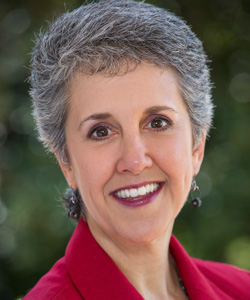
Cheryl Kagan
Senate · District 17
|
D |
Strong +
|
100% | 82 |
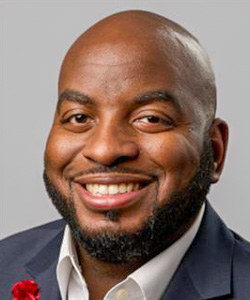
Kevin Harris
Senate · District 27
|
D |
Strong +
|
100% | 82 |
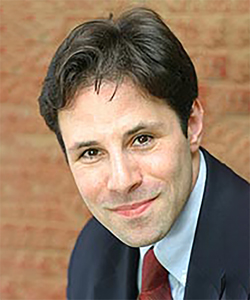
Craig Zucker
Senate · District 14
|
D |
Strong +
|
100% | 85 |

Dalya Attar
Senate · District 41
|
D |
Strong +
|
100% | 47 |

Dawn Gile
Senate · District 33
|
D |
Strong +
|
100% | 83 |
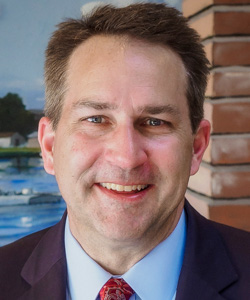
Johnny Mautz
Senate · District 37
|
R |
Strong −
|
0% | 85 |

Jack Bailey
Senate · District 29
|
R |
Strong −
|
0% | 80 |
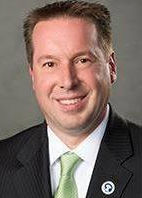
Paul Corderman
Senate · District 2
|
R |
Strong −
|
3% | 85 |
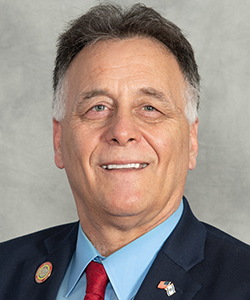
Johnny Salling
Senate · District 6
|
R |
Strong −
|
3% | 85 |
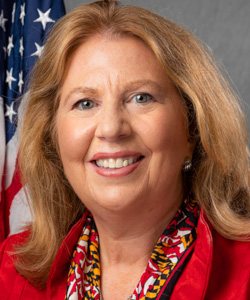
Mary Beth Carozza
Senate · District 38
|
R |
Strong −
|
3% | 85 |
Showing 91–100 of 139
bills
All housing bills
SB 379: Recovery Residence Grant Program - Funding
Topics
✓ Budget & TaxesSupports Budget & TaxesBill mandates annual $500k state budget allocation for recovery residences, ensuring stable funding for essential addiction support services through 2030.
✓ Criminal JusticeSupports Criminal JusticeFunds recovery residences for addiction rehabilitation, directly advancing criminal justice reform by supporting rehabilitation programs and reducing recidivism.
✓ HealthcareSupports HealthcareFunds addiction recovery residences (mental health support) via mandatory annual $500k budget allocation, preventing funding gaps for critical healthcare services.
✓ HousingSupports HousingFunds recovery residences (sober living housing) for addiction recovery, directly supporting affordable housing initiatives via annual budget allocation.
Sub-Topics
Substance Abuse
HB 432: Municipalities - Vagrancy - Repeal of Authority to Prohibit
Topics
✓ Criminal JusticeSupports Criminal JusticeRepeals vagrancy laws criminalizing homelessness/loitering, reducing unnecessary arrests and aligning with criminal justice reform principles.
✓ HousingSupports HousingRepeals vagrancy laws criminalizing homelessness, removing barriers for unhoused individuals and aligning with housing access protections
HB 169: Criminal Procedure - Expungement of Records - Good Cause
Topics
✓ Criminal JusticeSupports Criminal JusticeBill enables expungement of records for past convictions, promoting rehabilitation and reducing barriers to employment/housing - core criminal justice reform goals.
✓ HousingSupports HousingBill explicitly lists 'impact on housing' as a factor for expungement, removing criminal record barriers to housing access for individuals with past convictions.
✓ Labor & EmploymentSupports Labor & EmploymentBill explicitly considers 'impact of conviction on employment' as a factor for expungement, directly addressing employment barriers for individuals with criminal records.
HB 523: Real Property - Residential Foreclosures - Commencement Restrictions
Sub-Topics
Mortgages
HB 226: Department of Disabilities - Housing Programs and Affiliated Foundations - Establishment
Tags
People with Disabilities
SB 180: Evidence - Interception of Oral Communications - Fair Housing Testing
HB 602: Baltimore County - Transfer Tax - Exemption for First-Time Home Buyers
Topics
✓ Budget & TaxesSupports Budget & TaxesExempts first-time homebuyers from transfer tax, providing tax relief for lower-income residents. Directly reduces tax burden for qualifying individuals under budget/tax policy.
✓ HousingSupports HousingExempts first-time buyers from transfer tax, reducing upfront costs for homeownership and increasing affordability for primary residences.
HB 368: Prince George's County - Supplemental Homeowners' Property Tax Credit - Required PG 412-26
Topics
✓ Budget & TaxesSupports Budget & TaxesProvides tax relief via supplemental credit for lower/middle-income homeowners (under $75k income), reducing their property tax burden per income brackets.
✓ HousingSupports HousingProvides property tax credit reducing costs for low-income homeowners ($75k income cap), directly advancing affordable housing access through financial relief.
HB 391: Creation of a State Debt – Maryland Consolidated Capital Bond Loan of 2026, and the Maryland Consolidated Capital Bond Loans of 2015, 2016, 2017, 2018, 2019, 2020, 2021, 2022, 2023, 2024, and 2025
Topics
✓ Budget & TaxesSupports Budget & TaxesAuthorizes $1.824B in state debt for capital projects (facilities, grants), directly advancing fiscal management and infrastructure funding per budget & taxes topic.
✓ HousingSupports HousingAllocates $1.824B via grants for local housing development projects through state capital bond loans, directly funding housing-related capital projects.