Issue · Criminal Justice

Criminal Justice

Every criminal justice bill, vote, and legislator stance in Maryland, automatically classified by Maddy, our AI policy reader.

Total bills
28
119th Congress
Top supporter
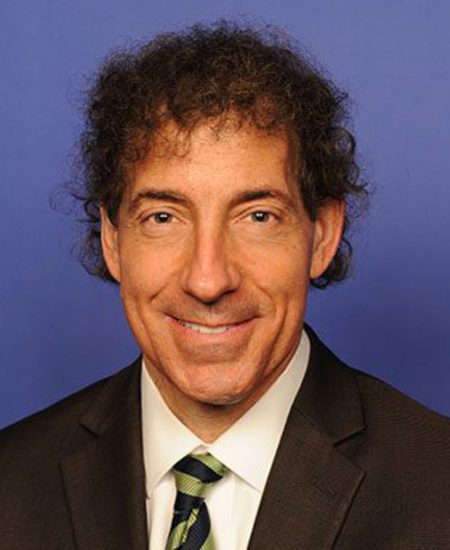
Jamie Raskin
63% support rate
Top opponent
Angela D. Alsobrooks
23% support rate
Ranked legislators
8
5 support · 3 oppose
Key legislators

Who's moving criminal justice in Maryland

Legislators moving criminal justice in Maryland
Legislator Party Stance Support rate Votes
Jamie Raskin
Jamie Raskin House · District 8
D
Support
63% 154
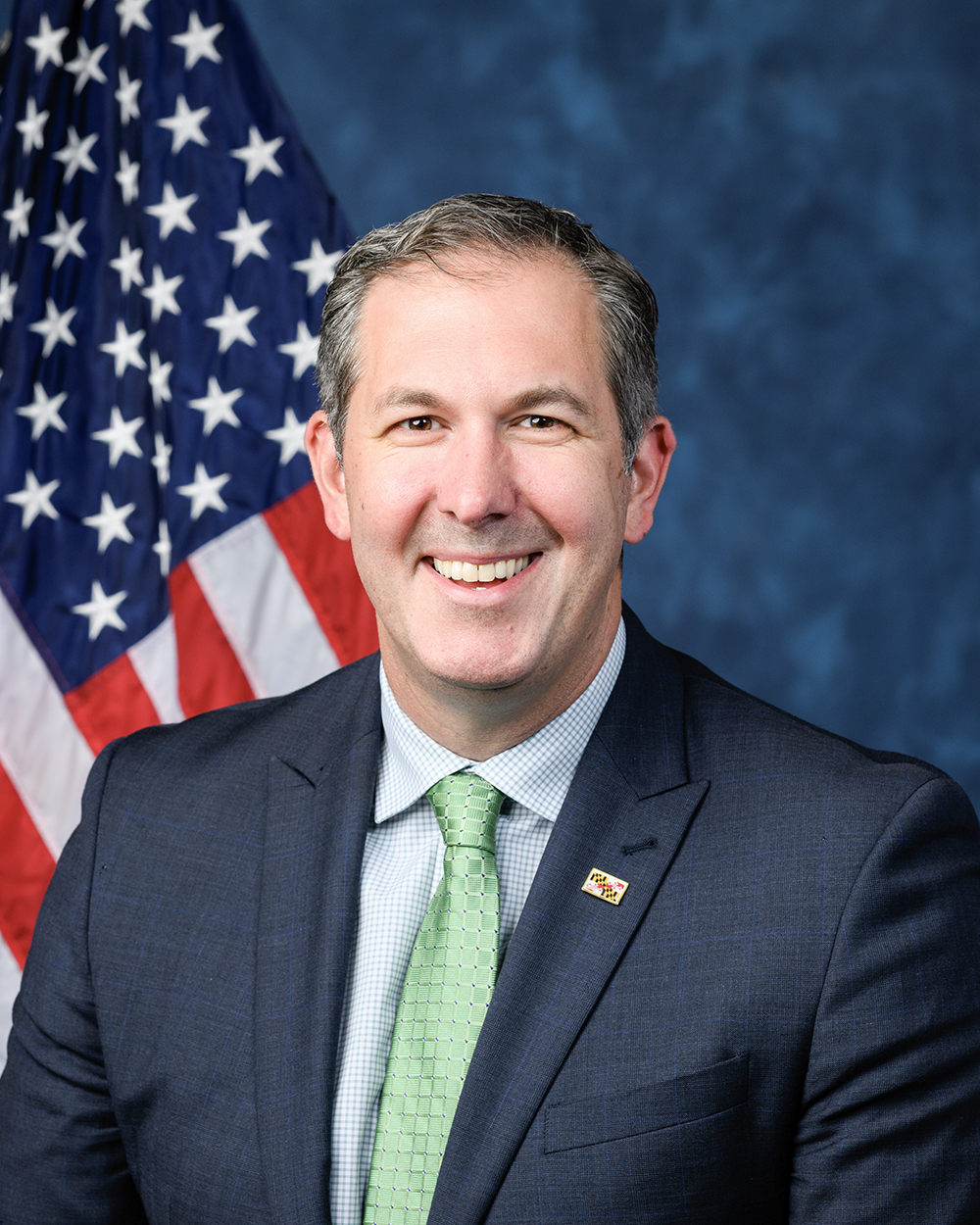
Johnny Olszewski, Jr.
Johnny Olszewski, Jr. House · District 2
D
Mixed
57% 152
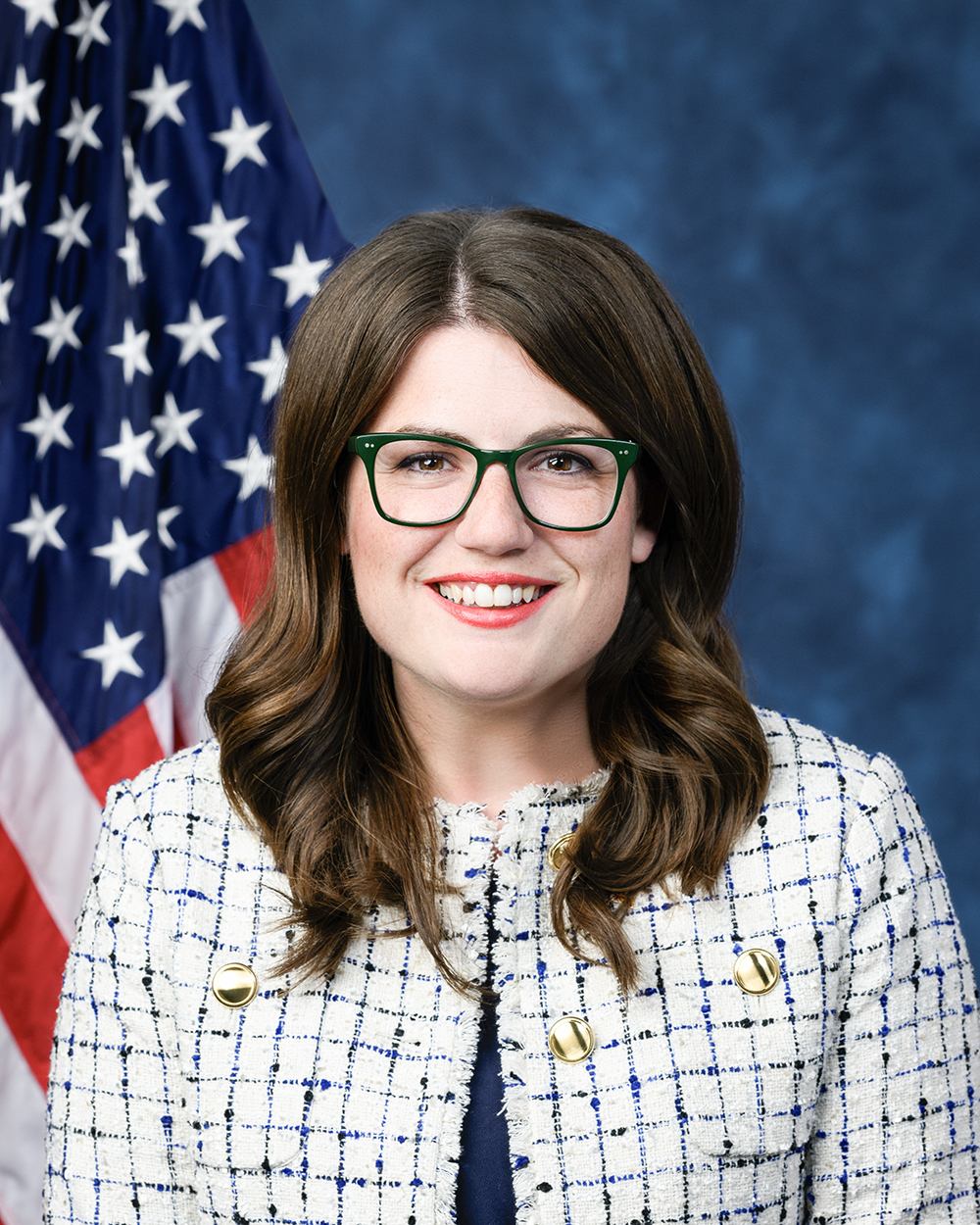
Sarah Elfreth
Sarah Elfreth House · District 3
D
Mixed
57% 154
Steny H. Hoyer
Steny H. Hoyer House · District 5
D
Mixed
57% 151
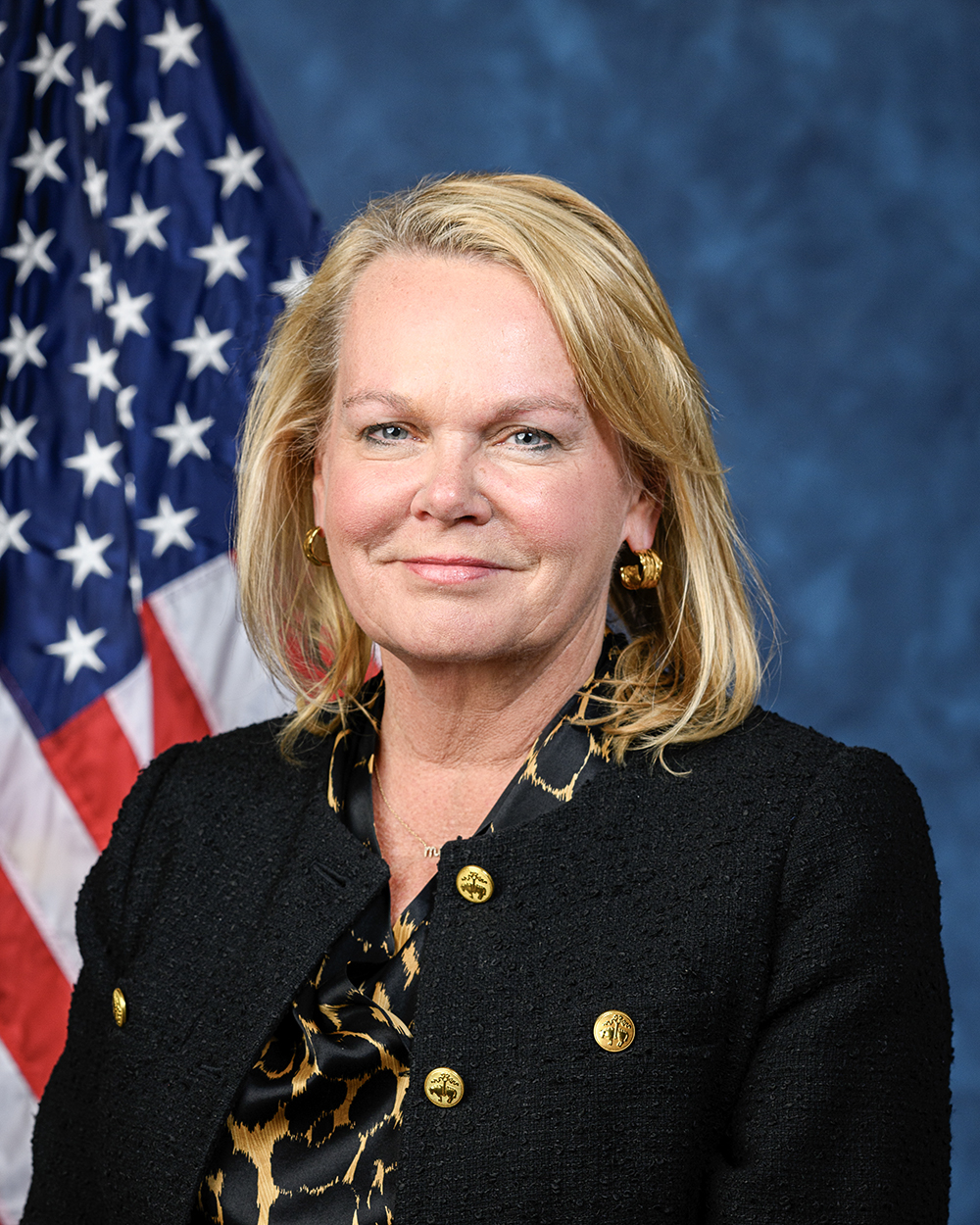
April McClain Delaney
April McClain Delaney House · District 6
D
Mixed
54% 148
Angela D. Alsobrooks
Angela D. Alsobrooks Senate
D
Oppose
23% 171
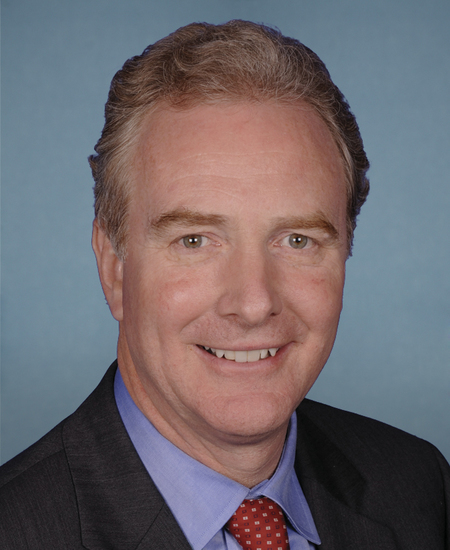
Chris Van Hollen
Chris Van Hollen Senate
D
Oppose
26% 171
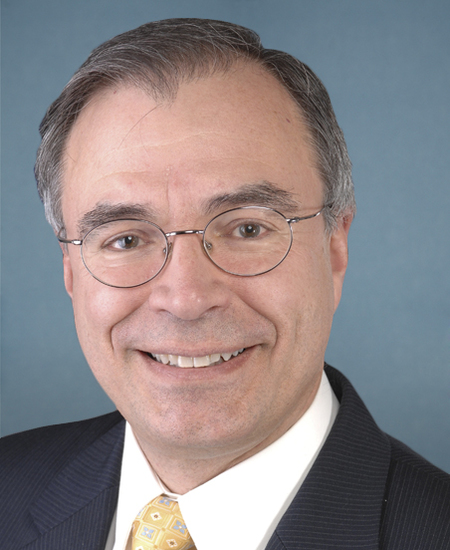
Andy Harris
Andy Harris House · District 1
R
Oppose
34% 148
Showing 1–10 of 28 bills

All criminal justice bills

in committee · United States · Senate Aug 6, 2026

S 5320: Insider Trading Prohibition Act

The Insider Trading Prohibition Act creates a new federal criminal statute that makes it illegal to buy or sell securities while knowingly in possession of material, nonpublic information that was obtained wrongfully. The bill defines wrongful conduct to include actions such as theft, breach of fiduciary duty, or unauthorized access to data, and explicitly covers situations where an individual consciously avoids knowing the details of how the information was acquired. It also prohibits sharing this type of sensitive information if the sender knows it will be used for trading. While the law allows for certain exemptions, including transactions made under pre-existing Rule 10b5-1 plans, it ensures that these new penalties apply in addition to existing legal remedies.
Sub-Topics Drug Policy
in committee · United States · House Aug 6, 2026

HR 10066: Stop Corrupt Trading Act

The Stop Corrupt Trading Act creates a new federal criminal offense prohibiting the President and Vice President from selling or exchanging nonpublic information gained through their official positions for financial benefit. The bill also makes it illegal for any other person to purchase, sell, or exchange such information with these officials or their closely associated entities. Violations can result in criminal penalties including fines of up to double the transaction value and imprisonment for the President or Vice President, while third parties face significant fines and mandatory forfeiture of proceeds derived from the illicit transactions. Additionally, the Attorney General is authorized to pursue civil actions against violators to recover profits and impose further financial penalties, with a specific requirement for the Office of Government Ethics to refer credible evidence of such conduct to the Justice Department.
in committee · United States · House Jun 11, 2026

HR 9298: Stopping Harmful and Outrageous Torts Act

This bill, known as the Stopping Harmful and Outrageous Torts Act, expands legal protections for firearm manufacturers and sellers by strengthening their immunity from civil lawsuits. It requires courts to immediately dismiss any pending cases against these companies that are based on the criminal or unlawful misuse of a gun by a third party, while also clarifying that sellers are not liable for negligence in entrusting products to others. The legislation further restricts who can file such suits by prohibiting foreign governments from bringing these claims and adding a specific exception for victims under the age of 17, though it maintains immunity for cases involving design or manufacturing defects. Additionally, the bill allows companies to move these cases to federal court and grants them the right to appeal dismissal orders immediately, along with the ability to recover legal fees if they win. Finally, it preempts state and local laws that attempt to impose liability on these entities for the same types of misuse-related harms.
Sub-Topics Courts Firearms
in committee · United States · House Jun 8, 2026

HR 9208: HEAR Act of 2026

The HEAR Act of 2026 makes it illegal for most people to import, sell, manufacture, transfer, or possess firearm silencers and mufflers. The law allows exceptions for law enforcement officers, campus security personnel, nuclear facility employees, and licensed manufacturers conducting authorized testing. To help individuals comply with the new restrictions, the bill requires the Attorney General to create a nationwide buy-back program that pays people who surrender their silencers. These changes would take effect 90 days after the bill is signed into law.
in committee · United States · House Jun 3, 2026

HR 9131: Protecting Kids from Creeps Act

The Protecting Kids from Creeps Act prohibits surrogacy agencies, their employees, and sex offenders from participating in surrogacy agreements, directly affecting fertility clinics, staff, and individuals required to register as sex offenders. The bill mandates severe criminal penalties, including fines and prison sentences of at least 10 to 20 years, for knowingly or recklessly facilitating such agreements, while also stripping convicted agencies of their tax-exempt status and eligibility for federal grants. Any surrogacy agreement formed in violation of these rules is declared legally void and unenforceable, meaning it cannot be used to establish parental rights. In cases where a child is born from an illegal agreement, custody decisions will be made solely based on the best interests of the child under the laws of the state where the surrogate lives, ignoring any prior contracts. Additionally, the Attorney General can pursue civil penalties equal to the compensation received or offered for prohibited conduct.
Sub-Topics Corrections
in committee · United States · House Apr 24, 2026

HR 8494: To prohibit the Department of Homeland Security from entering into, modifying, extending, or renewing, any contract or intergovernmental service agreement to establish or operate any new immigration detention model, including the use of warehouses, modular facilities, soft-sided structures, tent systems, and processing centers.

This bill prohibits the Department of Homeland Security from using federal funds to create or expand new immigration detention facilities, including warehouses, tents, and modular structures. It directly affects immigration enforcement agencies by banning the construction, renovation, or operation of non-traditional detention centers and preventing the transfer of funds to such projects. The legislation requires any money previously allocated for these facilities to be redirected toward affordable healthcare and housing services instead. Effective immediately upon enactment, the ban applies to all existing federal funds and prevents the use of current budgets for establishing or operating alternative detention models.
in committee · United States · House Feb 25, 2026

HR 7678: Gun Owner Registration Information Protection Act

HR 7678, the Gun Owner Registration Information Protection Act, prohibits federal funding for state or local databases that track lawfully owned firearms or their owners. The bill allows federal funding for databases recording lost or stolen firearms but bans it for databases listing legal gun ownership. This means states cannot use federal money to create or maintain systems that compile information about legally owned guns. The bill directly affects state and local governments that rely on federal funds for firearm ownership databases.
Sub-Topics Firearms
in committee · United States · House Feb 4, 2026

HR 7346: Drain ICE Act of 2026

HR 7346, the Drain ICE Act of 2026, repeals specific funding provisions (sections 90003 and 100052) from the "One Big Beautiful Bill Act" and cancels all unspent funds allocated under those sections. This bill directly affects ICE’s detention budget by removing existing financial authority for detention operations. It does not change immigration enforcement practices or directly impact individuals; it solely modifies budgetary allocations. The bill focuses on eliminating funding mechanisms, not on policy changes for migrants or enforcement. (Procedural bill; summary limited to 2 sentences as specified.)
in committee · United States · Senate Dec 11, 2025

S 3458: Background Check Completion Act of 2025

This bill amends federal law to remove a specific deadline for completing background checks on firearm purchases. It deletes the requirement that background checks must be completed within 10 business days, as previously established under the Brady Handgun Violence Prevention Act. The change directly affects firearm sellers (such as licensed dealers) who conduct these checks, removing a strict timeline for completing the process. The bill focuses on technical adjustments to existing background check procedures without altering the underlying requirements for the checks themselves.
Sub-Topics Firearms
in committee · United States · House Sep 16, 2025

HR 5415: Nitazene Control Act of 2025

This bill permanently bans nitazenes and all structurally related synthetic opioids under federal law, creating a broad definition that covers numerous chemical variations designed to evade current restrictions. It directly affects anyone manufacturing, distributing, or possessing these substances without authorization, including illicit drug producers and users. The key mechanism is a class-wide Schedule I classification that includes specific structural features (like modified benzimidazole rings) and excludes new analogs from legal loopholes. This approach aims to prevent new nitazene variants from entering the illegal market and addresses their role in overdose deaths. Substances previously temporarily banned under similar rules will now be permanently prohibited as of the bill's enactment.
Sub-Topics Drug Policy
Showing 1 to 10 of 28 bills
1 2 3 Next