

Maddy summaryLD 1484 requires public disclosure of final written disciplinary decisions for Maine public employees when the discipline involves a financial penalty, such as termination, demotion, or unpaid suspension. It mandates that these decisions become public after finalization, stating the conduct and reasoning for the discipline, while keeping the employee's name confidential unless the employee discloses their identity. If an arbitration decision overturns discipline, the final decision is public with the employee's name redacted, and the full record becomes public if the employee reveals their identity. This applies to records under Maine's public employee disciplinary procedures, including those subject to grievance arbitration.
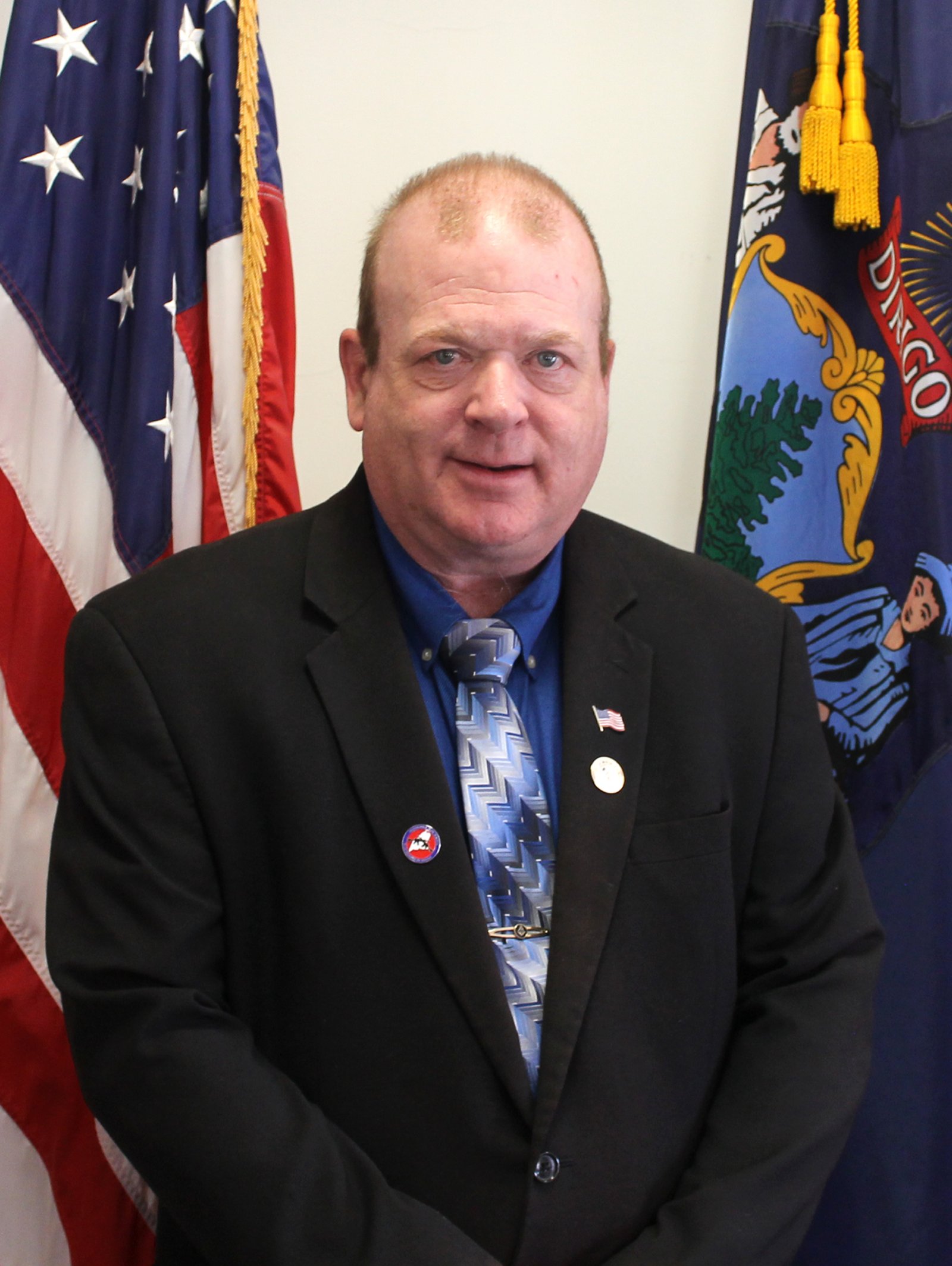
Sen. David Haggan
Sponsored bills
Maddy summaryThis bill requires dam owners seeking removal permits for hydropower dams to first determine the value of electricity the dam could generate and prove they attempted to sell the dam to another owner without success. It directly affects dam owners, developers, and entities applying for removal permits through Maine's Department of Environmental Protection or Land Use Planning Commission. The law mandates two key steps before permit approval: a documented valuation of the dam's energy output and evidence of reasonable efforts to sell the dam. This change aims to preserve hydropower capacity by making dam removal more difficult unless alternative ownership is secured.
Maddy summaryLD 717 amends Maine's criminal code to expand restitution requirements for drug trafficking cases. It removes the previous requirement that courts must find trafficking was "profit-motivated" for the cost of drug analysis to be included in restitution. This change means victims or the government can now recover all drug analysis costs when a defendant is convicted of trafficking scheduled drugs under Chapter 45. The bill directly affects defendants convicted of such trafficking and streamlines restitution for related costs.
Maddy summaryThis joint resolution designates April 17, 2025, as "Access to Justice Day" to commemorate the 30th anniversary of Maine's Justice Action Group. It formally recognizes the group's work - representing judges, legal aid providers, bar associations, and attorneys - and expresses legislative support for civil legal aid and pro bono services. The resolution does not create new laws or funding; it is a ceremonial acknowledgment of efforts to improve access to justice for low-income Mainers. It directly affects Maine's legal community and civil justice advocates by honoring their contributions.
Maddy summaryLD 1156 allows owners of qualifying military surplus vehicles (at least 25 years old, originally military-made, and sold to civilians) to register them in Maine with special plates. To register, owners must provide proof of government title transfer and confirm the vehicle is garaged in Maine. These vehicles may only be used for parades, exhibitions, educational events, club activities, tours, or transportation to/from these activities - not for general driving. The bill also sets a 10,000-pound weight limit and requires standard inspections, with exemptions possible under specific conditions.
Maddy summaryThis bill requires the Health and Environmental Testing Laboratory to provide certain forensic tests without charge when conducted for criminal investigations. It specifically exempts testing for substance use, blood-alcohol levels, drug concentration, and analysis of suspected illegal drugs from fees. As a result, law enforcement agencies will no longer be billed for these services during criminal cases, ensuring immediate cost-free access to critical forensic analysis.
Maddy summaryLD 303 would repeal Maine's law prohibiting unauthorized paramilitary training. This repeal removes the existing legal restriction, meaning conducting such training without authorization would no longer be prohibited under this specific statute. The bill does not alter other laws that may regulate paramilitary activities. As a result, individuals and groups engaging in paramilitary training would no longer be subject to this particular prohibition.
Maddy summaryLD 927 requires all public schools in Maine to employ or accept as a volunteer at least one chaplain to provide support services for students, staff, and parents. Chaplains must be certified by a faith group recognized by the U.S. Department of Defense, pass a criminal background check, and not be listed on a sex offender registry. The bill also grants chaplains legal immunity from civil lawsuits for their actions while providing services, except for malicious or intentionally harmful acts. This applies directly to every school administrative unit in Maine, including public school districts and charter schools.
Maddy summaryLD 314 creates the "Maine Small Dollar Consumer Protection Act" to regulate loans under $2,500 for personal use. It directly affects small-dollar lenders (excluding banks/credit unions) and consumers taking such loans, prohibiting deceptive practices like disguising loans as property sales. Key provisions require lenders to provide a signed loan copy, ban payment method fees, grant a 3-day cancellation right, and restrict loan renewals unless 30% of payments are made or 50% of principal is repaid. The law also prevents multiple open small-dollar loans with different lenders and mandates equal installment payments over 90-365 days.
Maddy summaryThis bill (LD 162) is a simple resolution to rename a specific bridge in Carmel, Maine. It directs the Department of Transportation to officially designate Bridge 2976 on Main Road (currently called the Maine Central Railroad Crossing Bridge) as the "Kevin M. Howell Memorial Bridge." The resolution commemorates Kevin M. Howell and has no policy or financial impact beyond the name change. It is purely a ceremonial act with no direct effect on residents, laws, or government operations.