Issue · Environment

Environment (Coastal & Flood Protection)

Every environment bill, vote, and legislator stance in Maine, automatically classified by Maddy, our AI policy reader.

Total bills
17
132nd Legislature (2025-2026)
Top supporter
Allison Hepler
100% support rate
Top opponent
Jeff Timberlake
0% support rate
Ranked legislators
10
5 support · 5 oppose
Key legislators

Who's moving coastal & flood protection in Maine

Legislators moving coastal & flood protection in Maine
Legislator Party Stance Support rate Votes
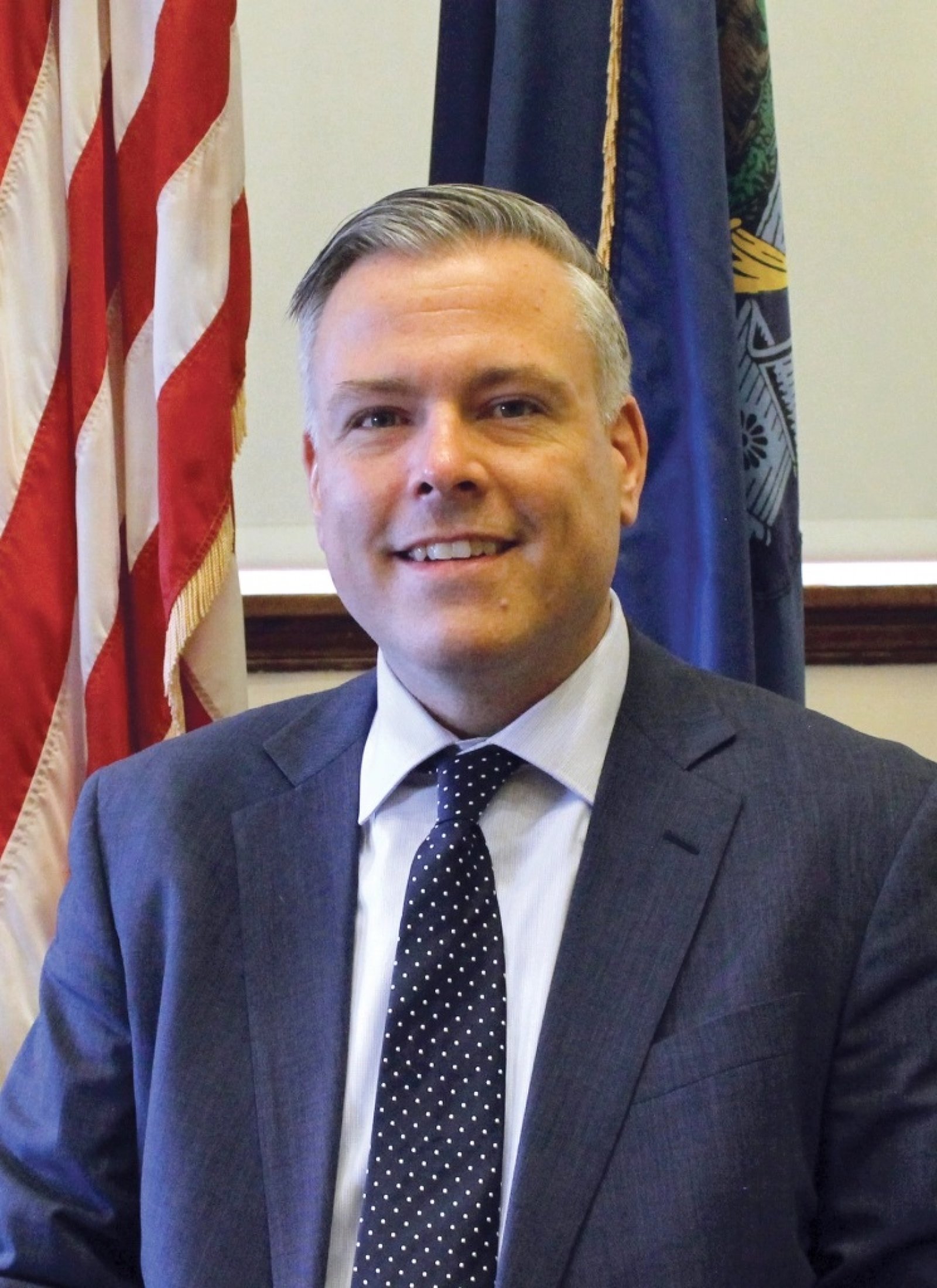
Allison Hepler
Allison Hepler House · District 49
D
Strong +
100% 5
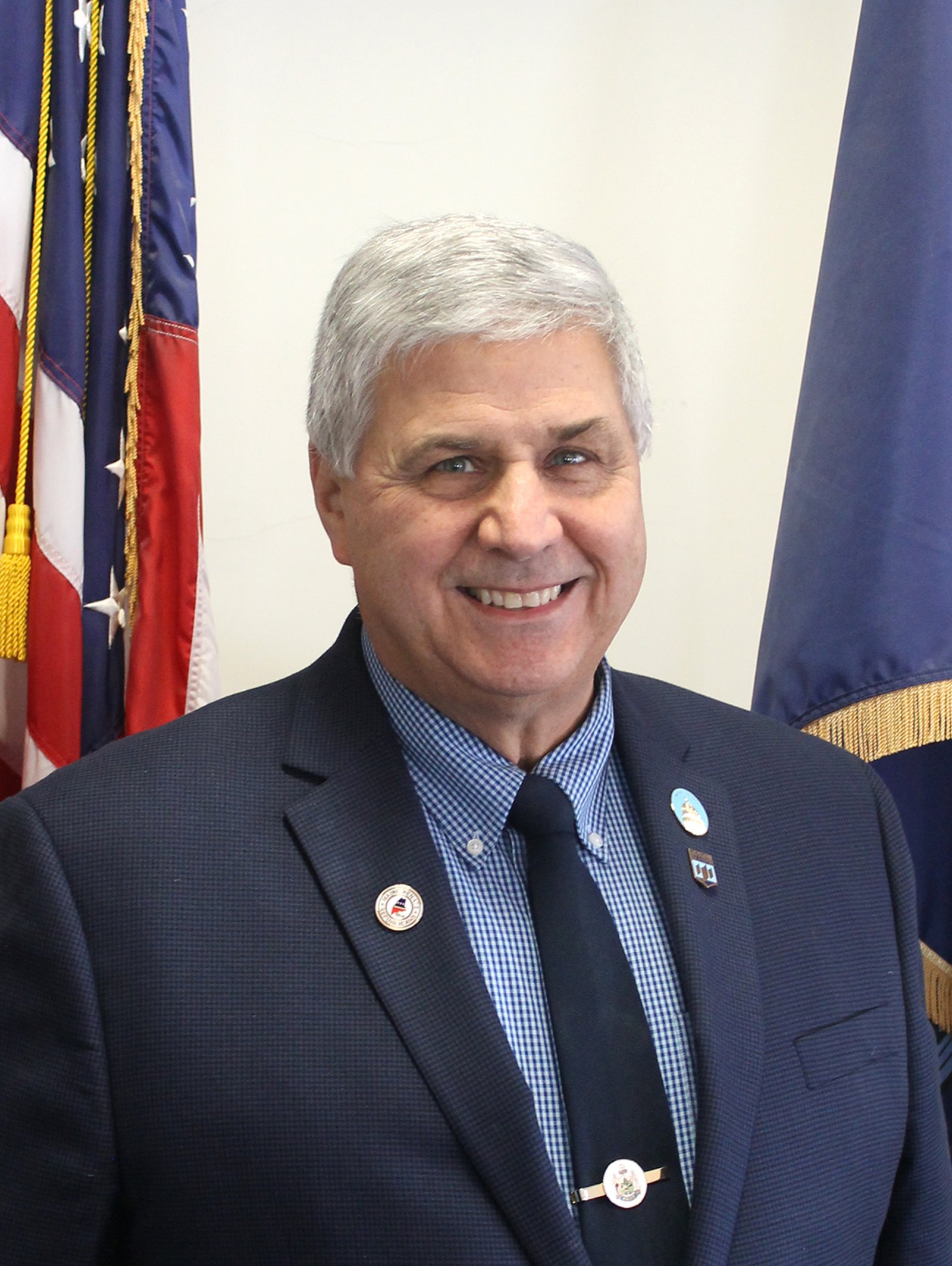
Anne Carney
Anne Carney Senate · District 29
D
Strong +
100% 5
Anne-Marie Mastraccio
Anne-Marie Mastraccio House · District 142
D
Strong +
100% 5
Cameron Reny
Cameron Reny Senate · District 13
D
Strong +
100% 5
Dani O'Halloran
Dani O'Halloran House · District 20
D
Strong +
100% 5
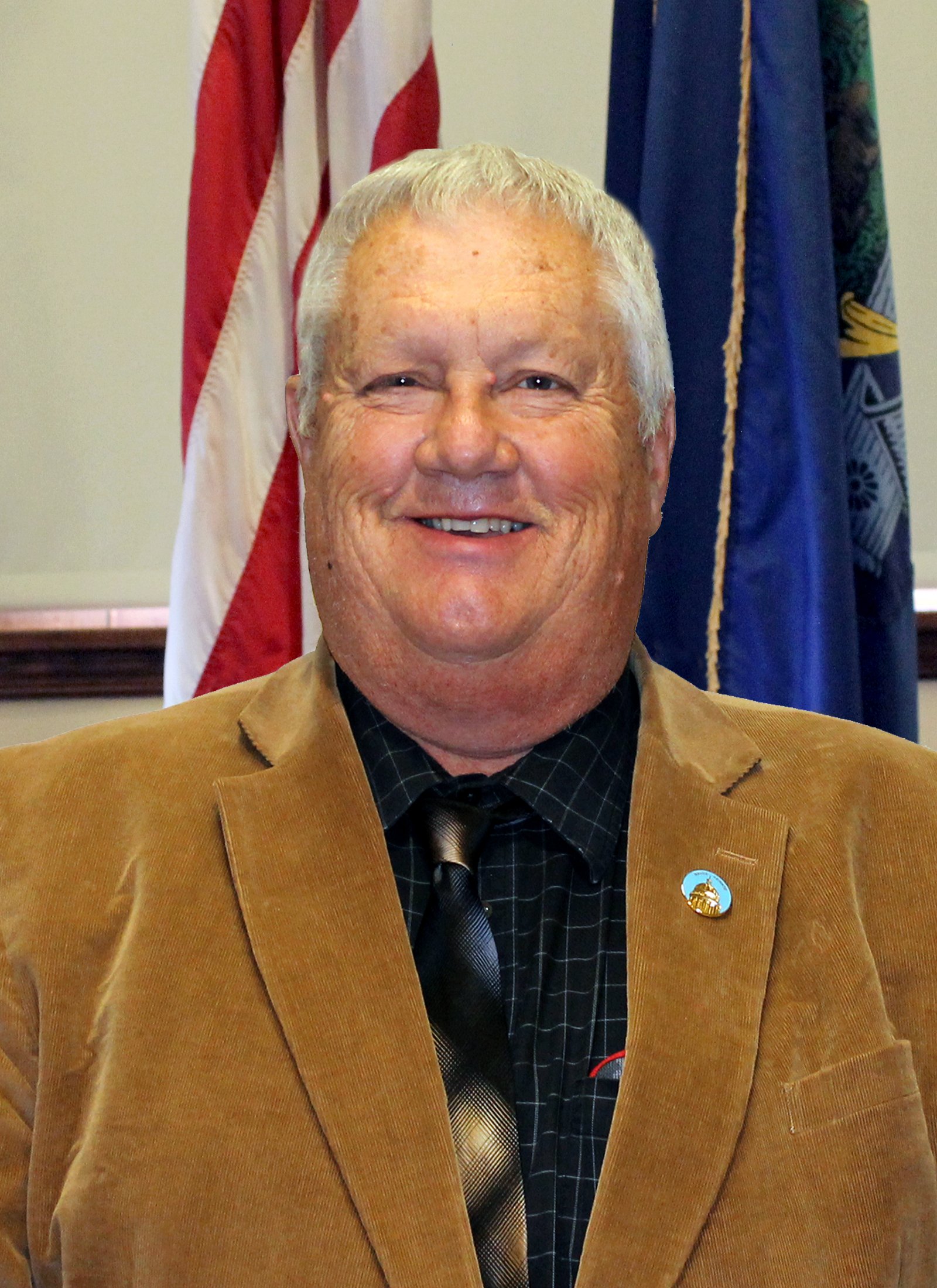
Jeff Timberlake
Jeff Timberlake Senate · District 17
R
Strong −
0% 5
Jim Libby
Jim Libby Senate · District 22
R
Strong −
0% 5
Marianne Moore
Marianne Moore Senate · District 6
R
Strong −
0% 5
Matt Harrington
Matt Harrington Senate · District 33
R
Strong −
0% 5
Scott Cyrway
Scott Cyrway Senate · District 16
R
Strong −
0% 5
Showing 1–10 of 17 bills

All environment bills

signed · Maine · Senate May 30, 2025

LD 758: Resolve, To Update Flood Mapping In The Sandy River Watershed To Federal Emergency Management Agency Standards

This bill directs Maine's Office of Community Affairs to create a pilot project updating flood maps in the Sandy River watershed to meet federal FEMA standards. It requires coordination with state agencies (like Environmental Protection and Emergency Management) and federal partners (FEMA, USGS) to develop new flood modeling. The project must seek federal or nonstate funding to cover costs, and the office will provide technical support to affected communities, riverfront landowners, and local organizations. The primary impact is on communities within the Sandy River watershed, which will receive updated flood risk information.
signed · Maine · Senate May 30, 2025

LD 1340: An Act To Establish The Municipal Stream Crossing Fund

LD 1340 establishes the Municipal Stream Crossing Fund within Maine's Department of Transportation to provide competitive grants for upgrading or replacing culverts on municipal roads. The fund accepts money from bonds, state appropriations, and private contributions to support projects by local governments, conservation commissions, soil and water districts, and nonprofits. Grants are awarded based on how well projects improve flood resilience, restore fish habitat (including sea-run fish and brook trout), and meet engineering standards for stream health. Projects must address high-risk culverts, reduce flood damage, and include cost-sharing from other sources - excluding state roads and full cost coverage.
died · Maine · Senate Apr 29, 2026

LD 457: An Act To Fund Climate Resiliency Projects Related To The Repair Of Campus Infrastructure Used For Active Transportation And Outdoor Recreation

This bill allocates $1 million from the General Fund to support climate resiliency projects at Southern Maine Community College. It targets historic campus structures used by the public for active transportation (like walking/biking paths) and outdoor recreation, focusing on areas vulnerable to sea level rise, flooding, and erosion. The funding is one-time and aims to encourage matching investments from private sources and federal programs. It directly affects the college's non-educational infrastructure that serves community members.
signed · Maine · Senate Apr 16, 2026

LD 1870: An Act To Establish A Climate Superfund Cost Recovery Program To Impose Penalties On Climate Polluters

LD 1870 establishes Maine's Climate Superfund Cost Recovery Program, targeting entities that operated fossil fuel businesses (like coal, oil, and gas extraction/processing) between 1995 and 2024. It requires these responsible parties to pay for climate adaptation projects - such as flood protections, infrastructure upgrades, and health programs addressing heat waves or wildfire smoke - through a "cost recovery demand" mechanism. Funds collected will finance public projects directly addressing climate impacts, including nature-based solutions like restored wetlands and energy-efficient building retrofits. The program applies to corporations, partnerships, and individuals involved in fossil fuel operations during the covered period, with entities in a "controlled group" treated as a single liable party. This creates a state-level mechanism to recover costs for climate-related damages historically linked to fossil fuel use.
failed · Maine · House Mar 20, 2025

LD 235: Resolve, Regarding The Operation And Future Capacity Of State-Owned Landfills

This emergency resolution addresses Maine's urgent waste management crisis by authorizing the Department of Environmental Protection to proceed with expanding the state-owned Juniper Ridge Landfill. It directly affects 159 municipalities that lost access to two major waste disposal facilities (Coastal Resources of Maine and Penobscot Energy Recovery) in 2020 and 2023, respectively. The landfill's partial expansion - approved for 9.3 million cubic yards in 2017 - is now projected to reach capacity by 2028 (five years earlier than planned), necessitating immediate action to avoid service disruptions. The resolution focuses on enabling the expansion process to maintain compliance with state law requiring municipalities to manage solid waste disposal.
failed · Maine · House Apr 17, 2025

LD 735: An Act To Protect Sand Dunes On Sears Island And To Establish Criteria For Legislation Regarding Land Development

LD 735 protects Sears Island's coastal sand dunes by requiring state agencies to obtain certification from an indigenous lands protection committee before authorizing any development on the island. This committee, composed of representatives from five Maine tribes and a gubernatorial appointee, must confirm proposed development areas do not contain sacred indigenous sites. The bill repeals prior laws permitting a wind terminal project and a conservation plan for a specific 10-acre parcel, and establishes a two-thirds vote requirement for any land development legislation conflicting with EPA regulations, with sponsorship limited to legislators from the affected district.
failed · Maine · House May 13, 2025

LD 630: An Act To Implement Portions Of The "Protecting Maine'S Beaches For The Future: 2017 Update" Report Regarding Beach Nourishment And Dune Restoration Projects

LD 630 implements specific recommendations from Maine's 2017 "Protecting Maine's Beaches for the Future" report regarding beach nourishment and dune restoration projects. The bill establishes a standardized process for funding and managing these coastal restoration efforts across Maine's shoreline. It directly affects coastal communities, local governments, and property owners by creating clear guidelines for erosion control and storm damage prevention. This policy change focuses on using the report's science-based approach to protect beaches through concrete, actionable project frameworks.
failed · Maine · House May 13, 2025

LD 1625: An Act Regarding The Preservation Of Working Waterfronts

This bill (LD 1625) clarifies and protects access to working waterfronts for commercial fishing and aquaculture. It amends Maine law to explicitly define "working waterfront property" as municipal or private piers and wharves operated to provide access for commercial fishers, aquaculturists, or their cooperatives. The key provision (Section 2) ensures these facilities are recognized as protected under state conservation efforts. This directly affects commercial fishing operations and aquaculture businesses by safeguarding their physical access points to coastal resources. The bill focuses on preserving existing infrastructure, not creating new programs or funding.
signed · Maine · House Apr 16, 2026

LD 646: Resolve, Establishing The Commission To Study Unregulated Storm Water Pollution

LD 646 establishes a 13-member commission to study unregulated storm water pollution in Maine. The commission, including state agency representatives and environmental/municipal stakeholders, will analyze how storm water affects coastal waters, habitats, and species, identify data gaps, and recommend policies to reduce pollution. It must submit a report with findings and suggested legislation to the Environment Committee by December 3, 2025. This study directly affects Maine's coastal ecosystems and public health by addressing pollution sources like urban development and climate change impacts. The commission's work will inform future state policies but does not enact new laws itself.
failed · Maine · Senate Feb 3, 2026

LD 382: An Act To Establish A System Of Revenue Sharing For The Use And Management Of Coastal Resources

LD 382 would create a system where fees for commercial, industrial, and recreational use of Maine's coastal resources (like fishing, tourism, and port activities) are collected. Revenue from these fees would be split: a portion retained by the state for oversight and enforcement, and the remainder distributed to coastal communities most impacted by resource use. A new revenue sharing board - comprising state agencies, local governments, and stakeholders - would administer the program and manage fee collection and distribution. This directly affects coastal businesses, residents, and municipalities along Maine's shoreline.
Showing 1 to 10 of 17 bills
1 2 Next