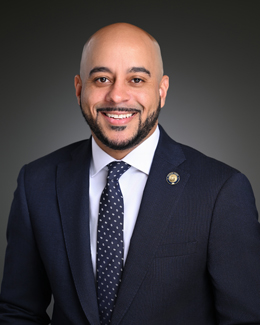
HCR 3 establishes a quarterly assessment on Louisiana hospitals to stabilize funding without using state general funds. It requires hospitals to pay a percentage of their inpatient and outpatient revenue (ranging from 1.38% to 6.74%, with exemptions for rural hospitals and small facilities under 40 beds). The collected funds support Medicaid reimbursement enhancements for hospitals, ensuring payments meet or exceed 2026 rates while aligning with federal CMS guidelines. This directly affects most acute care hospitals in Louisiana, excluding rural and small facilities, and aims to preserve hospital services for all residents.
SB 155 requires Louisiana health insurers to cover medically necessary dental procedures directly related to cancer treatment, such as infection prevention/treatment or addressing tooth decay caused by chemotherapy, radiation, or biological therapy. It specifically covers procedures within 30 days before treatment, during treatment, or as a result of treatment (including obturators for oral cavity defects), but excludes routine preventive care like cleanings. The law applies to all new health insurance plans issued on or after January 1, 2027, with existing plans required to comply by January 1, 2028. It does not apply to short-term policies, limited-benefit plans, or excepted benefits.
SB 295 requires all health insurance plans sold in Louisiana to cover medically necessary treatments for people with acquired brain injuries (ABIs), such as stroke or trauma survivors. It prohibits lifetime or unreasonable annual limits on treatment days/sessions, ensures ABI care isn’t subject to higher deductibles/copays than other benefits, and bans coverage denials based solely on treatment location (e.g., home vs. facility) if clinically appropriate. The bill defines covered services to include cognitive rehabilitation, neurobehavioral therapy, and community reintegration support, and mandates peer-reviewed appeals for denied claims. The bill is pending in the Insurance Committee after being prefilled in February 2026.
HB 430, known as the "MJ 911 Act," mandates that Lafayette Parish employers provide lifelong health insurance coverage for surviving spouses and children (including step- or adopted children) of law enforcement officers or firefighters killed in the line of duty. Specifically, it requires employers to pay for health insurance for surviving spouses for life and for children until age 18 (or until 23 if enrolled in school or disabled). The law applies retroactively to January 1, 2017, for all qualifying families and ensures coverage matches what active members receive. It does not require families to accept the coverage, allowing them to decline it if desired.
HB 833 creates the Sexual Assault Survivor Empowerment Task Force in Louisiana to study and recommend improvements to services for sexual assault survivors. The task force, composed of members from the attorney general's office, sheriffs' association, state legislators, and district attorneys, will evaluate needs like counseling, school/work accommodations, and mandatory training for schools/hospitals/law enforcement. It must submit a report with specific recommendations to the governor and legislature by February 1, 2027, after which the task force will terminate. This bill does not change existing laws but sets up a process to inform future legislation.
HB 656 establishes a pilot program to provide structured programming to specific inmates in Louisiana. It directly affects juvenile offenders and inmates held in parish jails or prisons under the Department of Public Safety and Corrections (DPS&C). The program must include rehabilitation services (education/vocational training), mental health support, and suicide prevention initiatives. Programming will be delivered in-person or via video for accessibility, with DPS&C required to create implementing rules. This bill focuses on expanding access to support services within correctional facilities.
HB 475 requires healthcare providers in Louisiana to obtain a patient's verbal consent before using artificial intelligence to transcribe medical appointments or treatments. If a patient declines consent, providers must conduct the appointment without AI transcription. This bill directly affects licensed healthcare professionals and their patients by establishing a clear consent process for AI-assisted documentation. The key provision mandates that providers cannot use AI transcription tools without explicit patient agreement, with an opt-out option ensuring no forced use of the technology. The legislation focuses solely on the consent requirement for AI transcription, not general recording practices.
This resolution urges the Louisiana Department of Health and health insurers to increase reimbursement rates for Behavioral Health Crisis Centers. It directly affects the state's health agencies and insurance companies by calling for higher payments to these crisis care facilities. The bill does not change any laws or create new programs but serves as a formal recommendation to improve funding for mental health crisis services.
This Senate Concurrent Resolution asks the Louisiana Department of Health and commercial health insurers to raise payment rates for behavioral health crisis centers that hold a specific crisis receiving center license. The bill highlights that current Medicaid reimbursement of $549.40 per day is insufficient to cover the actual cost of providing 24-hour care with the required staffing levels, which an independent analysis estimates at $1,163 per day. By urging these payors to adjust rates to reflect true operational costs, the resolution aims to support facilities that offer short-term stabilization services to individuals in mental health crises. This change is intended to help ensure these centers can remain financially viable and continue serving the community, as inadequate funding has currently limited the number of such providers in the state.
This Louisiana concurrent resolution asks the U.S. Congress and the Trump administration to pass the Major Richard Star Act, which aims to help combat-wounded service members who have been medically retired. The bill seeks to remove a current rule that reduces military retirement pay by the same amount as disability compensation from the Veterans Affairs, allowing veterans to keep both benefits in full. Although the resolution expresses strong support for this change, it is a formal request rather than a law that directly alters federal policy itself.