Issue · Energy

Energy

Every energy bill, vote, and legislator stance in Louisiana, automatically classified by Maddy, our AI policy reader.

Total bills
29
119th Congress
Top supporter
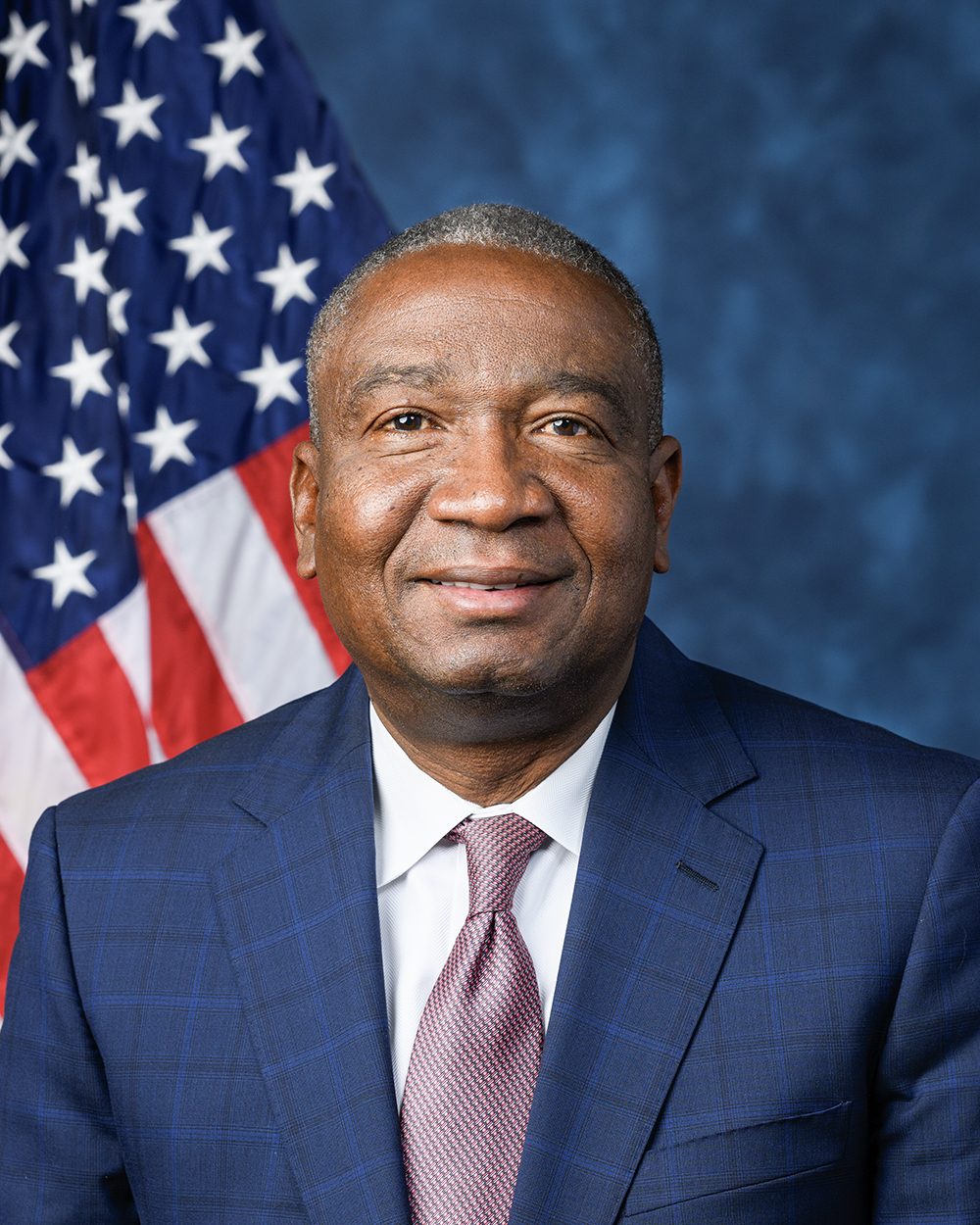
Cleo Fields
69% support rate
Top opponent
Mike Johnson
29% support rate
Ranked legislators
7
2 support · 5 oppose
Key legislators

Who's moving energy in Louisiana

Legislators moving energy in Louisiana
Legislator Party Stance Support rate Votes
Cleo Fields
Cleo Fields House · District 6
D
Support
69% 247
Troy A. Carter
Troy A. Carter House · District 2
D
Support
69% 260
Mike Johnson
Mike Johnson House · District 4
R
Oppose
29% 194
Julia Letlow
Julia Letlow House · District 5
R
Oppose
29% 250
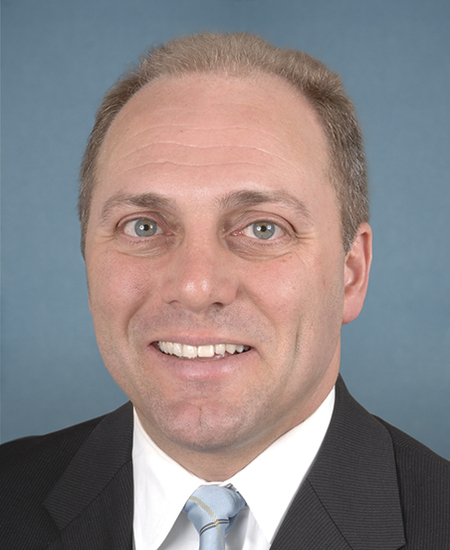
Steve Scalise
Steve Scalise House · District 1
R
Oppose
31% 254
Bill Cassidy
Bill Cassidy Senate
R
Oppose
32% 207
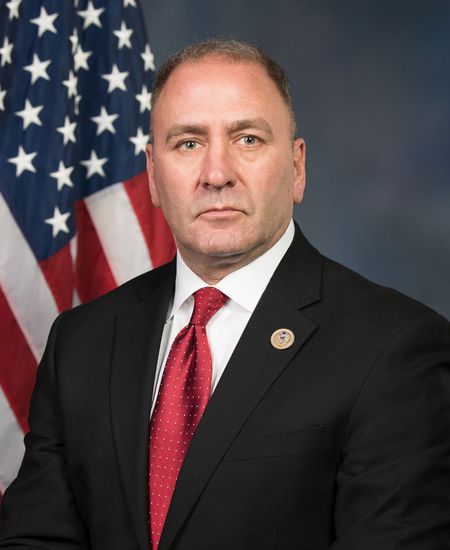
Clay Higgins
Clay Higgins House · District 3
R
Oppose
32% 257
Showing 1–10 of 29 bills

All energy bills

in committee · United States · Senate Jul 16, 2026

S 5025: Lindsey O. Graham Sanctioning Russia Act of 2026

This bill establishes a comprehensive sanctions framework targeting the Russian government and its affiliated entities in response to ongoing military actions. It authorizes the President to block assets, revoke visas, and prohibit financial transactions for Russian officials, military leaders, and foreign persons supporting Russia's defense industry or undermining Ukraine. The legislation also bans U.S. investments in Russian energy sectors, prohibits the purchase of Russian sovereign debt, and imposes high tariffs on Russian imports while restricting crude oil purchases by specific foreign nations. Additionally, the bill prevents Russian companies from listing on U.S. stock exchanges and includes mechanisms for terminating sanctions only if Russia signs a peace agreement accepted by Ukraine and ceases hostilities.
Sub-Topics Oil & Gas
in committee · United States · House Jun 25, 2026

HR 9453: End EPA Abuse Act of 2026

The End EPA Abuse Act of 2026 amends the Clean Air Act to limit the Environmental Protection Agency's authority to create new regulations. Specifically, it prohibits the EPA Administrator from issuing rules that restrict the sale or use of internal combustion engine vehicles, force power plants to switch fuel sources, or reduce the reliability of the electric grid. The bill also bars the agency from mandating technologies that are commercially unavailable, too expensive without subsidies, or technically unfeasible due to geographic or infrastructure limitations. Additionally, the law prevents the EPA from expanding its regulatory power beyond what Congress originally intended. These changes directly affect the EPA's ability to enforce environmental standards and impact industries such as automotive manufacturing and energy production.
in committee · United States · House Jun 11, 2025

HR 3930: Roadless Area Conservation Act of 2025

This bill codifies existing protections for designated roadless areas within the National Forest System by prohibiting new road construction, road reconstruction, and logging in these areas. It directly affects National Forest lands already identified as "inventoried roadless areas" under the current Roadless Rule, which covers roughly 58 million acres. The key mechanism requires the Secretary of Agriculture to enforce these prohibitions, maintaining current protections without expanding restrictions to other lands or altering existing multiple-use management. The bill does not create new protected areas but legally solidifies the existing regulatory framework to preserve ecological and recreational values.
in committee · United States · Senate Jan 30, 2025

SJRES 9: A joint resolution providing for congressional disapproval under chapter 8 of title 5, United States Code, of the rule submitted by the Commodity Futures Trading Commission relating to "Commission Guidance Regarding the Listing of Voluntary Carbon Credit Derivative Contracts".

This joint resolution (SJRES 9) seeks congressional disapproval of a Commodity Futures Trading Commission (CFTC) rule issued in October 2024. The rule provided guidance for listing "voluntary carbon credit derivative contracts" on exchanges, which would have governed how these carbon credit trading contracts could be traded. If passed, the resolution would block this guidance from taking effect, meaning the CFTC's rule would have no legal force. This action directly affects the CFTC and market participants involved in carbon credit derivative contracts, preventing the new regulatory framework from being implemented.
in committee · United States · Senate May 15, 2025

S 1779: LOCOMOTIVES Act

This bill (S 1779, the LOCOMOTIVES Act) amends the Clean Air Act to prevent states from setting their own emissions standards for locomotives and engines used in locomotives. It specifically removes exemptions for smaller nonroad engines and clarifies that all locomotives engaged in commercial railroad transportation (as defined by federal law) fall under federal emissions regulations, not state rules. The key provision eliminates state authority over emissions standards for locomotives used in commerce, making federal EPA regulations the exclusive standard. This directly affects railroad companies operating locomotives and the Environmental Protection Agency, which would enforce the uniform federal standards.
Sub-Topics Air Quality
in committee · United States · Senate Mar 14, 2025

S 1072: Stop CARB Act of 2025

This bill repeals federal waivers that allow California to set its own vehicle and engine emission standards under the Clean Air Act. It directly affects California's Air Resources Board (CARB), prohibiting the state from adopting or enforcing standards for nonroad engines (like construction equipment, farm vehicles, and locomotives) or new motor vehicles. Key provisions include removing federal authorization for California's vehicle standards (Section 177) and invalidating all existing waivers for state emission rules. The bill would eliminate California's ability to enforce its own emission requirements for these categories, shifting authority entirely to federal standards.
Sub-Topics Air Quality
in committee · United States · Senate Sep 9, 2025

S 2742: Protect Consumers from Reallocation Costs Act of 2025

This bill prohibits the Environmental Protection Agency from reallocating renewable fuel requirements from small refineries that have extended exemptions under the Clean Air Act. It directly affects small refineries with extended exemptions and the companies that would otherwise cover their renewable fuel obligations. The key provision requires the EPA to include gasoline or diesel refined by these exempt small refineries in the total fuel volume calculation for the year, preventing other entities from bearing their share of the renewable fuel mandate. This changes how renewable fuel obligations are calculated to protect consumers from potential cost increases tied to reallocated requirements.
Sub-Topics Air Quality
in committee · United States · Senate Jan 23, 2025

S 224: Promoting Domestic Energy Production Act

This bill modifies tax code provisions to benefit energy producers. It allows oil and gas companies to deduct intangible drilling and development costs more favorably when calculating taxable income, by disregarding depreciation and depletion expenses already reflected on their financial statements. The change applies to taxable years beginning after December 31, 2025. This directly affects domestic energy producers who incur these specific drilling costs.
Sub-Topics Oil & Gas
in committee · United States · Senate Mar 12, 2025

S 995: Choice in Automobile Retail Sales Act of 2025

This bill repeals the EPA's 2024 emissions standards for light- and medium-duty vehicles and amends the Clean Air Act to prevent future regulations from mandating specific technologies or limiting new vehicle availability based on engine type. It directly affects the EPA's regulatory authority and vehicle manufacturers by blocking technology mandates and restrictions on engine types in new vehicles. Key provisions require the EPA to revise regulations within 24 months to align with these changes, ensuring no federal rules limit vehicle choices based on engine technology. The bill's title is misleading, as it does not address automobile retail sales or consumer choice at dealerships.
in committee · United States · Senate Apr 4, 2025

SJRES 45: A joint resolution providing for congressional disapproval under chapter 8 of title 5, United States Code, of the rule submitted by the Environmental Protection Agency relating to "California State Motor Vehicle and Engine Pollution Control Standards; Advanced Clean Cars II; Waiver of Preemption; Notice of Decision".

Senate Joint Resolution 45 seeks to block an Environmental Protection Agency (EPA) rule that would have allowed California to enforce its Advanced Clean Cars II vehicle emission standards. The resolution uses the congressional disapproval process under federal law to declare the EPA rule invalid, preventing California from implementing its stricter pollution controls for cars and trucks. If passed, this resolution would stop the rule from taking effect, meaning California could not override federal vehicle emission standards with its own requirements. The bill directly affects California's ability to set state-level environmental regulations for motor vehicles and the EPA's regulatory authority.
Showing 1 to 10 of 29 bills
1 2 3 Next