

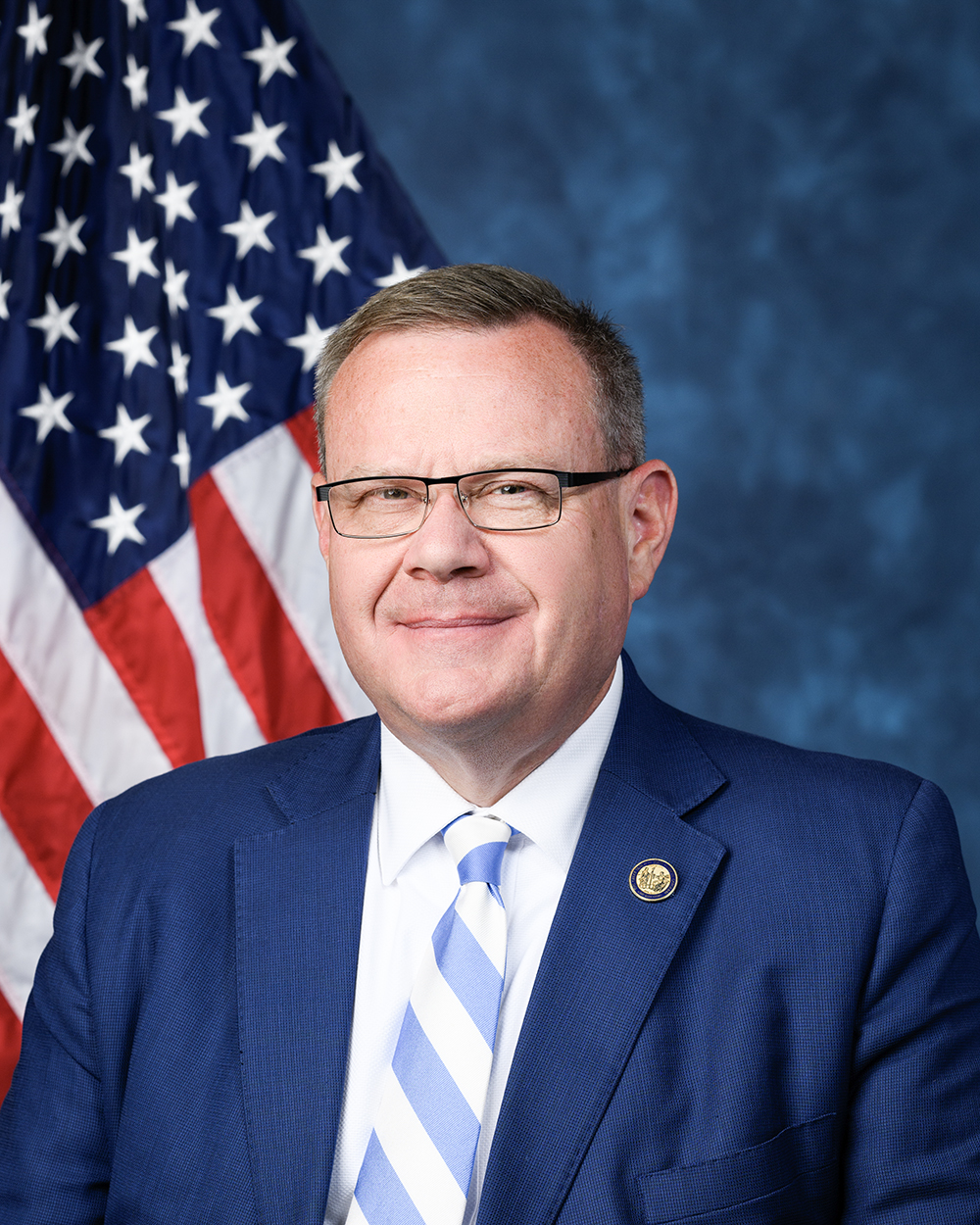
Photo of Tim Moore
R United States House · District 14 · North Carolina On the 2026 ballot

Rep. Tim Moore

Compare
Total votes
650
all sessions
Attendance
100%
2 missed
Higher than 90% of chamber peers
With party
98%
of cast votes
Higher than 77% of chamber peers
Bipartisan score
1%
crosses aisle rarely
Lower than 78% of chamber peers
Sponsored
328
bills & resolutions
Near the chamber average
Committees
5
assignments
328 bills and resolutions

Sponsored bills

Total
328
Primary
31
Co-sponsor
297
This page
328
matching current filters
Co-sponsor HR 309
In committee · Kentucky House · Co-sponsor
National Law Enforcement Officers Remembrance, Support, and Community Outreach Act

National Law Enforcement Officers Remembrance, Support and Community Outreach Act. [ sic ] This bill temporarily directs the Department of the Interior to award a grant to the National Law Enforcement Officers Memorial Fund for the expenses associated with operating and enhancing the community outreach, public education, and officer safety and wellness programs of the National Law Enforcement Museum.

In committee Aug 20, 2026 1 co-sponsor
Primary HRES 1482
In committee · Kentucky House · Lead sponsor
Recognizing 100 years of American Legion Baseball and the American Legion World Series, and honoring the city of Shelby, North Carolina, for serving as the permanent home of the American Legion World Series.

Maddy summaryThis House resolution commemorates the 100th anniversary of American Legion Baseball and its World Series, which began in 1926. It specifically honors the city of Shelby, North Carolina, for serving as the permanent host location for the national championship tournament since 2011. The bill recognizes the contributions of local volunteers, coaches, and residents who have supported the event at Veterans Field at Keeter Stadium. Additionally, it reaffirms the program's role in fostering sportsmanship and patriotism among young athletes while honoring military service.

In committee Aug 13, 2026 0 co-sponsors
Primary HR 9992
In committee · Kentucky House · Lead sponsor
HUD Disaster Information Improvement Act

Maddy summaryThe HUD Disaster Information Improvement Act requires the Secretary of Housing and Urban Development to enter into a data-sharing agreement with the Federal Emergency Management Agency and the Small Business Administration. This collaboration aims to improve efficiency and reduce waste, fraud, and abuse in federal disaster recovery programs by allowing these agencies to exchange relevant relief data. Additionally, the bill mandates that the HUD Secretary submit a report to Congress within 180 days of enactment detailing opportunities for further cooperation among these three organizations.

In committee Jul 30, 2026 0 co-sponsors
Co-sponsor HR 8205
Passed · Kentucky House · Co-sponsor
Accelerating Access to Critical Therapies for ALS Reauthorization Act of 2026

Maddy summaryThis bill reauthorizes and expands the Accelerating Access to Critical Therapies for ALS Act through 2031, extending funding for research into treatments for amyotrophic lateral sclerosis. It requires drug manufacturers to share interim clinical trial data with the FDA to better assess the progress of investigational drugs and clarifies that phase 3 clinical trial definitions include combined phase 2/3 trials and planned trials not yet enrolling participants. The legislation also mandates the FDA to publish an updated five-year action plan for ALS and other rare neurodegenerative diseases, including resource needs and coordination strategies with broader disease communities. Additionally, the bill requires the Government Accountability Office to submit a report on the program's implementation four years after enactment.

Passed Jul 23, 2026 1 co-sponsor
Co-sponsor HR 9830
In committee · Kentucky House · Co-sponsor
Lawful Hemp Protection Act

Maddy summaryThe Lawful Hemp Protection Act establishes a comprehensive federal regulatory framework for hemp-derived cannabinoid products to ensure safety, quality, and consumer protection. It defines specific hemp products, prohibits the sale of items containing artificially modified cannabinoids like HHC or THCP, and mandates strict labeling requirements including THC milligram counts and health warnings. The bill creates a new tax on these products, requires manufacturers and wholesalers to obtain federal permits, and enforces a three-tiered distribution system for hemp beverages to prevent market consolidation. Additionally, it allows Medicare Advantage plans to cover these products for chronically ill patients and directs funds toward impaired driving enforcement and consumer safety oversight.

In committee Jul 22, 2026 1 co-sponsor
Co-sponsor HR 6955
Passed · Kentucky House · Co-sponsor
Main Street Capital Access Act

Maddy summaryThe Main Street Capital Access Act reduces regulatory burdens for smaller banks, particularly those with less than $10 billion in assets. Key provisions include a 3-year phase-in period for new banks to meet capital requirements, lower leverage ratio requirements for rural banks (7.5% for the first 2 years), and a 30-day review process for business plan deviations. The bill also establishes an Office of Independent Examination Review, sets specific timelines for examinations (270 days) and reports (90 days), and creates a "least cost exception" for bank resolutions to prevent excessive concentration of the banking system. These changes aim to promote new bank formation, improve regulatory efficiency, and support community banking while maintaining financial stability.

Passed Jul 22, 2026 1 co-sponsor
Co-sponsor HR 7970
In committee · Kentucky House · Co-sponsor
STOP Nitazenes Act

Maddy summaryThis bill, known as the STOP Nitazenes Act, directs the federal government to permanently classify nitazenes and related synthetic opioids as Schedule I controlled substances, placing them in the same legal category as heroin and fentanyl. The legislation specifically targets a broad range of chemical compounds, including etonitazene and other variants, by defining them as 2-benzylbenzimidazole opioids and requiring the Attorney General to publish a list of qualifying substances. Under the bill, any nitazene substance temporarily scheduled under emergency provisions would be made permanently scheduled upon enactment, ensuring long-term federal control. The law also mandates that the Attorney General issue implementing rules within one year, allowing for immediate interim enforcement while providing opportunities for public comment before final regulations are established.

In committee Jul 21, 2026 1 co-sponsor
Co-sponsor HR 6213
In committee · Kentucky House · Co-sponsor
Heat Workforce Standards Act of 2025

Maddy summaryHR 6213, the Heat Workforce Standards Act of 2025, prohibits the U.S. Department of Labor from finalizing, implementing, or enforcing OSHA's proposed "Heat Injury and Illness Prevention" standard (published August 30, 2024). This bill directly blocks the specific regulatory proposal targeting heat safety in both outdoor and indoor work settings. It does not create new requirements or affect workers; it solely prevents the implementation of the existing OSHA proposal. The bill is procedural, focusing on halting a regulatory action rather than establishing new policy.

In committee Jul 21, 2026 1 co-sponsor
Co-sponsor HR 2004
In committee · Kentucky House · Co-sponsor
Tyler’s Law

Maddy summaryHR 2004, titled "Tyler’s Law," requires the Secretary of Health and Human Services to study how often hospital emergency departments test for fentanyl during overdose cases (beyond standard drug tests), including associated costs, patient benefits/risks, and impacts on privacy and patient-physician relationships. The study must be completed within one year of the bill's enactment. Based on the study results, the Secretary must issue guidance within six months on whether emergency departments should routinely test for fentanyl, how to inform clinicians about test contents, and how such testing may affect future overdose risks and health outcomes. This bill directly affects hospital emergency departments and patients experiencing overdoses by shaping future testing protocols.

In committee Jul 21, 2026 1 co-sponsor
Co-sponsor HR 1266
In committee · Kentucky House · Co-sponsor
Combating Illicit Xylazine Act

Maddy summaryHR 1266, the Combating Illicit Xylazine Act, adds xylazine - a veterinary sedative increasingly found in illicit drug mixtures - to Schedule III of the Controlled Substances Act, regulating its use and trafficking. It directly affects veterinarians, animal owners, and manufacturers by allowing xylazine to be legally dispensed for animal use under specific veterinary prescriptions, while prohibiting non-veterinary human use. The bill includes transition periods (60 days for practitioners, 1 year for labeling) to ease compliance for manufacturers and practitioners, and requires the DEA and FDA to expedite necessary applications. It also mandates two congressional reports on xylazine's illicit use and trafficking patterns, and directs the Sentencing Commission to review penalties for offenses involving xylazine.

In committee Jul 21, 2026 1 co-sponsor
Showing 11 to 20 of 328 bills